
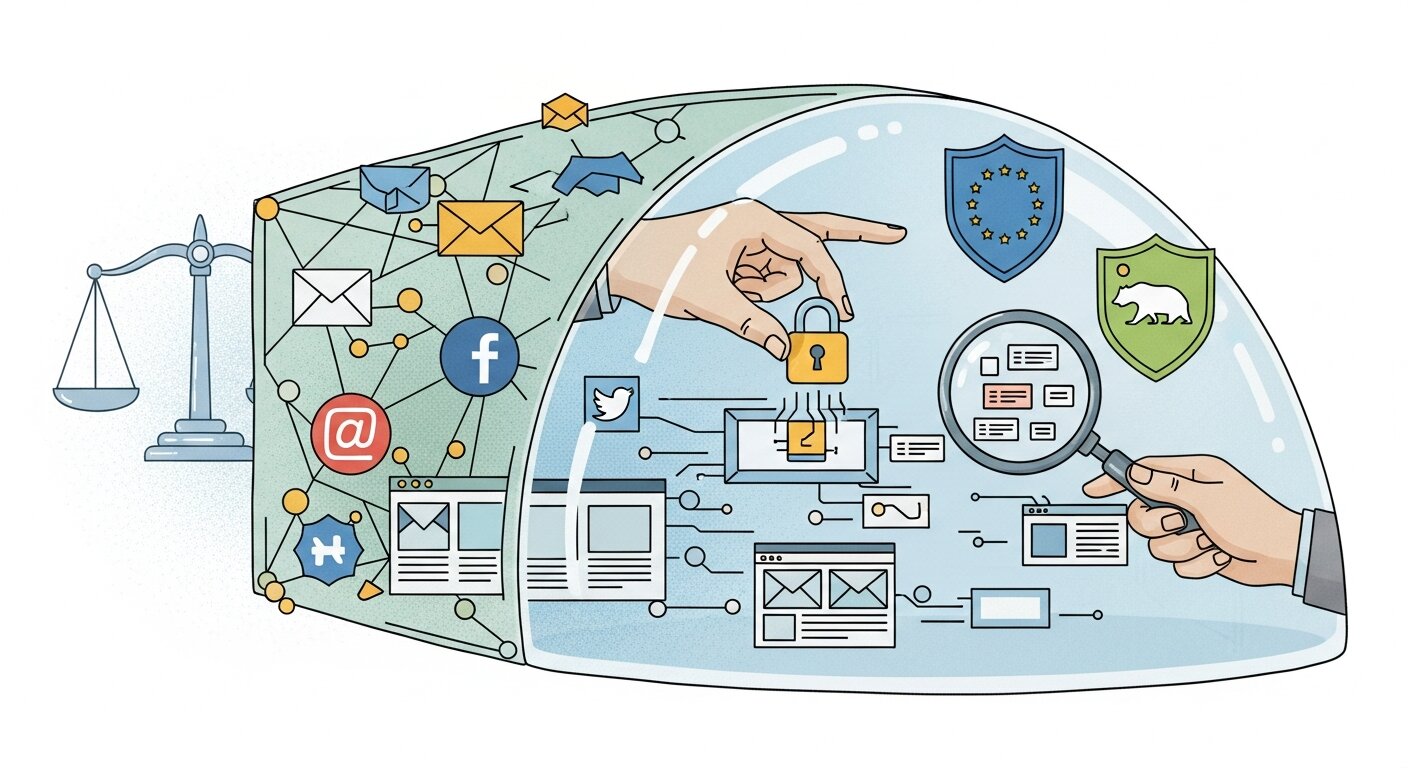
Inbound marketing privacy is essential for building trust, ensuring compliance, and delivering personalized experiences responsibly. By embedding transparency, consent management, and data protection into campaigns, marketers can strengthen customer relationships. Privacy-conscious strategies not only reduce risk but also create a sustainable competitive advantage.
As data privacy becomes a top priority for consumers and regulators alike, marketers must understand how to implement privacy-compliant strategies without sacrificing personalization or engagement. Inbound marketing privacy isn’t just about following laws—it’s about building trust, fostering loyalty, and creating meaningful experiences that respect consumer rights. This FAQ section addresses common questions marketers encounter when navigating GDPR, CCPA, and other data protection regulations, providing actionable insights for maintaining compliance while enhancing your inbound marketing strategy.
Understanding the Key Regulations
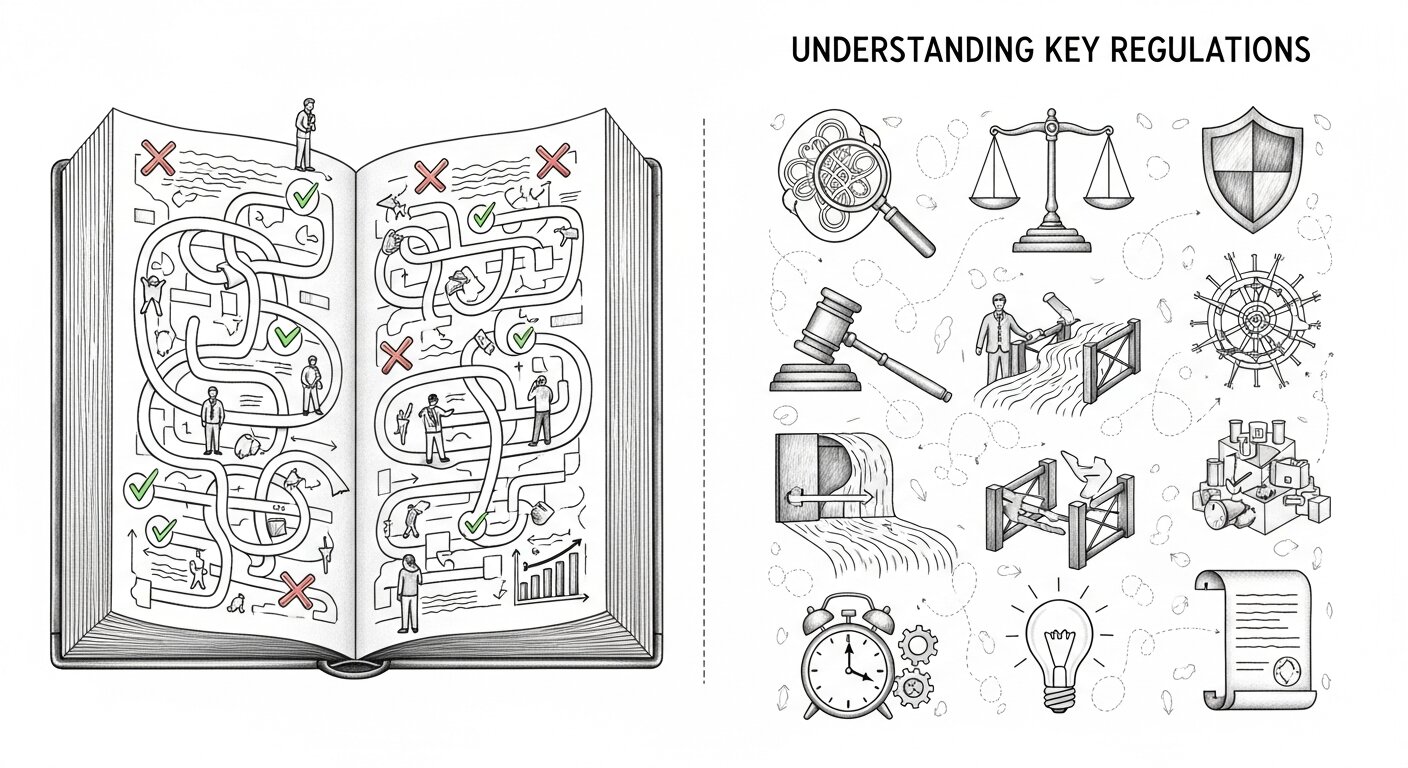 The General Data Protection Regulation (GDPR) transformed how businesses approach data privacy when it took effect in 2018. This comprehensive European framework established strict guidelines for collecting, storing, and processing personal information. Its influence extends far beyond Europe, as any business serving European customers must comply with its provisions. Understanding GDPR is now a fundamental part of implementing effective inbound marketing strategies that prioritize data protection.
The California Consumer Privacy Act (CCPA) followed, bringing similar protections to California residents. It gives consumers the right to know what personal information businesses collect and how it’s used. They can also request deletion of their data and opt out of its sale to third parties. Compliance with CCPA is essential for businesses that want to maintain trust while executing inbound marketing campaigns.
Other regions have implemented their own frameworks. Brazil’s Lei Geral de Proteção de Dados (LGPD), Canada’s Personal Information Protection and Electronic Documents Act (PIPEDA), and various state-level regulations within the US create a patchwork of requirements that marketers must navigate carefully. For marketers, integrating these frameworks into their workflows is a crucial step toward effective inbound marketing privacy management.
Impact on Inbound Marketing Strategies
Inbound marketing typically relies on building relationships through valuable content and personalized experiences. These approaches require data—and that’s where inbound marketing privacy becomes critical. Without adhering to privacy standards, campaigns risk losing credibility and even facing legal penalties.
Email marketing faces particularly stringent requirements. Under GDPR, you must obtain explicit consent before adding someone to your mailing list. Pre-checked boxes and assumed consent no longer suffice. You must clearly explain how you’ll use their information and provide easy unsubscribe options. Prioritizing inbound marketing privacy here ensures that email campaigns are both compliant and trusted by your audience.
Content personalization also requires careful consideration. While tailoring content based on user preferences can enhance engagement, transparency about data collection and usage is essential. Visitors should understand what information you’re gathering and why. By integrating inbound marketing privacy into content strategies, marketers can deliver personalized experiences without compromising trust.
Lead generation forms need thoughtful design. Only collect information that’s necessary for your stated purpose. Each field should serve a specific function, and you should explain how you’ll use the data provided. Implementing inbound marketing privacy measures at the form level not only ensures compliance but also demonstrates respect for users’ data, reinforcing your brand’s credibility.
At Inbound Marketo, we’ve found that emphasizing transparency and privacy strengthens customer relationships rather than limiting marketing effectiveness. Businesses that embed inbound marketing privacy principles into their workflows see higher engagement rates, better lead quality, and improved brand loyalty. By making privacy a core part of your inbound marketing approach, you build trust while still leveraging data to deliver meaningful, personalized experiences. Learn more about best practices for data privacy in marketing to strengthen your strategies.
Building Compliance Into Your Marketing Technology
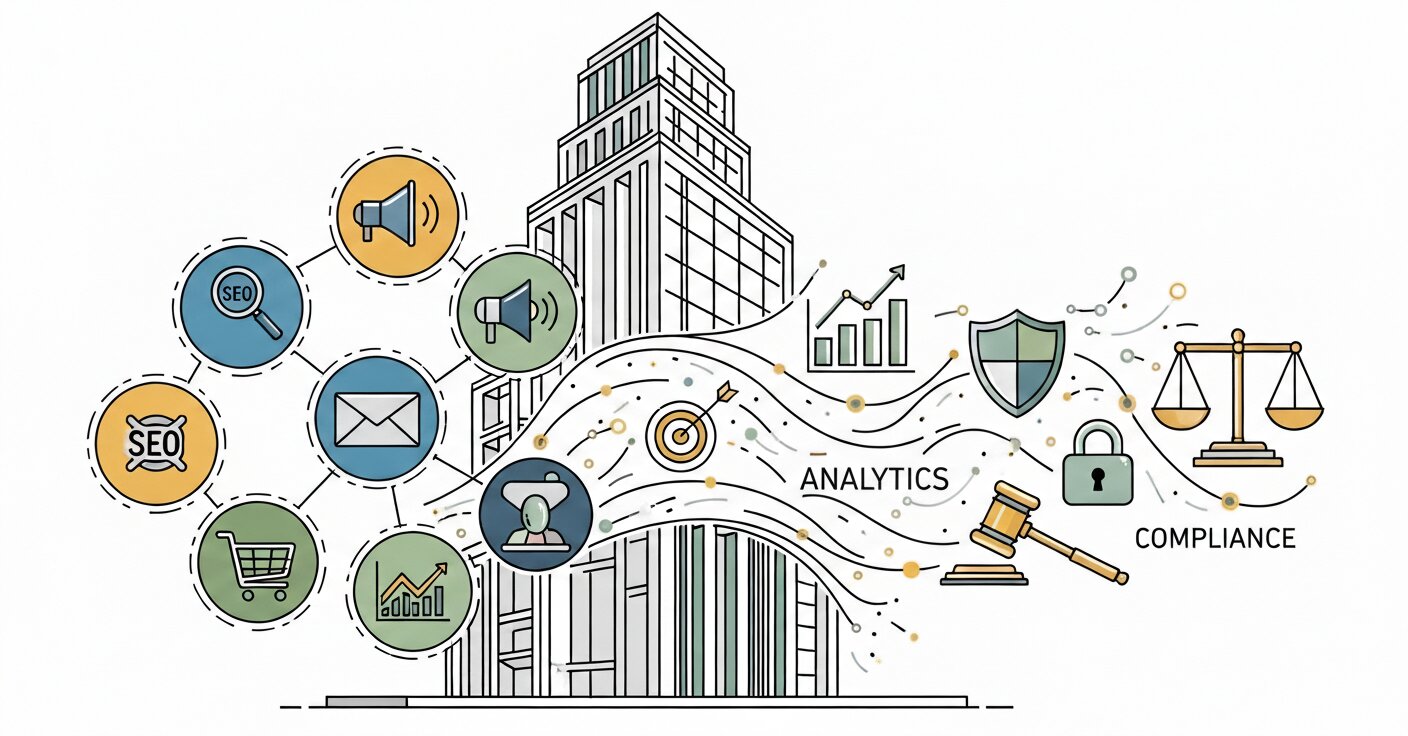
Your marketing technology stack plays a critical role in maintaining compliance and protecting customer data. Customer relationship management (CRM) systems must support data subject requests, including access to stored information and the right to be forgotten. Proper configuration ensures that your inbound marketing privacy standards are consistently applied across all customer interactions. Explore leading CRM solutions for privacy compliance to optimize your workflow.
Marketing automation platforms also require features that respect user preferences and consent status. This includes the ability to track consent, manage communication preferences, and automatically exclude certain users from campaigns based on their privacy choices. By integrating inbound marketing privacy principles into automation workflows, businesses can ensure campaigns are both compliant and personalized, building trust with every interaction. Check out tools for managing marketing consent for practical implementation.
Analytics tools need careful consideration as well. IP anonymization, cookie consent mechanisms, and data retention policies help ensure measurement activities respect privacy regulations. Implementing these features often requires technical adjustments to your existing setup, but doing so is essential for maintaining inbound marketing privacy across digital channels. You can review guidelines for GDPR-compliant analytics to enhance your processes.
Creating a Privacy-Forward Consent Strategy

Effective consent management goes beyond mere legal compliance—it strengthens relationships and builds trust with your audience. Clear, straightforward language helps visitors understand what they are agreeing to. Avoid legal jargon that might confuse rather than clarify, as transparency is central to inbound marketing privacy. Learn about progressive consent models to improve opt-in rates and user experience.
Layered consent approaches work well for many organizations. This strategy provides essential information upfront, with options to learn more for those seeking additional details. By embedding inbound marketing privacy principles into consent flows, businesses can balance transparency with a seamless user experience. Reference examples of layered consent strategies for inspiration.
Progressive consent models can further enhance the customer journey. Instead of requesting all permissions at once, ask for specific consent as it becomes relevant. This approach not only respects user agency but also improves opt-in rates, reinforcing inbound marketing privacy as a core component of your engagement strategy. Explore progressive consent tools to implement this effectively.
Transparency as a Competitive Advantage

Forward-thinking marketers now recognize that privacy compliance is more than a legal obligation—it is an opportunity to differentiate your brand. Emphasizing inbound marketing privacy in every interaction signals to customers that their data is valued and protected. Learn more about how transparency builds customer trust.
Privacy policies written in plain language demonstrate your commitment to treating customers fairly. While legal requirements must be met, focusing on clarity rather than complexity shows respect for your audience and enhances inbound marketing privacy credibility. See examples of user-friendly privacy policies for guidance.
Resource centers dedicated to privacy questions provide additional reassurance. These educational resources not only help customers navigate data policies but also establish your brand as trustworthy and knowledgeable in an increasingly complex digital landscape. Integrating inbound marketing privacy education into these resources strengthens your overall marketing approach, fostering long-term loyalty and customer confidence. Check out privacy resource centers for examples of high-quality, educational content.
Preparing for Evolving Regulations
The regulatory landscape for data protection continues to evolve rapidly. New state and national regulations emerge regularly, and existing frameworks frequently undergo revisions. For marketers, staying up to date requires ongoing attention, flexibility, and a proactive approach to compliance. Embedding inbound marketing privacy principles into daily operations ensures that your marketing efforts remain aligned with both current and future legal requirements.
Several emerging trends are likely to shape the future of data privacy regulations. Enhanced transparency around artificial intelligence and algorithmic decision-making is gaining traction among regulators worldwide. Stricter rules for handling children’s data are also appearing in many jurisdictions. Staying ahead of these trends is crucial for maintaining robust inbound marketing privacy standards, especially as consumer expectations for transparency continue to rise.
Data localization requirements present another important consideration. Some regions now require certain types of data to be stored within specific geographic boundaries, adding complexity to global marketing operations. Incorporating inbound marketing privacy into your data storage and processing strategies can help ensure that your campaigns comply with these regional mandates while continuing to deliver personalized experiences.
Practical Compliance Steps for Marketers
Conducting regular privacy audits is a foundational practice for maintaining inbound marketing privacy. By reviewing your data collection processes, storage practices, and third-party partnerships, you can identify potential compliance gaps before they become issues. These audits should include all touchpoints where customer data is collected or processed, from lead generation forms to analytics platforms.
Documenting your compliance efforts thoroughly is essential. Accurate records of consent, policy updates, staff training, and privacy procedures provide evidence of your commitment to inbound marketing privacy and can prove invaluable during regulatory inquiries. This documentation also helps create a culture of accountability within your organization.
Developing cross-functional privacy teams strengthens your overall approach. Marketing, legal, IT, and customer service teams all play critical roles in ensuring compliance. Regular communication and coordination between these departments promote consistent inbound marketing privacy practices and enable proactive problem-solving.
Data Minimization as a Best Practice
Collecting only essential information is a key strategy for reducing both compliance risks and data security vulnerabilities. Before adding any new field to a form or campaign, ask whether the information serves a justifiable purpose and provides value to your customers. This approach supports strong inbound marketing privacy practices by limiting unnecessary data exposure.
Regular data cleaning is another essential practice. Removing outdated information, respecting retention limits, and promptly honoring deletion requests helps maintain compliance while improving marketing effectiveness. By prioritizing inbound marketing privacy in your data hygiene practices, you also enhance database quality and customer trust. For guidance, check best practices for data retention and cleaning.
Using anonymous or aggregated data can often fulfill marketing objectives without triggering certain regulatory obligations. Consider whether personally identifiable information is truly necessary for your analytical goals. Leveraging this approach allows marketers to maintain robust inbound marketing privacy standards while still gaining valuable insights. Learn more about anonymized data in marketing for safe analytics.
By integrating these strategies, organizations can establish a strong foundation for ongoing compliance while demonstrating a commitment to inbound marketing privacy that resonates with customers, builds trust, and supports sustainable growth. Explore global privacy frameworks to ensure alignment with international regulations.
Building a Culture of Privacy
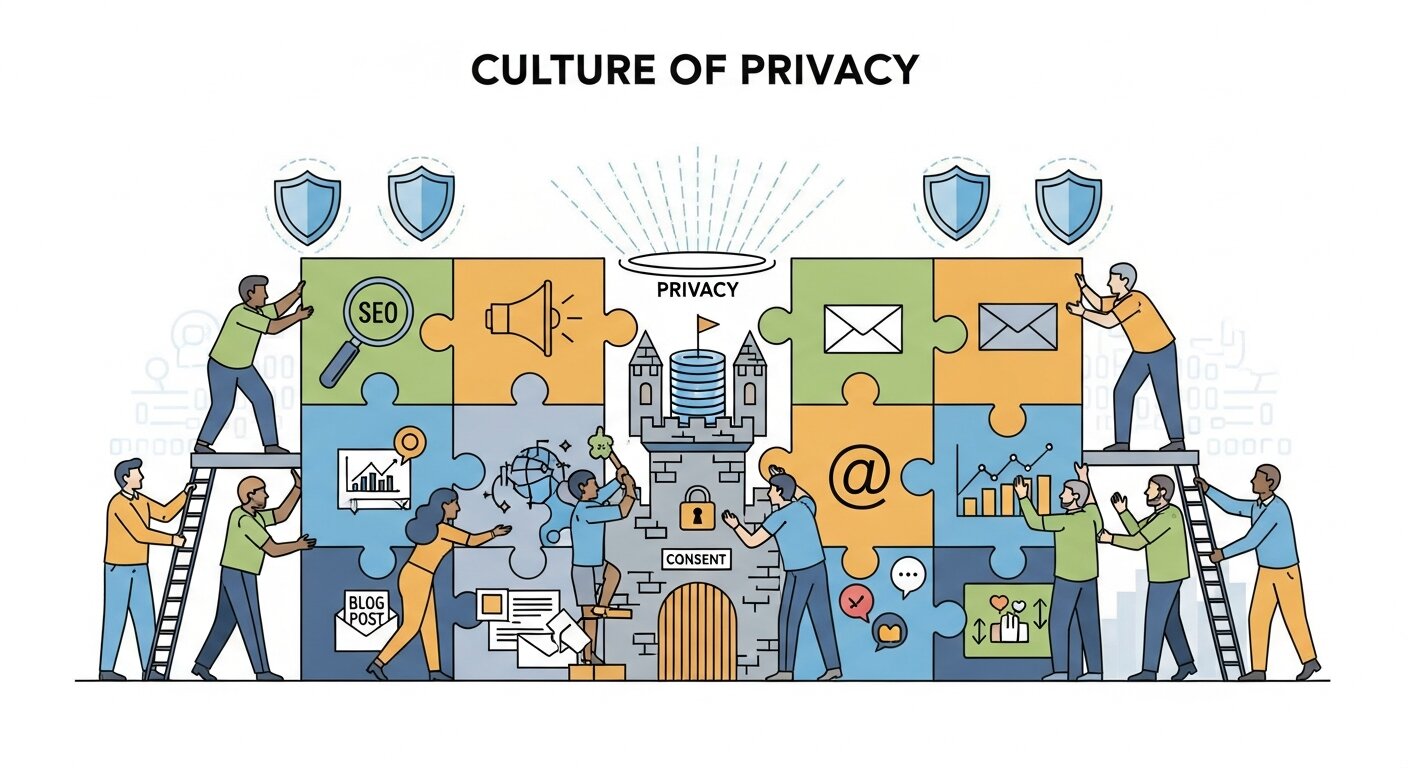 Privacy compliance ultimately depends on people, not just policies. Regular training ensures your team understands current requirements and recognizes potential issues before they escalate. Refer to privacy training resources to keep your team updated.
Establishing clear procedures for handling customer privacy requests ensures consistent, compliant responses. Define who handles these requests and how quickly they should be addressed. Testing these processes identifies weaknesses before they affect customers. For implementation guidance, see data subject rights management.
Privacy impact assessments should become standard practice when launching new marketing initiatives. These structured evaluations help identify and mitigate potential privacy concerns during planning stages rather than after implementation. Check how to conduct privacy impact assessments for detailed steps.
The Future of Privacy-Conscious Marketing
The marketers who thrive in today’s evolving regulatory landscape are those who embrace privacy not as a burden, but as a core principle embedded in every aspect of their strategy. Treating data protection as a fundamental value rather than a regulatory hurdle allows businesses to design systems, processes, and campaigns that inherently respect consumer rights. This mindset transforms compliance from a reactive requirement into a proactive competitive advantage, setting brands apart in a market where trust is increasingly valuable.
Building privacy-forward systems involves more than simply following legal mandates. It requires a deliberate alignment of technology, policies, and marketing practices. Customer data should be handled with transparency, security, and integrity at every touchpoint—from website interactions and email campaigns to analytics and CRM systems. When these principles are consistently applied, inbound marketing efforts not only remain compliant but also foster stronger connections with audiences who feel respected and protected. Learn more about privacy-focused marketing technologyto strengthen your stack.
Trust is becoming the currency of modern marketing. As consumers grow more aware of their data rights and more selective about the brands they engage with, companies that demonstrate respect for privacy are more likely to earn loyalty and advocacy. Brands that prioritize privacy-conscious messaging, provide clear opt-in and consent options, and transparently explain data usage are positioned to cultivate deeper, longer-lasting relationships. Read consumer privacy expectationsto understand evolving behaviors.
Achieving success in this environment requires balancing personalization with privacy. While tailored experiences can enhance engagement and conversion, marketers must carefully consider how much data is collected, how it is used, and how to communicate these practices to users. Thoughtful strategy ensures that personalization does not compromise trust. Technology plays a key role here: tools that manage consent, anonymize data, and track privacy preferences allow marketers to deliver customized experiences while respecting regulatory requirements and user expectations. Explore consent management tools for practical solutions.
Ongoing attention to evolving regulations and best practices is equally critical. Privacy laws are dynamic, and emerging frameworks may introduce new obligations around AI transparency, data localization, or children’s data protection. Successful marketers integrate monitoring and auditing processes to stay ahead of changes, maintaining compliance while continuously refining their inbound marketing strategies. Learn about upcoming global privacy trends to stay proactive.
Ultimately, data privacy compliance in inbound marketing goes beyond avoiding fines or penalties. It represents an opportunity to build stronger, more trusting relationships with your audience. By prioritizing transparency, safeguarding personal information, and embedding privacy into the customer experience, marketers can create meaningful engagement that drives both brand loyalty and long-term business success. See examples of privacy-first marketing for inspiration.
Frequently asked questions
What is inbound marketing privacy?
Inbound marketing privacy refers to the practices and policies marketers use to collect, store, and use consumer data responsibly while maintaining compliance with regulations like GDPR, CCPA, and other privacy laws. It ensures transparency and protects consumer rights during marketing campaigns.
Why is inbound marketing privacy important for businesses?
It builds trust with your audience, reduces legal risks, and enhances brand reputation. Brands that prioritize privacy tend to earn higher engagement, loyalty, and advocacy because consumers feel their personal data is respected and protected.
How does GDPR affect inbound marketing strategies?
GDPR requires explicit consent for collecting personal data, clear explanations of data usage, and easy opt-out mechanisms. Marketers must implement privacy-forward systems and consent management to ensure campaigns remain compliant.
What about CCPA compliance for marketers?
CCPA gives California residents the right to know, delete, or opt out of the sale of their personal information. Marketers must provide clear opt-in options, track consent preferences, and honor deletion requests to maintain inbound marketing privacy.
How can I balance personalization with privacy?
Collect only necessary data, anonymize sensitive information when possible, and use transparent communication about how data is used. Progressive consent models help gather information over time without compromising trust.
Which tools help maintain inbound marketing privacy?
CRM systems, marketing automation platforms, and analytics tools with consent management, data anonymization, and tracking features are essential. These tools ensure that user preferences are respected across all marketing channels.
What are best practices for lead generation forms?
Only collect essential information, clearly state how the data will be used, and provide simple opt-in/opt-out options. This reinforces transparency and aligns with inbound marketing privacy principles.
How often should privacy audits be conducted?
Regular audits—ideally quarterly or semi-annually—help identify potential compliance gaps, evaluate data storage practices, and review third-party relationships. Consistent monitoring strengthens inbound marketing privacy adherence.
How does data minimization help compliance?
Collecting only necessary data reduces legal risk and security exposure. Data minimization, combined with proper retention schedules and deletion processes, ensures campaigns respect consumer privacy while maintaining effectiveness.
How can privacy be a competitive advantage?
Brands that demonstrate respect for consumer data through transparency, consent management, and clear communication differentiate themselves in the market. Prioritizing inbound marketing privacy fosters trust, loyalty, and long-term engagement.