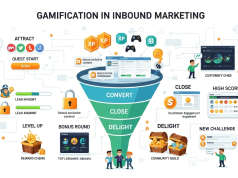

Inbound marketing works by creating helpful content, optimizing for search, and leveraging channels like email, social media, and paid campaigns to reach and nurture prospects. A well-planned inbound digital strategy tracks performance across attraction, conversion, closing, and delight stages, allowing businesses to optimize campaigns, generate qualified leads, and build lasting customer loyalty while maximizing ROI.
Inbound marketing is a customer-focused approach that attracts, engages, and converts prospects by providing valuable content and experiences. Unlike traditional advertising, it builds trust through education and meaningful interactions, helping businesses generate high-quality leads, improve conversion rates, and foster long-term customer relationships. Implementing an effective inbound digital strategy ensures your content reaches the right audience across multiple channels, guiding them from awareness to advocacy.
What is Inbound Marketing?

Inbound marketing transforms how businesses attract, engage, and retain customers by creating valuable content that naturally draws people in. Unlike traditional advertising, which interrupts and demands attention, this approach builds trust through education, engagement, and genuine connection with your audience. A strong Inbound Marketing Strategy ensures that every touchpoint is optimized to pull prospects in rather than push messages at them.
Marketing has fundamentally changed. Gone are the days when businesses could simply broadcast messages and expect results. Today’s consumers research independently, skip ads, and trust peer recommendations over brand claims. They control when and how they engage with companies, making traditional outbound tactics increasingly ineffective. Implementing an effective Inbound Marketing Strategy allows businesses to meet their audience where they are and provide solutions that resonate.
This shift has given rise to inbound marketing—a methodology centered on earning attention rather than buying it. By providing helpful content that addresses real problems, businesses can attract qualified prospects who are already interested in what they offer. The result? Higher-quality leads, better conversion rates, and stronger customer relationships that drive sustainable growth. A well-executed Inbound Marketing Strategy integrates content creation, lead nurturing, and personalized engagement to maximize these benefits.
This guide explains what inbound marketing is, why it matters, and how to implement an effective inbound digital strategy that delivers measurable results for your business. Following a structured Inbound Marketing Strategy ensures that each marketing action supports overall business goals and drives measurable ROI.
Understanding Inbound Marketing
Inbound marketing is a customer-centric methodology that attracts customers by creating valuable content marketing resources and experiences tailored to their needs. Rather than pushing products through interruptive advertising, inbound marketing pulls prospects in by solving their problems and answering their questions. Every element of a strong Inbound Marketing Strategy focuses on relevance, quality, and timing to keep prospects engaged throughout the journey.
The concept was popularized by HubSpot inbound methodology in the mid-2000s as a response to the declining effectiveness of traditional advertising. As consumers gained more control over their buying journey, businesses needed a new approach—one that respected customer autonomy while still generating leads and sales. Implementing a robust Inbound Marketing Strategy today involves aligning SEO Strategies, content, and engagement tactics to the modern buyer’s expectations.
At its core, inbound marketing operates on a simple principle: be helpful. When you consistently provide value without asking for anything in return, you build trust. That trust eventually converts into business relationships. A thoughtful Inbound Marketing Strategy guides this process step by step, ensuring prospects feel supported and informed at every interaction.
Implementing an inbound digital strategy ensures that each touchpoint aligns with the buyer’s journey framework, allowing you to attract, nurture, and convert prospects more efficiently. This alignment is the backbone of a sustainable Inbound Marketing Strategy, enabling businesses to scale engagement without sacrificing personalization or effectiveness.
The Inbound Marketing Methodology

The inbound approach follows a four-stage framework that guides prospects from awareness to advocacy:
Attract
Draw in the right people with SEO-optimized blog content that addresses their needs. This stage focuses on becoming discoverable when potential customers search for solutions to their problems. A solid Inbound Marketing Strategy prioritizes content creation that aligns with what your audience is actively seeking.
Convert
Transform visitors into leads by offering premium content in exchange for contact information. This might include ebooks, webinars, templates, or tools that provide deeper value. Integrating these tactics into your Inbound Marketing Strategy ensures leads enter your funnel with high intent.
Close
Nurture leads with targeted content and personalized communication until they are ready to buy. This stage uses email marketing automation, lead scoring, and sales alignment to move prospects through the decision process. A successful Inbound Marketing Strategy coordinates marketing and sales touchpoints to maximize conversions.
Delight
Continue providing value after the sale to turn customers into promoters. Exceptional post-purchase experiences create advocates who refer others and make repeat purchases. Your Inbound Marketing Strategy should include post-sale engagement programs to foster long-term loyalty.
Why Inbound Marketing is Important for Modern Businesses
Consumer behavior has evolved dramatically. People now conduct extensive online research before purchase decisions. They compare options, read reviews, and educate themselves independently. By the time they contact a sales representative, they’ve often already decided on a solution.
This self-directed buying journey demands a different marketing approach. Businesses must be present and helpful throughout the research process, not just at the point of sale. Inbound marketing aligns perfectly with this reality, and an effective Inbound Marketing Strategy ensures your business is discoverable at each stage of the buyer’s journey.
Cost-effectiveness represents another compelling advantage. While outbound tactics require continuous spending to maintain visibility, inbound assets like educational blog posts, videos, and guides continue generating value long after creation. A single piece of quality content can attract leads for years with minimal additional investment, making a well-planned Inbound Marketing Strategy highly efficient.
Inbound marketing also generates higher-quality leads. Because prospects find you while actively seeking solutions, they arrive with genuine interest rather than mild curiosity. These warm leads convert at significantly higher rates than cold contacts from traditional advertising. Integrating lead scoring and nurturing into your Inbound Marketing Strategy further improves conversion rates.
Building Your Inbound Digital Strategy

An effective Inbound Marketing Strategy requires careful planning and execution across multiple channels. Success depends on understanding your audience, creating valuable content, and optimizing for discoverability.
Know Your Audience
Start by developing detailed buyer personas—semi-fictional representations of your ideal customers based on real data and research. These profiles should include:
- Demographics (age, location, job title, income)
- Goals and challenges
- Trusted information sources
- Objections to purchasing
- Preferred communication channels
Understanding these elements allows you to create content that resonates with specific audience segments. Generic content rarely performs well; targeted material that speaks directly to someone’s situation generates engagement and action. Incorporating these insights into your Inbound Marketing Strategy ensures content creation and distribution are highly relevant.
Conduct interviews with existing customers to gather insights. Ask what problems led them to seek your solution, what information they needed during their research, and what ultimately convinced them to buy. These conversations reveal the exact content your Inbound Marketing Strategy should prioritize.
Create Compelling Content
Content forms the foundation of inbound marketing. Every piece should educate, solve problems, or answer questions your audience has. Quality matters far more than quantity—one exceptional article generates more impact than ten mediocre posts. Your Inbound Marketing Strategy should define what type of content performs best at each stage of the buyer’s journey.
Diversify your content formats to accommodate different learning preferences:
- Blog posts: Address common questions and provide actionable advice
- Videos: Demonstrate concepts visually and build personal connection
- Infographics: Simplify complex information into digestible visuals
- Podcasts: Reach audiences during commutes or workouts
- Ebooks and guides: Offer comprehensive resources on important topics
- Case studies: Prove results through customer success stories
Map content to the buyer journey mapping. Awareness-stage content introduces concepts and defines problems. Consideration-stage material compares solutions and explores options. Decision-stage content provides product specifics and addresses final objections. A comprehensive Inbound Marketing Strategy ensures every content asset has a purpose and measurable impact.
Optimizing Your Inbound Digital Strategy
Measurement and continuous optimization are critical. Track metrics such as website traffic analytics, lead generation, conversion rates, and customer retention. An effective Inbound Marketing Strategy uses this data to refine content, adjust distribution channels, and improve ROI over time.
Integrating marketing automation tools, CRM integration, and analytics platforms into your Inbound Marketing Strategy streamlines processes and ensures consistent follow-ups with leads. These tools allow you to personalize interactions, segment audiences, and nurture relationships at scale.
Regularly reviewing and updating your Inbound Marketing Strategy ensures your efforts remain aligned with audience needs, industry trends, and emerging technologies. Over time, a well-executed Inbound Marketing Strategy becomes a sustainable engine for attracting, converting, and delighting customers.
Leverage Multiple Channels
While content serves as the core of inbound marketing, distribution determines its reach. A well-executed Inbound Marketing Strategy ensures that your content reaches the right prospects across multiple channels, maximizing visibility and engagement. Using a multi-channel approach allows you to meet potential customers wherever they spend time online, increasing the likelihood of meaningful interactions.
Email Marketing remains one of the most effective channels for nurturing leads within an Inbound Marketing Strategy. Personalized sequences guide prospects through the buyer journey by delivering targeted messages based on behavior, interests, and engagement history. Automated workflows trigger emails based on specific actions, such as downloading a resource or attending a webinar, ensuring timely communication without manual effort. Segmentation within your Inbound Marketing Strategy allows you to deliver highly relevant content that resonates with each audience segment.
Social Media plays a crucial role in amplifying the reach of your Inbound Marketing Strategy. Platforms like LinkedIn, Twitter, Facebook, and Instagram provide opportunities to share content, join discussions, and interact directly with your audience. Effective social media management within your Inbound Marketing Strategy is not about broadcasting links—it’s about participating in conversations, answering questions, and establishing credibility as a trusted source of information.
Paid Advertising can also complement an Inbound Marketing Strategy by accelerating results. While paid ads are not traditionally considered inbound, targeted campaigns on search engines and social platforms help reach users actively searching for solutions. By directing traffic to valuable content rather than straight to sales pages, these campaigns maintain the helpful, educational focus that defines inbound methodology while boosting visibility and engagement. Integrating paid efforts into your Inbound Marketing Strategy ensures consistent messaging across both organic and paid channels.
Measuring Inbound Marketing Success
Tracking and measurement are critical to determining whether your Inbound Marketing Strategy is effective and where improvements are needed. Metrics should align with the four stages of inbound marketing—attract, convert, close, and delight—providing a comprehensive view of performance.
Attraction Metrics: Track how effectively your Inbound Marketing Strategy draws visitors to your content. Key indicators include:
- Website traffic volume and sources
- Organic search rankings for target keywords
- Social media engagement and reach
- Content views and average time on page
Conversion Metrics: Assess how well your Inbound Marketing Strategy converts visitors into leads. Important metrics include:
- Landing page conversion rates
- Form submission volume
- Growth of email subscriber lists
- Resource downloads, such as ebooks or templates
Closing Metrics: Evaluate the effectiveness of your Inbound Marketing Strategy in turning leads into customers. Track:
- Lead-to-customer conversion rates
- Sales cycle length
- Customer acquisition costs
- Revenue generated from inbound marketing initiatives
Delight Metrics: Measure customer satisfaction and advocacy to gauge how your Inbound Marketing Strategy fosters long-term loyalty. Metrics include:
- Net Promoter Score (NPS)
- Customer retention and repeat purchase rates
- Participation in referral programs
- Volume of customer reviews and testimonials
Best Practices for Measurement
Before launching campaigns, establish baseline metrics to compare progress over time. Monitor performance monthly, looking for trends rather than day-to-day fluctuations. Most inbound initiatives take 6–12 months to deliver significant results, so patience and persistence are essential. Regularly reviewing performance metrics helps refine your Inbound Marketing Strategy, allowing you to focus on what works, optimize underperforming channels, and maximize ROI.
Integrating data insights, automation tools, and cross-channel reporting into your Inbound Marketing Strategy ensures a holistic view of performance. By consistently analyzing metrics, you can adjust tactics, scale successful efforts, and maintain a continuous cycle of improvement across all channels.
Inbound Marketing for Regulated Industries

Companies in healthcare, finance, legal services, and other regulated sectors face unique challenges implementing inbound strategies. Strict compliance requirements and sensitive subject matter demand extra care when creating and distributing content.
However, these industries often benefit most from inbound approaches. Prospects in regulated sectors conduct extensive research and value educational content from trustworthy sources. By positioning your company as a reliable information provider, you build authority that translates to business relationships.
Ensure all content undergoes proper legal review before publication. Work closely with compliance teams to understand what you can and cannot say. Many regulated companies successfully implement inbound marketing by focusing on educational content that explains concepts without making specific recommendations or claims.
Transparency builds trust in regulated industries. Clearly disclose potential conflicts of interest, explain limitations, and acknowledge uncertainty where appropriate. This honest approach differentiates you from competitors who overpromise or obscure important details.
Common Inbound Marketing Challenges
While inbound marketing offers tremendous benefits, implementation isn’t without obstacles. Understanding common challenges helps you prepare and adapt.
Resource requirements: Creating quality content consistently demands significant time and expertise. Small teams may struggle to produce enough material across multiple formats. Consider outsourcing certain content types or focusing initially on formats that best match your capabilities.
Patience needed: Inbound marketing generates compounding returns over time, but early results may disappoint. Building domain authority and content libraries takes months. Manage expectations internally and secure buy-in for long-term investment before launching initiatives.
Competition: As more businesses adopt inbound approaches, standing out becomes harder. Differentiate through unique perspectives, original research, and superior content quality. Find underserved niches within your broader market where you can dominate.
Skill gaps: Effective inbound marketing requires expertise in content creation, SEO, analytics, and marketing automation. Team members may need training or new hires may be necessary. Invest in professional development to build internal capabilities.
Getting Started With Inbound Marketing
Beginning your inbound journey doesn’t require massive budgets or large teams. Start small, learn from results, and scale what works.
First, audit your existing content and identify gaps. What questions do prospects ask repeatedly? Where do they struggle during the buying process? These gaps represent content opportunities.
Choose one or two channels to focus on initially. Trying to excel everywhere at once spreads resources too thin. Most B2B companies start with blogging and email marketing, while B2C businesses might prioritize social media and video.
Set realistic goals based on your starting point. If your website receives 500 monthly visitors, don’t expect 10,000 next month. Aim for steady 10-20% monthly growth and celebrate progress.
Document your processes and learnings. Create editorial calendars, content templates, and workflow guides. This documentation makes scaling easier as your program matures.
Most importantly, commit to consistency. Publishing one exceptional piece monthly beats irregular posting of mediocre content. Establish a sustainable rhythm you can maintain long-term.
Conclusion
Inbound marketing represents a fundamental shift in how businesses attract and retain customers. By creating valuable content that solves problems and answers questions, companies earn attention rather than buying it. This approach respects customer autonomy while building trust that converts to business relationships. The methodology requires patience, consistency, and quality execution, but delivers compounding returns over time. As traditional advertising continues declining in effectiveness, inbound strategies provide a sustainable path to growth that aligns with modern consumer behavior and preferences.
Frequently Asked Questions
What makes inbound marketing different from traditional marketing?
Inbound marketing attracts customers through valuable content rather than interrupting them with ads. It focuses on earning attention by being helpful instead of buying visibility through paid placements.
How long does inbound marketing take to show results?
Most inbound strategies require 6-12 months to generate significant results. Early wins may appear sooner, but building authority and traffic takes consistent effort over time.
What budget is needed for inbound marketing?
Costs vary widely based on approach. Small businesses can start with minimal investment using in-house content creation, while larger programs may invest heavily in tools, staff, and promotion.
Can inbound marketing work for B2B companies?
Yes, B2B companies often see exceptional results from inbound approaches. Longer sales cycles and research-intensive buying processes align perfectly with educational content strategies that build trust.
What content types work best for inbound marketing?
Blog posts, videos, ebooks, and case studies typically perform well. The best format depends on your audience preferences and your ability to create quality content consistently.
Do I need a large team for inbound marketing?
No, small teams can implement effective inbound strategies by focusing on specific channels and content types. Start narrow and expand as you build capabilities and see results.
How do I measure inbound marketing ROI?
Track metrics across the funnel including website traffic, lead generation, conversion rates, and revenue attributed to marketing. Compare customer acquisition costs to lifetime value for comprehensive ROI analysis.
What tools are essential for inbound marketing?
A content management system, email marketing platform, and analytics tool form the foundation. As programs mature, consider adding SEO tools, marketing automation software, and CRM systems.
Can inbound and outbound marketing work together?
Absolutely. Many successful companies use outbound tactics to amplify inbound content. Paid ads can drive traffic to valuable resources, combining both approaches for faster results.
How often should I publish new content?
Consistency matters more than frequency. Whether you publish daily or weekly, maintain a regular schedule your audience can rely on. Quality should never be sacrificed for quantity.
What if my industry is boring or complex?
Every industry has stories worth telling and problems worth solving. Focus on educating your audience about challenges they face. Even technical topics become engaging when explained clearly.
How do I compete with larger competitors in inbound marketing?
Target more specific niches where you can provide superior depth and expertise. Build relationships through authentic engagement. Smaller companies often create more personal, helpful content than larger competitors.