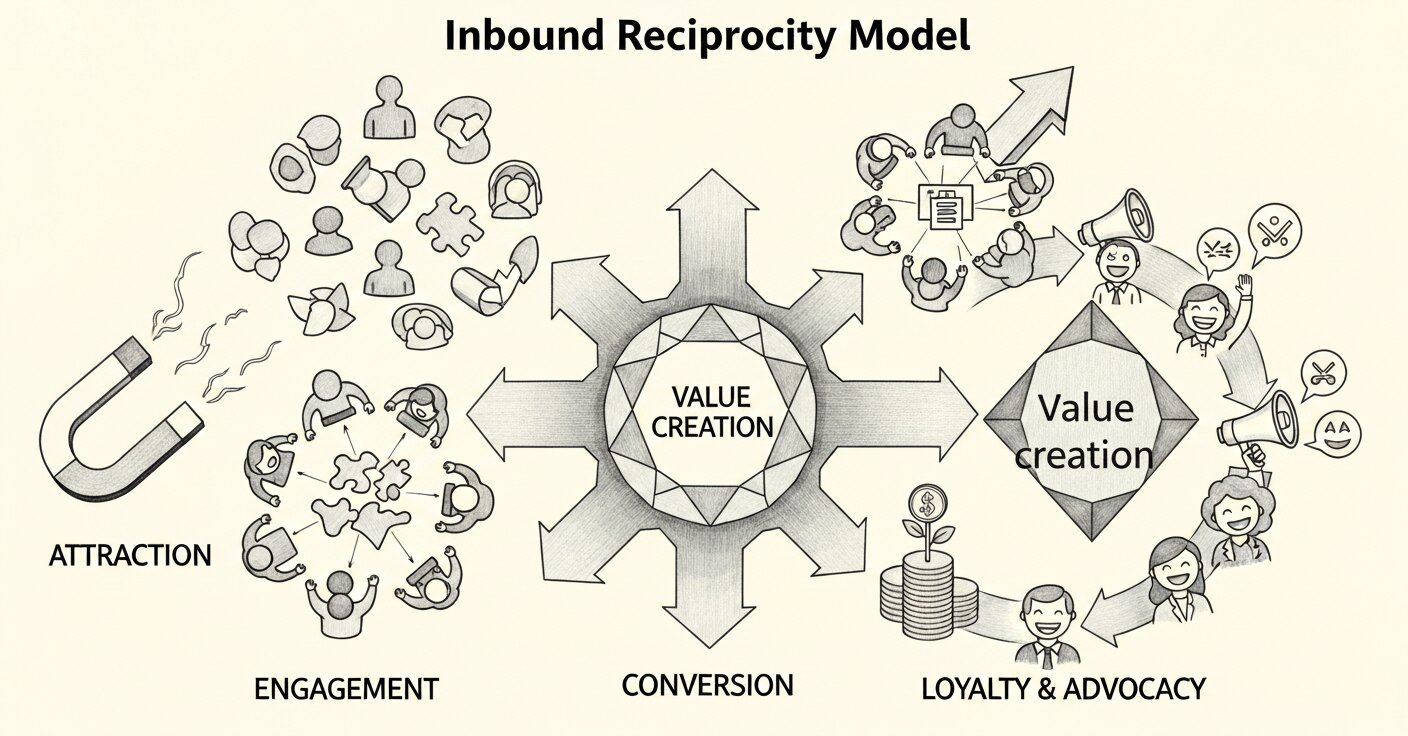
The Inbound Reciprocity Model transforms marketing from pushy persuasion to genuine service. By prioritizing meaningful value and authentic engagement, brands build trust and naturally encourage conversion. Integrating inbound value marketing ensures every interaction strengthens relationships and drives long-term growth.
The Inbound Reciprocity Model has quickly gained attention as a modern marketing strategy that prioritizes value and relationship-building over traditional sales tactics. By providing meaningful, customer-focused value before asking for anything in return, brands can create trust, engagement, and natural conversion pathways. Whether you are a marketer, entrepreneur, or business professional, understanding the nuances of this model can help you implement strategies that resonate with today’s discerning audiences. Below are some of the most frequently asked questions about this approach, offering clarity on its principles, implementation, and benefits.
The Psychology Behind Reciprocity
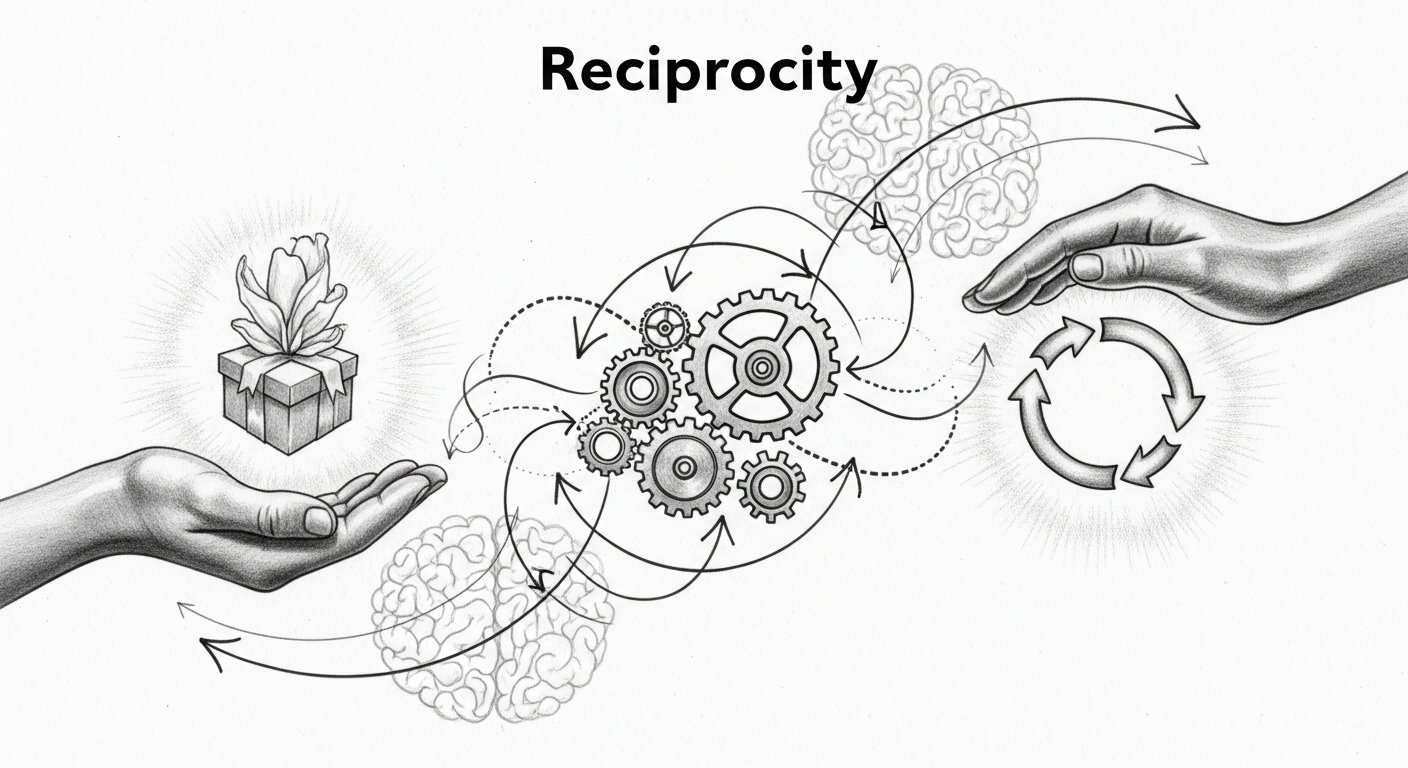 Human beings are wired to respond to generosity. When someone provides us with something valuable—whether it’s knowledge, a helpful resource, or a meaningful experience—we instinctively feel a desire to reciprocate. This psychological principle is not just a social nicety; it is the backbone of the Inbound Reciprocity Model. By leveraging this natural human tendency, brands can create marketing strategies that feel organic, respectful, and highly effective.
Unlike traditional marketing approaches that often rely on direct asks, pushy calls-to-action, or interruptive ads, reciprocity marketing operates on a subtler but more powerful level. Instead of pressuring a prospect to act, it encourages engagement through genuine value. When your brand provides solutions or insights upfront, you foster trust and credibility—making conversion a natural extension of the relationship rather than a forced choice. This approach is a central tenet of inbound value marketing, where the focus is on offering meaningful content and experiences before expecting anything in return.
Psychology shows that people are more likely to engage with brands that demonstrate authenticity and generosity. In the context of inbound value marketing, this means that each interaction should prioritize usefulness and relevance over immediate sales objectives. The more consistently you provide value, the stronger the motivation becomes for prospects to respond in kind—whether that’s signing up for a newsletter, exploring your product offerings, or making a purchase.
Components of Effective Value Exchanges
Creating value exchanges that genuinely convert requires careful consideration of your audience’s needs and priorities. Effective value offerings share several critical characteristics:
- They solve real, tangible problems. The most impactful reciprocity triggers address everyday pain points that your audience experiences. When your solutions are so practical and valuable that prospects would be willing to pay for them—even when offered freely—you set the stage for a natural, trust-based conversion. This problem-solving mindset lies at the heart of inbound value marketing best practices, where giving solutions precedes any transactional request.
- They showcase expertise without exhausting it. Your value offerings should clearly demonstrate your knowledge, skills, or unique insights, while leaving room for further engagement with your brand. This balance ensures that prospects recognize your authority without feeling overwhelmed. Case studies on effective content marketing illustrate how showcasing expertise builds trust at every stage of the customer journey.
- They feel authentic rather than transactional. As we’ve discussed at InboundMarketo, the exchange must never feel like a disguised sales pitch. When value is delivered authentically, prospects perceive the interaction as genuine, which strengthens trust and fosters long-term relationships. Authenticity is a cornerstone of relationship-based marketing strategies, emphasizing meaningful engagement over aggressive selling.
- They are relevant and personalized. Effective value exchanges are tailored to the unique needs, preferences, or challenges of your audience. Generic content or broad messaging may provide information, but it rarely triggers the psychological pull of reciprocity. Segmentation and personalization tools can help ensure every interaction feels directly useful and relevant.
- They encourage ongoing engagement. Reciprocity doesn’t have to be a one-time event. By providing multiple touchpoints—such as educational content, interactive tools, or expert guidance—you create an ecosystem of value that keeps prospects engaged over time. This consistent, layered approach is what makes long-term content strategies effective in inbound value marketing.
- They reinforce trust and credibility. Every interaction in a value-driven strategy should strengthen the perception of your brand as reliable and helpful. Trust is the currency of the Inbound Reciprocity Model, and when combined with thoughtful inbound value marketing, it turns casual visitors into loyal customers. Consider exploring examples of brands leveraging trust-based marketing for inspiration.
By understanding these psychological and strategic principles, brands can craft marketing experiences that feel natural, respectful, and persuasive. Integrating inbound marketing frameworks ensures that every exchange is designed to provide genuine utility, build trust, and ultimately convert interest into action—without the need for pushy tactics.
Engineering the Value Ladder
 Structuring the Reciprocity Model as a Value Ladder
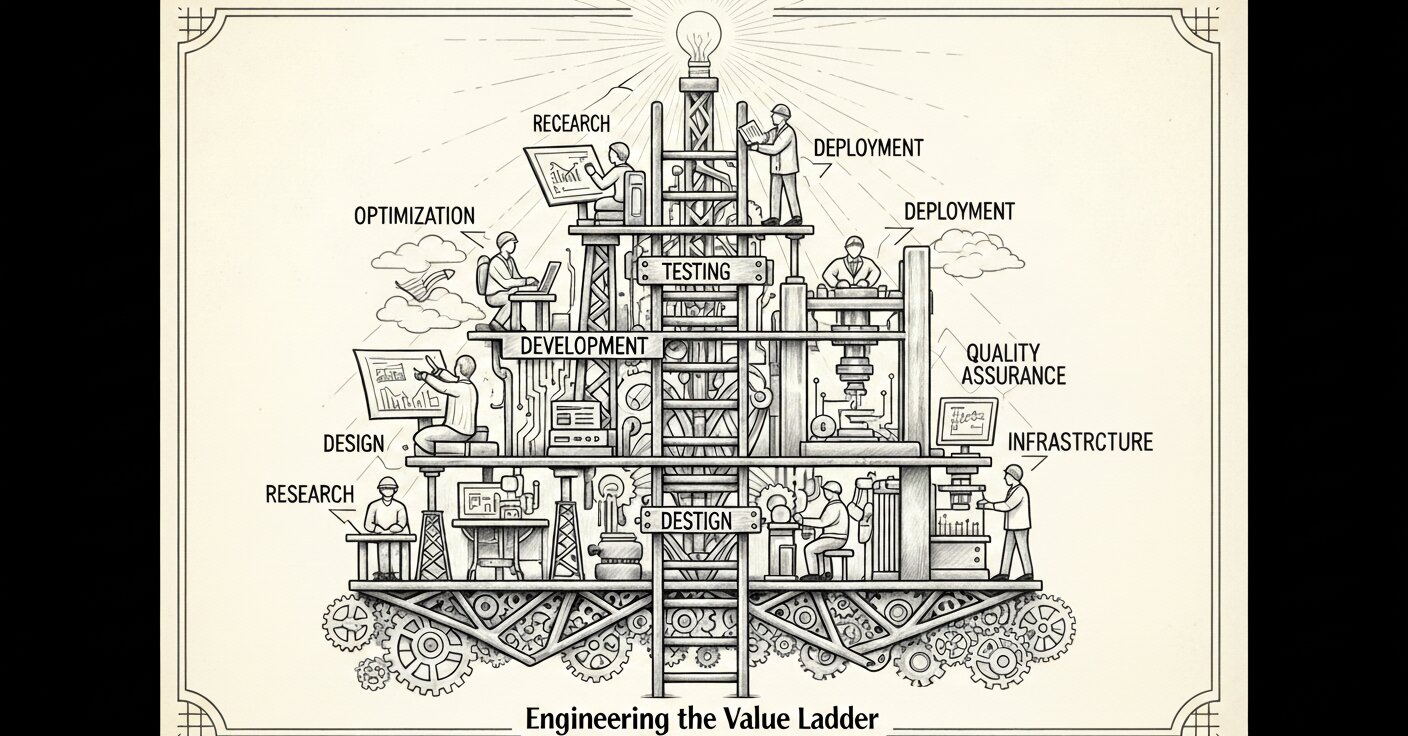
The reciprocity model works most effectively when structured as a value ladder—a strategic sequence of increasingly valuable exchanges that gradually deepen the relationship between brand and prospect. The idea is simple but powerful: each step on the ladder delivers meaningful value while naturally leading the prospect closer to conversion. This approach aligns seamlessly with inbound value marketing principles, which prioritize giving before asking and nurturing relationships over aggressive selling.
Start at the base of the ladder with low-commitment, high-value offerings that require minimal information from prospects. These can include insightful blog posts, practical tools, educational resources, or helpful guides that address immediate challenges. By providing this early-stage value, you set the foundation for trust and engagement without putting prospects on the defensive. Inbound value marketing thrives at this stage because it focuses on usefulness and relevance, not on pushing products.
As trust grows, you can introduce intermediate value exchanges that offer deeper solutions while also collecting more meaningful information about your audience’s specific needs and challenges. Examples include webinars, interactive calculators, personalized assessments, or downloadable templates. These exchanges maintain a helpful tone while allowing you to better understand and segment your audience. This step exemplifies inbound value marketing in action: giving strategic value while creating opportunities for more personalized engagement.
Finally, premium offerings—whether advanced services, comprehensive solutions, or exclusive content—should be positioned as the natural continuation of this value journey. At this stage, conversion feels logical rather than forced, because prospects have already experienced tangible benefits and understand your brand’s expertise. The progression from free, low-commitment resources to premium offerings illustrates the essence of inbound value marketing: guiding prospects along a path of meaningful value exchanges that make decisions feel natural.
Measuring Reciprocity Success
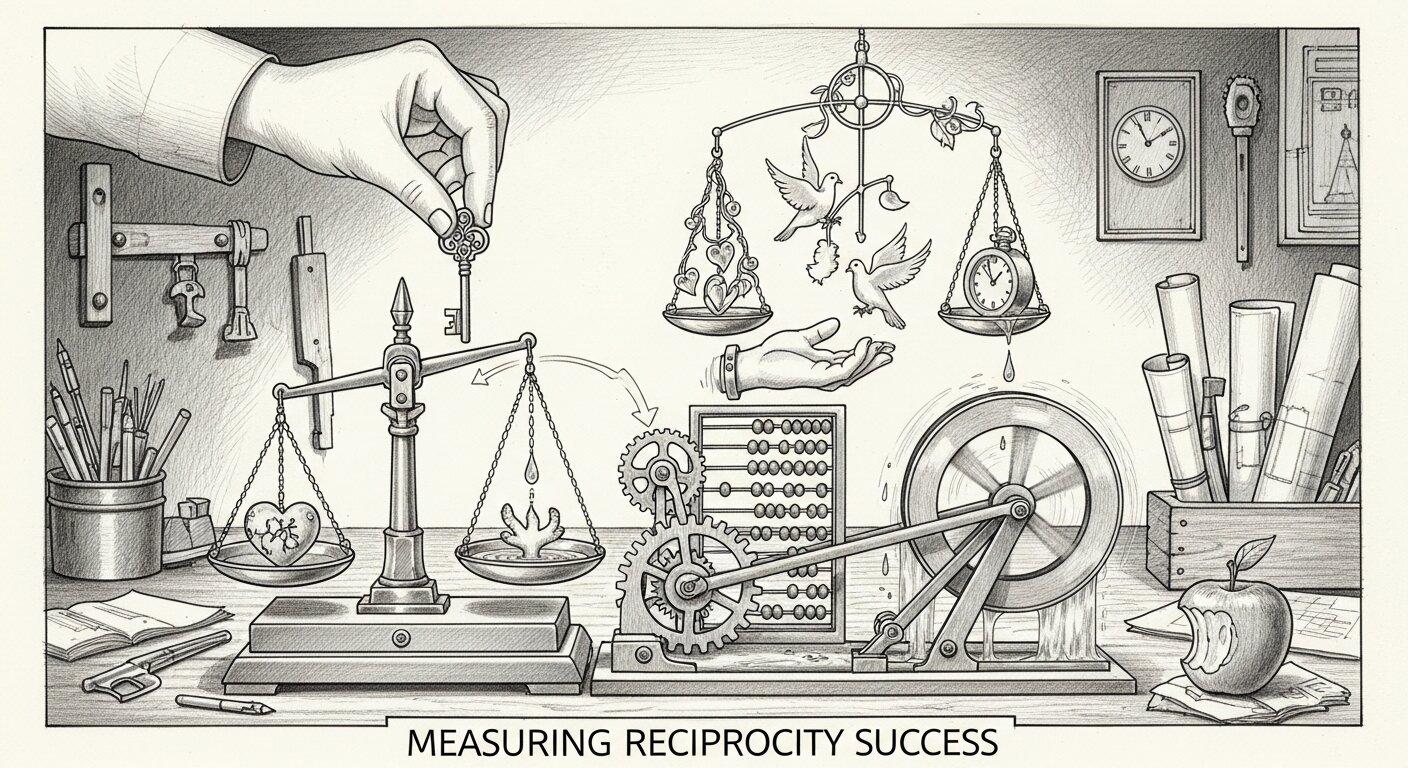 Measuring the success of the reciprocity model requires a shift in perspective compared to traditional conversion metrics. Instead of focusing solely on immediate completion rates or one-off purchases, evaluate relationship quality metrics and engagement patterns. Track metrics such as depth of interaction, content sharing, repeat visits, and progression through multiple value exchanges.
The most revealing indicator of success is not simply the number of immediate conversions but how many prospects return for additional value before ultimately making a purchase. This shows the strength of the reciprocity relationship you’ve built. In inbound value marketing, these long-term indicators are often more predictive of lifetime customer value than short-term conversion statistics, demonstrating that giving meaningful value first creates a self-reinforcing cycle of engagement and trust.
Implementation Challenges
Implementing the Inbound Reciprocity Model is a long-term strategy that requires patience and thoughtful execution. Unlike direct-response campaigns designed for immediate results, reciprocity marketing builds momentum gradually. Brands that embrace this model are investing in sustained growth, higher engagement, and stronger customer loyalty.
Leadership and stakeholders may initially question the approach, especially if they are accustomed to direct-response marketing that prioritizes immediate ROI. To address this, frame the reciprocity strategy as an investment in customer lifetime value and long-term brand equity, rather than just short-term conversion optimization. Doing so helps secure buy-in and sets realistic expectations. Inbound value marketing emphasizes the same principle: measurable value may not be instant, but it compounds over time through consistent, meaningful interactions.
Beyond Digital: Omnichannel Reciprocity
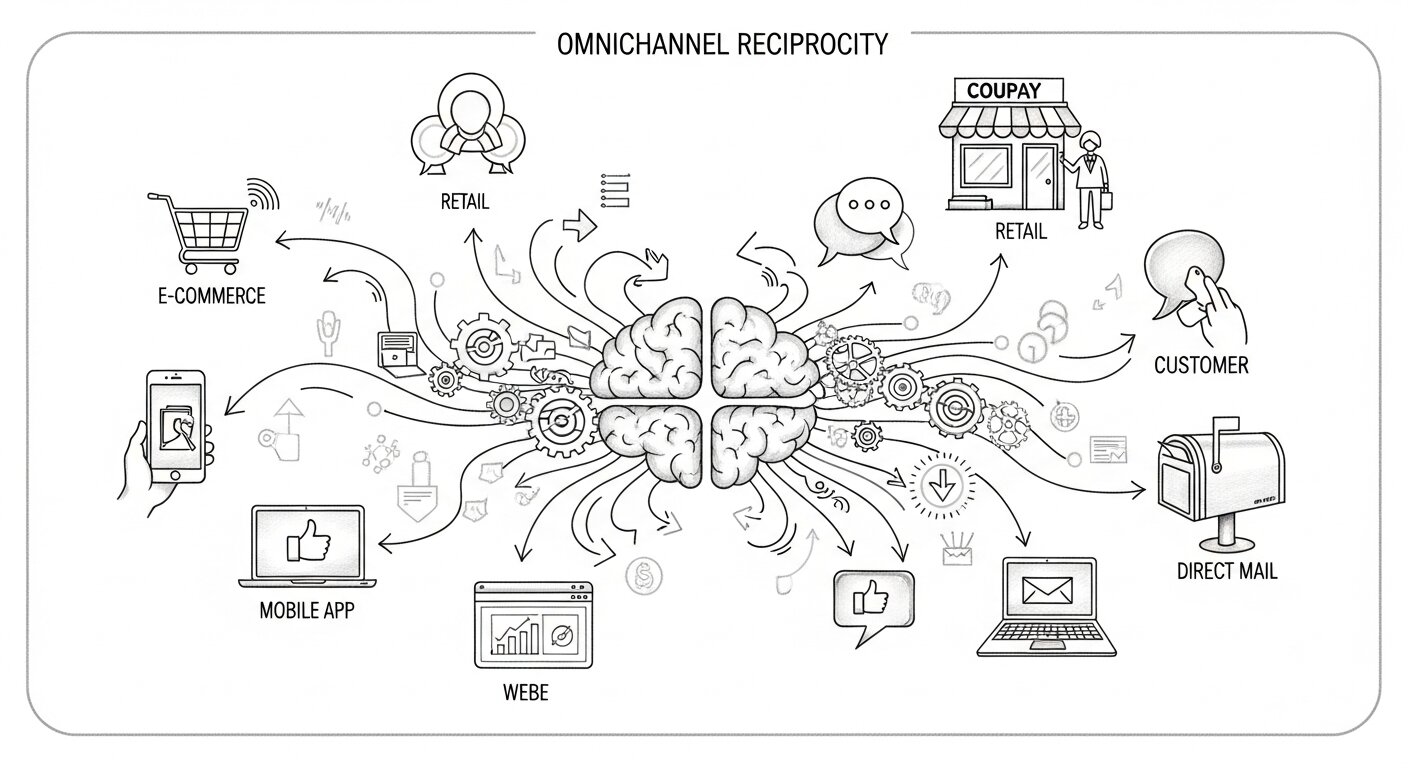
While digital channels offer efficient mechanisms to deliver value, the principles of the reciprocity model extend across all touchpoints. In-person events, workshops, print materials, personal consultations, and even phone interactions can serve as powerful reciprocity triggers when designed thoughtfully. The goal is to ensure that the value-first mentality permeates every aspect of your marketing, rather than existing as an isolated campaign element.
Consistency is key. When prospects encounter the same generous, helpful approach across multiple channels, trust deepens and conversions become a natural outcome. This omnichannel consistency mirrors the philosophy of inbound value marketing: providing relevant, actionable, and authentic value wherever your audience engages with your brand.
By structuring your marketing strategy as a thoughtful value ladder, measuring success through relationship strength, navigating implementation challenges with patience, and expanding beyond digital channels, you can fully leverage the Inbound Reciprocity Model. Integrating inbound value marketing at every stage ensures that each interaction is meaningful, trust-building, and conversion-friendly—transforming your marketing from transactional to relational and from pushy to persuasive.
Conclusion
The Inbound Reciprocity Model represents a fundamental shift in how brands approach marketing. Traditional marketing often relies on persuasion, urgency, and direct calls-to-action to drive conversions. By contrast, this model flips the script: it focuses on service, education, and genuine value. Instead of interrupting prospects with messages they may not want, the brand invites them into a relationship built on trust and meaningful exchanges. This shift—from interruption to invitation—is at the heart of modern inbound value marketing.
At its core, the Inbound Reciprocity Model is about engineering value exchanges that feel natural rather than forced. Each interaction is designed to offer something genuinely helpful to the audience, whether that’s knowledge, tools, insights, or experiences. When done well, these value exchanges inspire engagement and conversion without the need for overt requests. The prospect’s next step—signing up for a newsletter, exploring a product, or making a purchase—becomes a logical outcome of the relationship, not a pressured decision.
It’s important to remember that reciprocity cannot be artificially manufactured. Customers can sense when value is transactional or insincere, and forced gestures can undermine trust rather than build it. True reciprocity emerges organically when a brand’s actions are genuinely customer-focused. This requires a mindset shift: instead of asking, “How can we get customers to convert?” the more effective question is, “How can we provide so much meaningful value that conversion becomes the obvious next step?”
This approach has several profound implications for marketing strategy:
Long-term Relationship Building – By prioritizing value first, brands create deeper, more sustainable connections with prospects. Each helpful interaction compounds over time, strengthening loyalty and increasing the likelihood of future engagement. Inbound value marketing thrives on this cumulative effect, where every touchpoint reinforces trust and authority.
Psychological Engagement – Human behavior is naturally responsive to generosity. When a brand consistently provides useful resources or insights, prospects feel an unconscious pull to reciprocate. This psychological principle makes the conversion process smoother and more authentic.
Strategic Positioning – Brands that adopt the Inbound Reciprocity Model position themselves as problem solvers and thought leaders, not just sellers. This strengthens reputation, differentiates the brand in competitive markets, and allows even complex or premium offerings to feel accessible because the audience already perceives clear value.
Sustainable Growth – Unlike campaigns focused solely on immediate ROI, this model emphasizes long-term metrics such as engagement depth, repeat visits, and the quality of interactions. By nurturing trust and credibility first, brands set themselves up for sustained growth—a core tenet of inbound value marketing philosophy.
Implementing the Inbound Reciprocity Model requires intentional planning and patience, but the payoff is substantial. When each piece of content, tool, or resource is designed to help the customer first, marketing transforms from a transactional function into a service-oriented relationship builder. Over time, this approach makes conversion not just likely but inevitable, as prospects naturally move toward deeper engagement with a brand they trust.
Frequently Asked Questions
What is the Inbound Reciprocity Model?
The Inbound Reciprocity Model is a marketing strategy that encourages conversions by providing value upfront. It leverages the human tendency to reciprocate generosity, turning helpful interactions into natural opportunities for engagement.
How does reciprocity influence customer behavior?
When a brand delivers meaningful value without expecting immediate returns, customers feel a psychological pull to reciprocate. This can translate into engagement, loyalty, or eventual purchases.
How is the Inbound Reciprocity Model different from traditional marketing?
Traditional marketing often focuses on direct asks, promotions, or pushy calls-to-action. The Inbound Reciprocity Model, by contrast, prioritizes service, education, and authentic engagement, making conversion feel like a natural next step.
What are examples of value exchanges in this model?
Value exchanges can include educational blog posts, helpful tools, free templates, webinars, interactive assessments, and personalized guidance. The key is that they address genuine customer needs.
How do I measure the success of the reciprocity model?
Instead of only tracking immediate conversions, measure engagement depth, repeat visits, content shares, and progression through multiple value exchanges. These metrics reflect the strength of trust and long-term relationships.
Can this model be applied offline or in-person?
Yes. In-person events, workshops, print resources, or consultations can all function as reciprocity triggers when designed thoughtfully, ensuring a consistent value-first approach across all touchpoints. For businesses looking to implement this approach efficiently, it can also be valuable to Find Affordable Inbound Marketing Services for Your Business that support hybrid and multichannel strategies.
How do I start implementing this model?
Begin with low-commitment, high-value offerings that require minimal input from prospects, gradually progressing to intermediate and premium exchanges as trust builds. Mapping a value ladder is often an effective way to structure this approach.
Is this approach suitable for all industries?
While particularly effective for knowledge-based, service, and B2B sectors, the principles of providing value first can be adapted to most industries, including e-commerce, retail, and SaaS businesses.
How does inbound value marketing relate to the reciprocity model?
Inbound value marketing is the strategic application of providing meaningful, customer-focused value to drive engagement. It directly complements the Inbound Reciprocity Model by emphasizing helpfulness, authenticity, and trust at every stage of the customer journey.
What challenges should I anticipate?
The main challenges include patience, leadership buy-in, and consistency across channels. Success requires long-term planning, authentic value delivery, and a focus on customer lifetime value rather than immediate ROI.