This comprehensive guide explores the fundamental differences between these two powerful approaches. You will learn actionable strategies, view detailed comparisons, and discover how to blend these methods to maximize your revenue, build lasting customer relationships, and scale your business efficiently.
Are you struggling to choose the right growth strategy? Understanding Inbound Marketing vs Outbound Marketing is the first step to unlocking your brand’s true potential.
Understanding Inbound Marketing vs Outbound Marketing
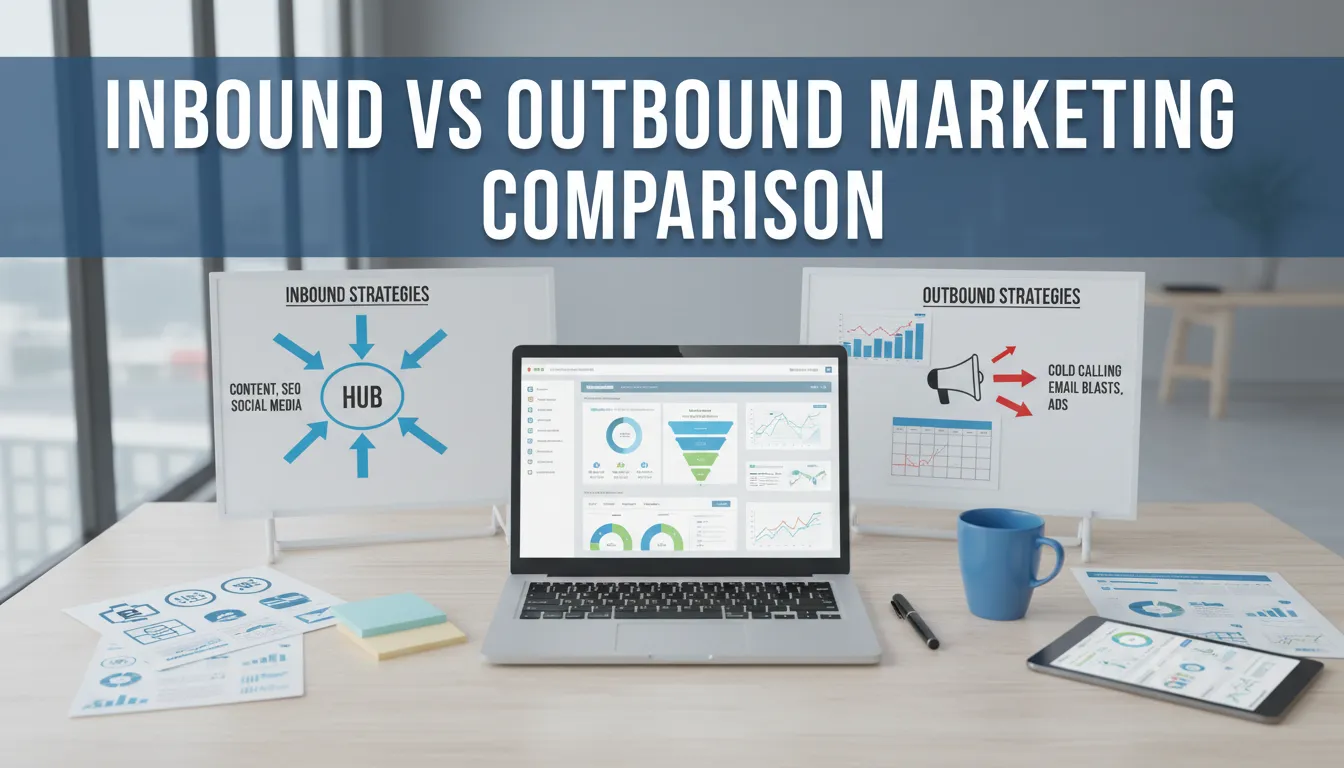
To build a sustainable growth engine, you need to understand how different promotional tactics interact with your target audience. The debate surrounding Inbound Marketing vs Outbound Marketing often centers on how businesses prefer to communicate with potential buyers. One method pulls prospects in, while the other pushes messages out. Both have distinct advantages, and mastering them requires a deep dive into their core mechanics.
What is Inbound Marketing?
This approach focuses on creating valuable experiences that have a positive impact on people and your business. You attract prospects to your website through relevant and helpful content. Once they arrive, you engage with them using conversational tools like email and chat and by promising continued value. Finally, you delight them by continuing to act as an empathetic advisor and expert.
Unlike traditional advertising, this method does not interrupt the consumer’s day. Instead, it empowers them to find answers to their questions exactly when they need them. Tactics include optimizing your site for search engines, publishing comprehensive blog posts, creating engaging video content, and leveraging social media platforms. By aligning the content you publish with your customer’s interests, you naturally attract inbound traffic that you can then convert, close, and delight over time. Building a strong content marketing strategy is essential to make this work effectively.
The Power of Outbound Marketing
Outbound marketing takes a more traditional approach. You proactively reach out to consumers to get them interested in a product or service. This involves pushing your message to a wide audience, regardless of whether they asked for it or expressed prior interest. Tactics include television and radio commercials, telemarketing, cold calling, direct mail, trade shows, and display advertising.
While some consider these tactics interruptive, they remain highly effective for generating immediate awareness. When you launch a new product or enter a new market, you cannot always wait months for organic traffic to build. You need eyes on your brand immediately. This is where targeted outbound campaigns shine. They allow you to control the timing, the message, and the specific demographic you want to reach. Integrating these tactics with a robust lead generation system ensures that the attention you buy translates into tangible sales opportunities.
Key Differences and Business Impact
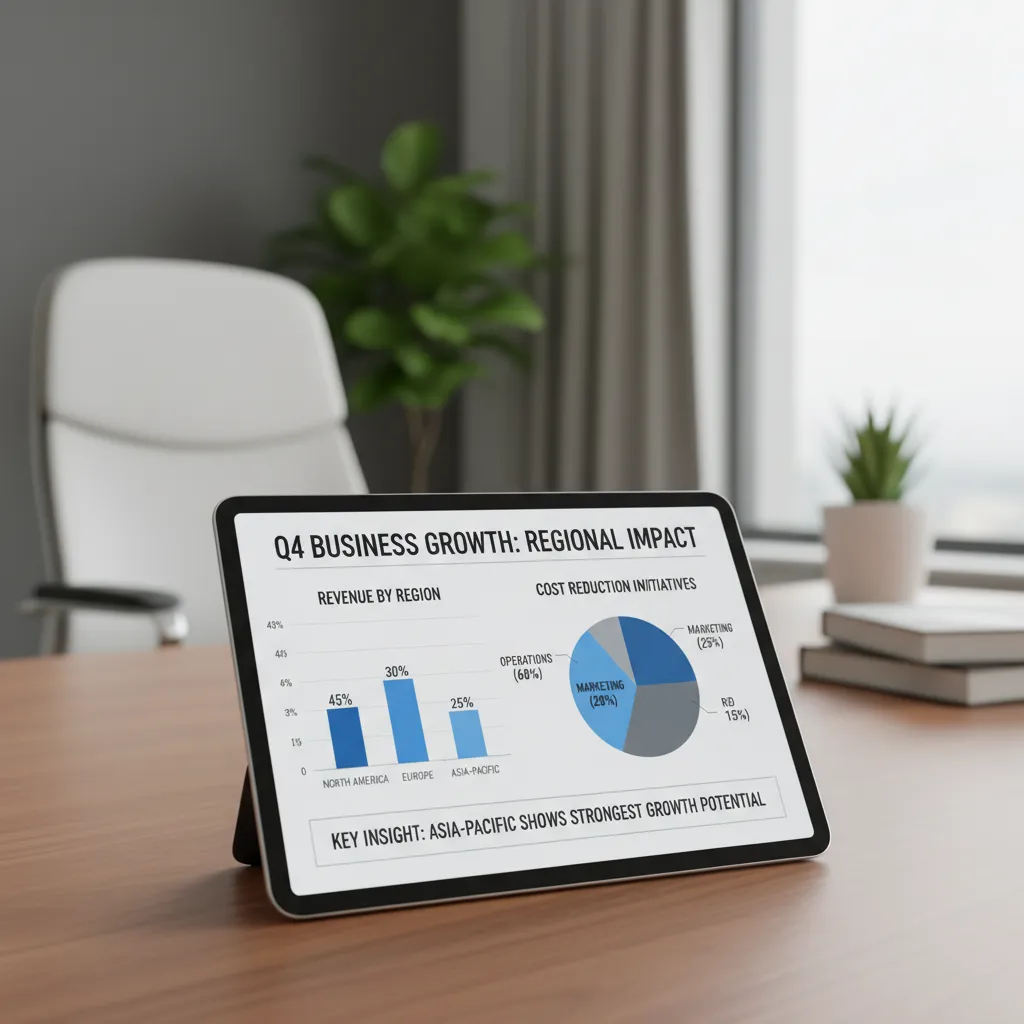
Choosing the right path requires analyzing how each strategy impacts your bottom line, resource allocation, and customer perception. Let us break down the core differences.
Audience Engagement and Targeting
Inbound tactics rely on permission. Consumers actively search for a solution to their problem, find your content, and choose to consume it. This means the leads generated are often highly qualified. They already have a level of intent. For example, if someone searches for “how to fix a leaky pipe” and finds a plumber’s tutorial video, they are highly likely to need plumbing services soon.
Outbound tactics rely on interruption. You broadcast a message hoping it resonates with a percentage of the audience. A billboard on a busy highway reaches thousands of people, but only a fraction of those drivers need what you are selling at that exact moment. However, advancements in digital outbound advertising, such as targeted programmatic display ads, have significantly improved targeting capabilities, allowing you to focus on specific behavioral traits and demographics.
Cost Structure and Return on Investment
The financial models for these strategies differ vastly. Inbound requires a significant upfront investment in time and creative resources. Writing an authoritative guide or producing a high-quality video series takes effort. However, once published, that content can generate organic traffic for years without additional per-click costs. This creates a compounding return on investment.
Outbound campaigns generally require continuous financial investment. When you stop paying for a television spot or a Google Ads campaign, the traffic and leads stop immediately. However, outbound provides predictable and scalable results. If you know that spending one thousand dollars on a direct mail campaign generates two thousand dollars in revenue, you can reliably forecast your growth.
Structured Comparison Table
Here is a clear breakdown of the core differences to help you visualize the comparison:
|
Feature |
Inbound Strategy |
Outbound Strategy |
|---|---|---|
|
Core Mechanism |
Pulls customers in with value |
Pushes messages out to an audience |
|
Primary Tactics |
SEO, blogging, social media, opt-in email |
Cold calling, TV/radio ads, display ads, direct mail |
|
Audience Intent |
High (actively searching for solutions) |
Low to Medium (passive reception) |
|
Time to Results |
Long-term (months to years) |
Short-term (immediate upon launch) |
|
Cost Structure |
High time investment, lower monetary cost |
High financial investment, predictable scaling |
|
Measurement |
Highly trackable (analytics, attribution) |
Sometimes difficult to track (offline media) |
Strategies for Maximum Business Growth
To truly scale your business, you need to implement actionable strategies that leverage the strengths of both methodologies.
Building a Winning Organic Engine
Start by conducting deep audience research. Understand the exact questions your ideal customers type into search engines. Use this data to create a comprehensive content calendar. Focus on developing pillar pages that cover broad topics extensively, and support them with cluster articles that dive into specific subtopics.
Ensure your website is technically sound. Fast loading speeds, mobile responsiveness, and intuitive navigation are critical for keeping visitors engaged. Capture visitor information by offering valuable lead magnets, such as downloadable templates or industry reports. Once you capture an email address, nurture that lead with automated sequences that provide further education and gently guide them toward a purchasing decision. Enhancing your search engine optimization efforts will ensure this content consistently ranks well and drives traffic.
Executing High-Impact Promotional Campaigns
For immediate reach, develop highly targeted promotional campaigns. Do not just buy a billboard; use data-driven digital advertising. Leverage platforms like LinkedIn for business-to-business outreach, targeting specific job titles and company sizes. Use social media advertising to retarget users who visited your website but did not convert.
When executing cold outreach, personalize your messaging. Generic, mass-produced emails rarely work. Research your prospects, mention their specific pain points, and explain exactly how your solution makes their life easier. Ensure your sales team has the tools they need to track interactions and follow up effectively. Incorporating a powerful customer relationship management tool is vital for keeping these outbound efforts organized and effective.
The Hybrid Approach: Integrating Both Methods
The most successful companies do not choose one or the other; they blend them. Use outbound advertising to promote your best performing inbound content. If a blog post generates a high conversion rate organically, put paid promotion behind it to amplify its reach.
Use outbound tactics to generate initial cash flow while waiting for your organic assets to rank in search engines. When you attend an industry trade show (outbound), capture email addresses and place those contacts into a carefully crafted educational email sequence (inbound). This seamless integration creates a powerful growth loop where each strategy feeds and strengthens the other.
Expert Insights and Pro Tips
Industry leaders consistently emphasize the need for adaptability and value creation in modern promotional efforts. Consider these expert recommendations to elevate your campaigns:
- Prioritize user intent over search volume. Ranking for a keyword with low search volume but incredibly high commercial intent often drives more revenue than ranking for a broad, generic term.
- Repurpose your content aggressively. Turn a successful webinar into a series of blog posts, chop those posts into social media updates, and compile the data into a downloadable guide.
- Always perform A/B testing on your outreach campaigns. Test different email subject lines, landing page headlines, and call-to-action buttons to continuously refine your conversion rates. Marketing experts recommend continuous testing to ensure optimal performance.
- Focus on building topical authority. Search engines reward websites that demonstrate deep expertise in a specific subject area rather than those that cover unrelated topics superficially.
Common Mistakes to Avoid
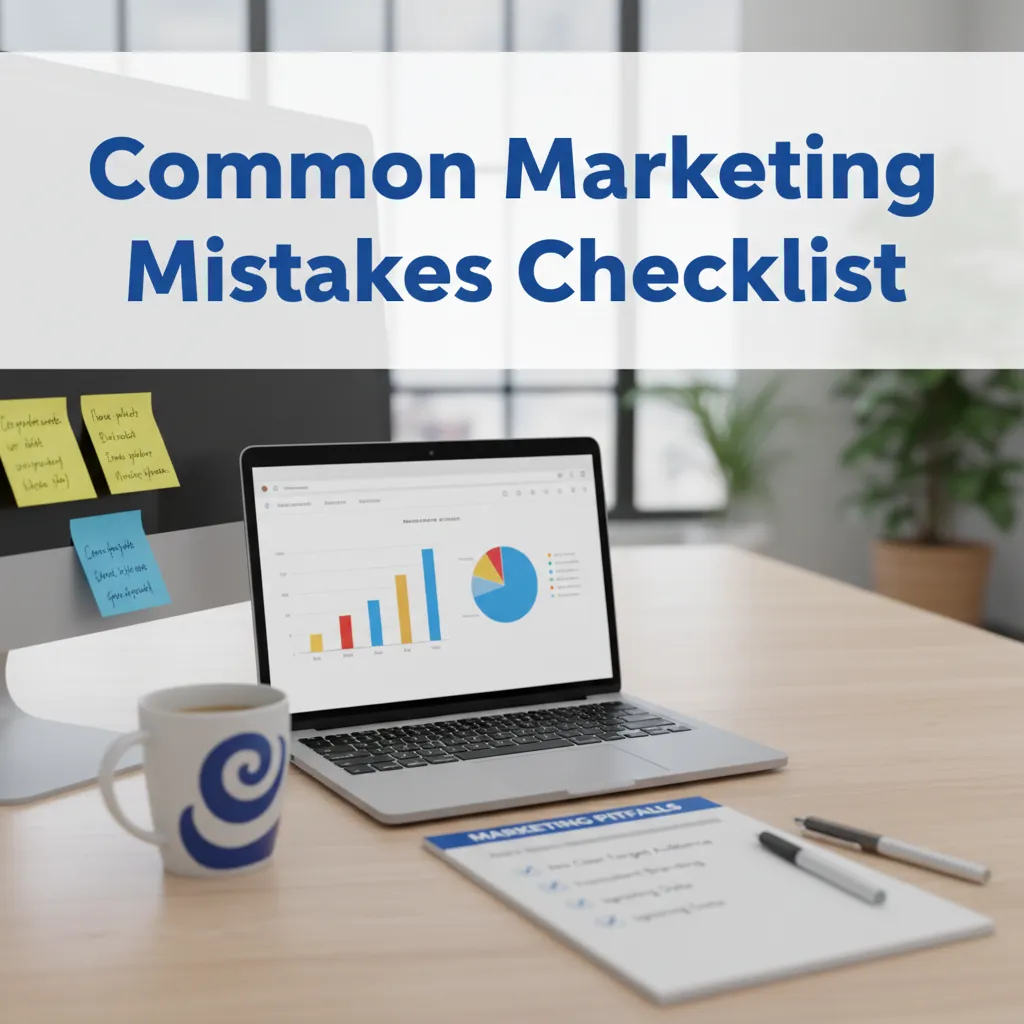
Even experienced professionals stumble when executing these strategies. Watch out for these frequent pitfalls to protect your budget and brand reputation.
Neglecting the Post-Click Experience
Many businesses spend heavily on driving traffic but ignore what happens after the click. If a user clicks an advertisement promising a specific solution and lands on a generic homepage, they will leave immediately. Always direct traffic to dedicated landing pages that perfectly match the promise made in your promotional material.
Failing to Define Clear Metrics
You cannot improve what you do not measure. Failing to establish clear Key Performance Indicators (KPIs) before launching a campaign guarantees wasted resources. Define what success looks like—whether that is a specific cost per acquisition, a target return on ad spend, or a set number of qualified leads—and track it relentlessly. Utilizing advanced marketing analytics platforms will give you the visibility you need to make informed decisions.
Overlooking Audience Segmentation
Treating your entire audience as a single monolith is a massive error. Different segments have different pain points, budgets, and communication preferences. Segment your audience data and tailor your messaging accordingly. A message that resonates with a chief executive officer will likely fall flat with a mid-level manager. According to leading industry research, segmented campaigns drastically outperform generic outreach.
Conclusion
Choosing between Inbound Marketing vs Outbound Marketing is not about picking a winner; it is about finding the perfect balance for your unique business goals. By consistently creating high-value content to attract ideal customers and strategically deploying targeted outreach to capture immediate attention, you build a resilient and scalable growth engine. Start analyzing your current audience acquisition data today, refine your messaging, and take immediate action to dominate your market.
Frequently Asked Questions
What is the main difference between Inbound Marketing vs Outbound Marketing?
Inbound focuses on attracting customers through valuable content and interactions, essentially pulling them in. Outbound involves proactively reaching out to consumers, pushing a message to a broader audience through advertising and direct outreach.
Which strategy is more cost-effective for small businesses?
Inbound is generally more cost-effective for small businesses because it relies on time and creativity rather than large advertising budgets. Creating an informative blog or engaging social media presence builds lasting value without ongoing per-click costs.
How long does it take to see results from organic content creation?
Organic content strategies typically take three to six months to begin showing significant results. Search engines need time to crawl, index, and rank your content, and it takes time to build audience trust and authority.
Is traditional advertising completely dead?
No, traditional advertising is not dead. It remains highly effective for generating immediate brand awareness, launching new products, and reaching local markets or specific demographics that respond well to offline media.
How can I combine these two strategies effectively?
You can combine them by using paid advertising to promote your highest-converting organic content. You can also use direct outreach to invite prospects to consume your educational webinars or download your comprehensive industry guides.
What metrics should I track for my promotional campaigns?
For organic efforts, track website traffic, bounce rate, time on page, and organic lead conversion rates. For proactive outreach, track cost per acquisition, click-through rates, email open rates, and return on ad spend.
Why is my direct outreach campaign failing to generate leads?
Your campaign may be failing due to poor audience targeting, generic messaging that lacks personalization, or a failure to clearly articulate how your product solves the prospect’s specific problem.
How important is a CRM when executing these strategies?
A CRM is absolutely crucial. It allows you to track every interaction a prospect has with your brand, ensuring your sales and promotional teams are aligned and can follow up effectively based on user behavior.
Can business-to-business companies succeed with organic content?
Yes, business-to-business companies thrive on organic content. B2B buyers conduct extensive research before making purchasing decisions. Providing detailed case studies, whitepapers, and technical guides positions your company as a trusted industry authority.
What is the biggest mistake companies make with digital advertising?
The biggest mistake is sending paid traffic to a generic homepage instead of a highly relevant, conversion-optimized landing page. The post-click experience must directly match the promise made in the advertisement.