
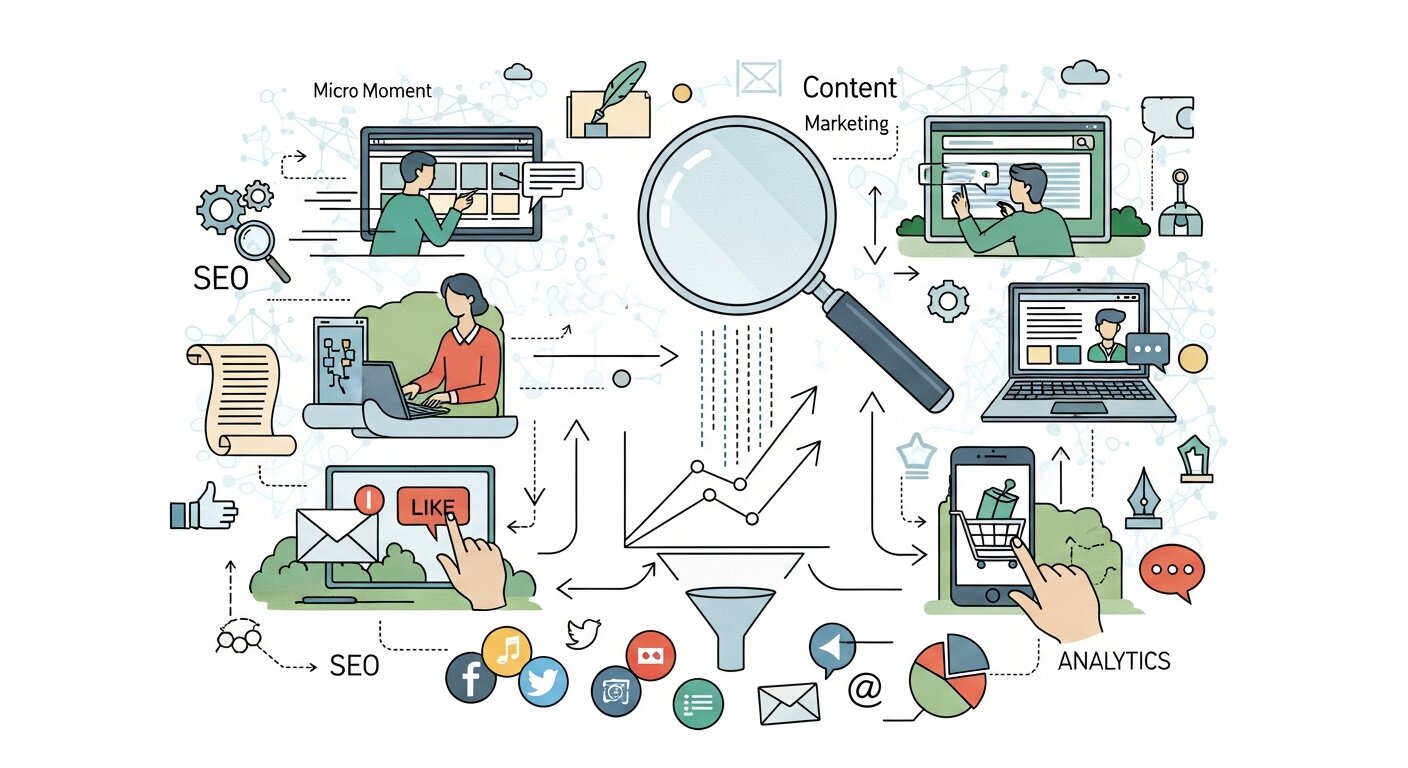
In today’s fast-moving digital landscape, customer journeys are no longer predictable or linear. Buyers shift between devices, search in short bursts, and expect immediate, relevant answers. This shift has made micro moments inbound marketing an essential strategy for brands that want to stay visible and competitive.
Rather than relying solely on long-form nurturing sequences, businesses must now show up in high-intent, real-time interactions. Whether someone is researching, comparing, locating, or purchasing, each micro-interaction represents an opportunity to build trust and drive action. The following FAQs address common questions about implementing and optimizing micro moments inbound marketing effectively.
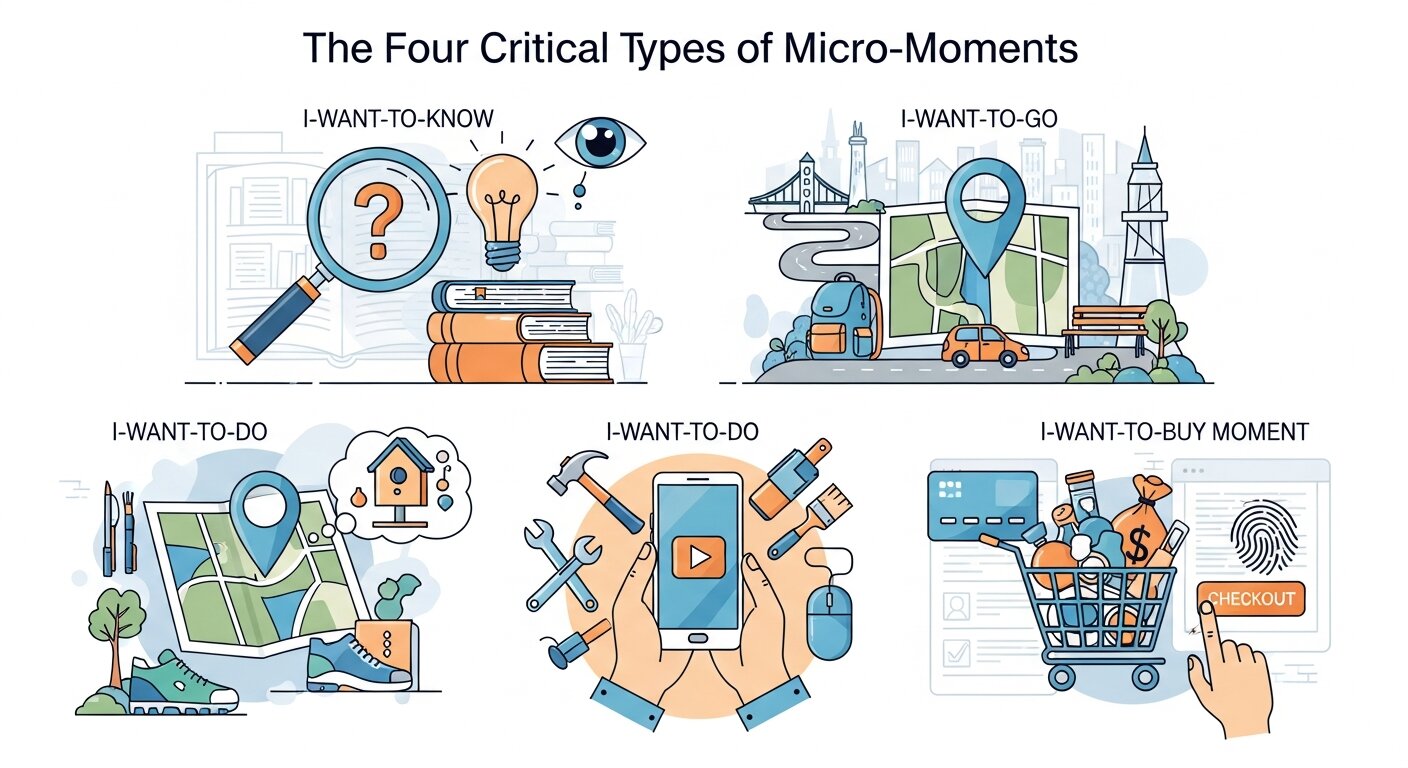
Not all micro-moments carry the same weight. Google identifies four key types of micro-moments that hold particular value for marketers, and each plays a unique role in shaping highly effective micro moments inbound marketing strategies. Understanding these distinctions is critical for delivering content that resonates at the exact moment consumers are ready to act.
“I want to know” moments occur when a user seeks information but isn’t ready to make a purchase. They are exploring options, learning, or simply satisfying curiosity. Educational blog posts , concise FAQs, short videos, and quick explainers excel in these moments. The goal of micro moments inbound marketing here is to establish trust and authority by delivering clear, relevant answers—without pushing a sale too soon.
“I want to go” moments happen when users are searching for local businesses or solutions nearby. Queries often include phrases like “near me” searches or mention specific locations. For brands with physical storefronts or local services, micro moments inbound marketing focuses on optimized local SEO, up-to-date business listings, mobile-friendly maps, click-to-call buttons, and accurate directions. In these moments, speed and clarity can make the difference between winning a customer or losing them to a competitor.
“I want to do” moments involve users seeking guidance or step-by-step instructions. They want to complete a task, fix a problem, or learn a new skill. Tutorials and how-to guides, short-form videos, and checklists work best. Micro moments inbound marketing thrives here by anticipating user challenges and providing immediate, frictionless solutions, positioning your brand as a helpful and trusted resource.
“I want to buy” moments reflect strong purchase intent. At this stage, the consumer has already decided to make a purchase and is comparing final options. Product pages, transparent pricing, reviews and testimonials, and streamlined checkout processes are essential. Micro moments inbound marketing ensures that doubt is removed, value is reinforced, and conversion happens effortlessly.
Each micro-moment demands its own approach—unique content, messaging, and user experience. Treating all moments the same risks missing opportunities and diluting impact. By understanding and targeting these moments strategically, brands can deliver the right message at the right time, capturing attention and driving meaningful results.
Why Micro-Moments Matter for Inbound Marketing
Traditional inbound strategies often emphasize long-form content, nurture sequences, and extended engagement cycles. While these remain valuable, they can overlook high-intent interactions happening in seconds.
According to Think with Google, 91% of smartphone users look up information while in the middle of another task. These spontaneous interactions are not random—they are intent-rich opportunities. Micro moments inbound marketing ensures your brand appears precisely when those intent signals emerge.
Mobile behavior has fundamentally reshaped the buyer journey. Instead of a predictable funnel, consumers move through fragmented, device-switching paths made up of dozens of brief interactions. A single purchase decision may involve multiple searches, quick comparisons, review checks, and short content engagements across different times of day.
Brands that prioritize micro moments inbound marketing gain a measurable competitive advantage. They don’t just create content; they strategically position it to align with real-time intent. This alignment increases engagement, improves trust, and shortens decision cycles.
Identifying Your Customers’ Key Micro-Moments
Every business has unique high-impact moments. Identifying them requires a combination of analytics, behavioral data, and customer insight.
Start by analyzing mobile traffic patterns. Look for short-duration visits, high-intent search queries, and question-based keywords. These often signal micro-moment activity. Examine which pages attract quick but recurring visits—those may represent critical decision checkpoints.
Customer interviews and surveys add another layer of insight. Ask when they typically search for solutions. Are they commuting? Comparing prices in-store? Researching late at night? Micro moments inbound marketing becomes far more effective when grounded in real behavioral triggers.
Mapping the customer journey with attention to hesitation points is also essential. Where do users pause? Where do they seek reassurance? These friction points often reveal powerful opportunities for intervention with targeted, moment-specific content.
Brands that intentionally identify even a handful of high-value interactions can dramatically improve performance. Rather than trying to dominate every possible search, focus on the specific micro-interactions that influence buying decisions most.
Creating Content Optimized for Micro-Moments
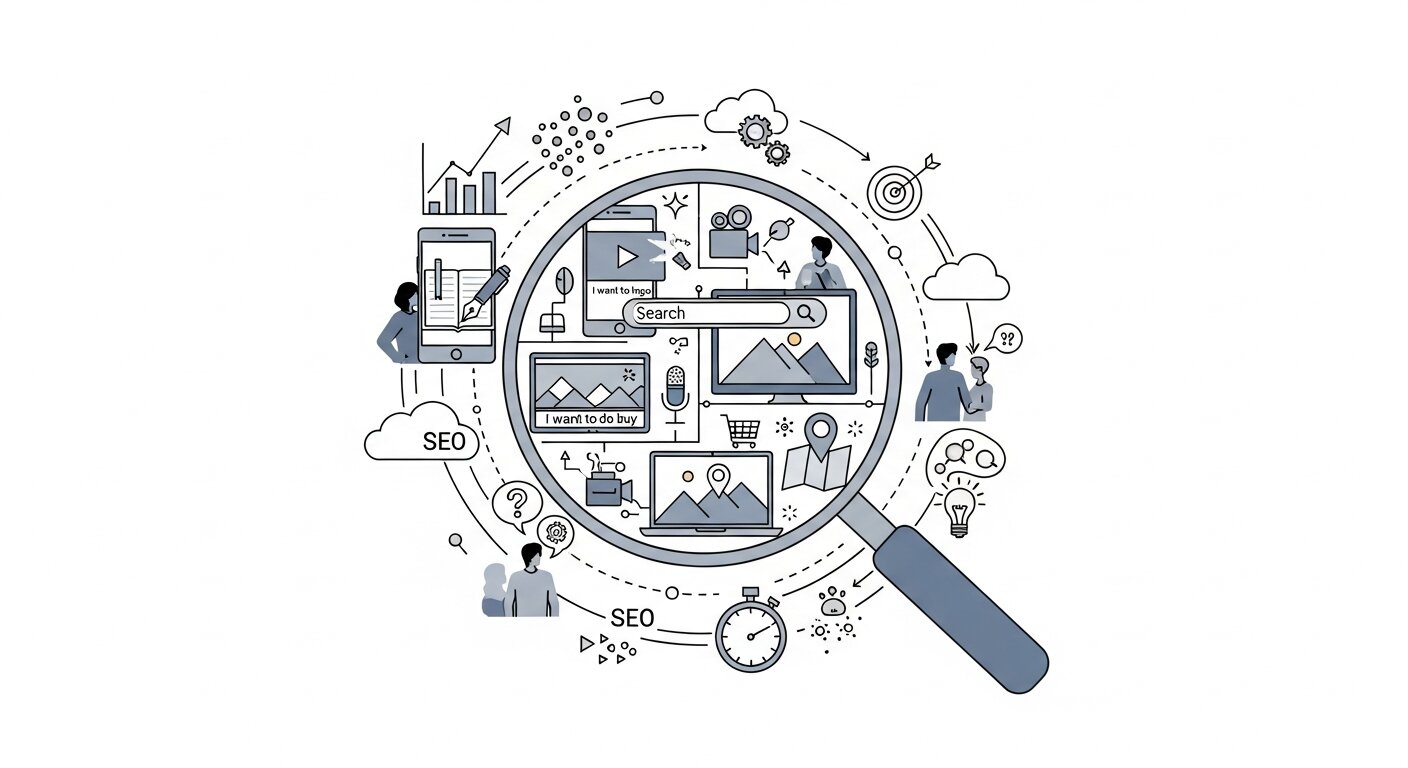
Content designed for micro-moments differs significantly from traditional long-form inbound assets. It must deliver immediate value with zero friction.
First, prioritize specificity. Each asset should answer one clear question or solve one focused problem. In micro moments inbound marketing, clarity consistently outperforms comprehensiveness.
Second, optimize for mobile-first consumption. Use concise paragraphs, clear subheadings, scannable formatting, and visual cues that communicate meaning instantly. The easier the content is to process, the more likely it is to convert.
Third, speed is non-negotiable. Research from Portent shows conversion rates drop by an average of 4.42% with every additional second of load time. Micro moments inbound marketing depends on immediacy; even minor delays can cost conversions.
Finally, consider creating dedicated micro-content assets: short explainer videos, quick comparison charts, bite-sized guides, interactive tools, and instant calculators. These formats align with the fast-paced nature of real-time decision-making.
When executed strategically, micro moments inbound marketing transforms fragmented attention into meaningful engagement. Instead of waiting for prospects to commit to long reading sessions, you meet them exactly when they need clarity—earning trust one decisive moment at a time.
Optimizing for Local Micro-Moments
“Near me” searches have grown exponentially in recent years, reflecting a strong shift toward immediate, location-driven intent. These searches represent high-conversion opportunities because the user is actively looking for a nearby solution rather than casually browsing. In micro moments inbound marketing, these local intent searches are some of the most commercially valuable interactions you can capture.
To maximize visibility in these moments, ensure your Google Business Profile is complete, accurate, and consistently updated with current hours, contact details, services, and images. Online reviews and prompt responses also influence decision-making during local searches. Micro moments inbound marketing depends on reducing friction, so accurate information and one-tap actions like call, direction, or booking buttons are essential.
Location-specific landing pages further strengthen your strategy. Instead of sending traffic to a generic homepage, create geo-targeted pages that immediately answer location-based queries. Include maps, testimonials from local customers, service availability, and clear next steps. Micro moments inbound marketing works best when content aligns precisely with the user’s immediate context.
Brands can also experiment with location-triggered offers or alerts. When a customer enters a defined geographic area, timely promotions or reminders can activate. These context-aware triggers transform passive proximity into active engagement, reinforcing the effectiveness of micro moments inbound marketing in physical and hybrid retail environments.
Measuring Micro-Moment Success
Traditional inbound metrics such as session duration or page depth may not fully capture the value of micro-interactions. Because micro moments inbound marketing focuses on speed and precision, success often appears in smaller but high-intent actions.
Develop KPIs for micro-conversions that track quick-answer views, store locator interactions, click-to-call actions, comparison tool usage, saved items, or short-form video completions. These signals indicate that your content delivered immediate value in a decisive moment.
Bounce rates should also be interpreted differently. In many cases, a high bounce rate on micro-focused content may signal success rather than failure. If a visitor finds a fast, accurate answer and leaves satisfied, the objective of micro moments inbound marketing has been achieved. Context matters more than raw metrics.
Cross-device tracking is equally important. A user might conduct a quick search on mobile, compare options later on a tablet, and finalize the purchase on a desktop. Micro moments inbound marketing recognizes that these fragmented interactions collectively shape the final decision. Attribution models should account for these touchpoints rather than crediting only the last click.
Micro-Moments in Different Industries
Different industries experience unique high-value interactions, but the underlying principles remain consistent.
E-commerce businesses benefit significantly from comparison-driven micro-moments. Shoppers frequently check pricing, shipping details, availability, and reviews before completing a purchase. Clear comparison charts, transparent policies, and concise product highlights enhance micro moments inbound marketing performance in online retail.
Service-based businesses often thrive by addressing “how to” and problem-solving interactions. Quick guides, short explainer videos, and FAQ snippets establish credibility during early research stages. By delivering clarity instantly, micro moments inbound marketing builds trust that later translates into consultation requests or bookings.
B2B organizations experience knowledge-verification interactions during complex buying cycles. Decision-makers may pause to confirm specifications, pricing structures, or industry claims. Fact-focused landing pages , concise whitepaper summaries, and case study highlights strengthen micro moments inbound marketing within longer enterprise sales journeys.
Healthcare providers encounter symptom-checking and informational searches. Patients often look for immediate reassurance or basic explanations before scheduling appointments. Clear, accessible, and authoritative medical content helps organizations responsibly leverage micro moments inbound marketing while prioritizing trust and accuracy.
The Technology Enabling Better Micro-Moment Marketing
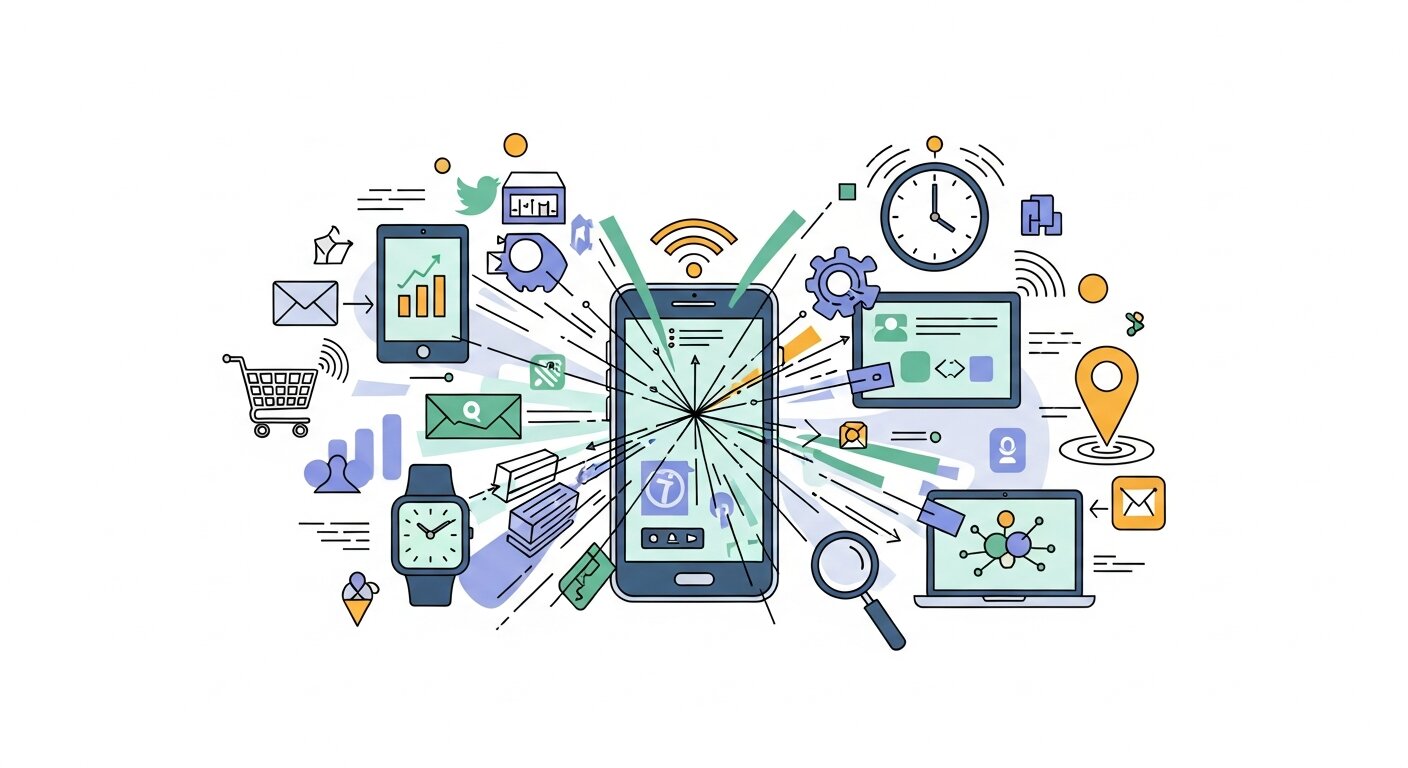
Technology plays a critical role in supporting speed and personalization.
Progressive web apps create fast, app-like experiences without requiring downloads. Their responsiveness makes them ideal for capturing intent-rich interactions central to micro moments inbound marketing.
Voice search optimization is becoming increasingly important as more users rely on digital assistants. Queries spoken aloud tend to be more conversational and question-based. Structuring content to answer natural language queries enhances visibility in voice-driven micro moments inbound marketing scenarios.
Artificial intelligence strengthens predictive capabilities. By analyzing behavioral patterns, AI can anticipate high-probability intent moments and surface relevant content proactively. This allows brands to prepare for micro-interactions before they fully form.
AMP (Accelerated Mobile Pages) technology further improves load speed, ensuring content appears instantly when intent peaks. In micro moments inbound marketing, even small delays can result in lost opportunities, making performance optimization non-negotiable.
When strategy, measurement, industry alignment, and technology work together, micro moments inbound marketing becomes more than a tactical adjustment—it becomes a framework for aligning your brand with real-time consumer intent at every critical decision point.