
Mobile Inbound Marketing is essential for connecting with on-the-go consumers. By optimizing content, speed, conversions, and engagement specifically for mobile users, brands can capture attention, drive loyalty, and boost conversions. A strategic, mobile-first approach ensures long-term success in a mobile-dominated digital world.
In today’s mobile-first world, engaging users on smartphones and tablets is no longer optional—it’s essential. Consumers now spend most of their time on mobile devices for communication, shopping, research, and brand interactions. This shift requires marketers to rethink traditional strategies and put mobile users at the center of every decision. Mobile Inbound Marketing is a strategy that optimizes every aspect of the customer journey for mobile audiences, from content design and fast page load times to conversion paths, micro-moment engagement, and seamless experiences.
Implementing Mobile Inbound Marketing means understanding how mobile users think and behave. Unlike desktop users, they multitask, have shorter attention spans, and expect instant access to information. Aligning your marketing efforts with these behaviors ensures content is easy to consume, highly relevant, and more likely to drive engagement and conversions. Businesses that embrace Mobile Inbound Marketing gain a competitive advantage, capturing attention, building loyalty, and driving results in a rapidly evolving digital landscape.
This FAQ section answers common questions about mobile-first strategies, offering practical guidance on content optimization, speed improvements, voice search, conversion path simplification, and performance measurement. It will help you create mobile experiences that delight users, drive measurable results, and position your brand for long-term success in a mobile-driven world.
Understanding Mobile-First Consumer Behavior

Mobile users behave very differently than desktop users. They’re often multitasking, have limited attention spans, and expect immediate satisfaction. Their patience is remarkably thin, and this makes mobile optimization critical. Studies show that if your website takes more than three seconds to load on a mobile device, 53% of visitors will abandon it. This alone underscores why Mobile Inbound Marketing isn’t optional—it’s essential for capturing and retaining on-the-go audiences.
Mobile users are looking for quick answers, seamless experiences, and instant gratification. Understanding their behavior is the foundation of effective Mobile Inbound Marketing. It’s not just about adapting your desktop site to fit a smaller screen; it’s about designing the entire user journey with mobile users in mind.
Key Elements of Mobile-First Inbound Marketing
Responsive Design Is Just the Beginning
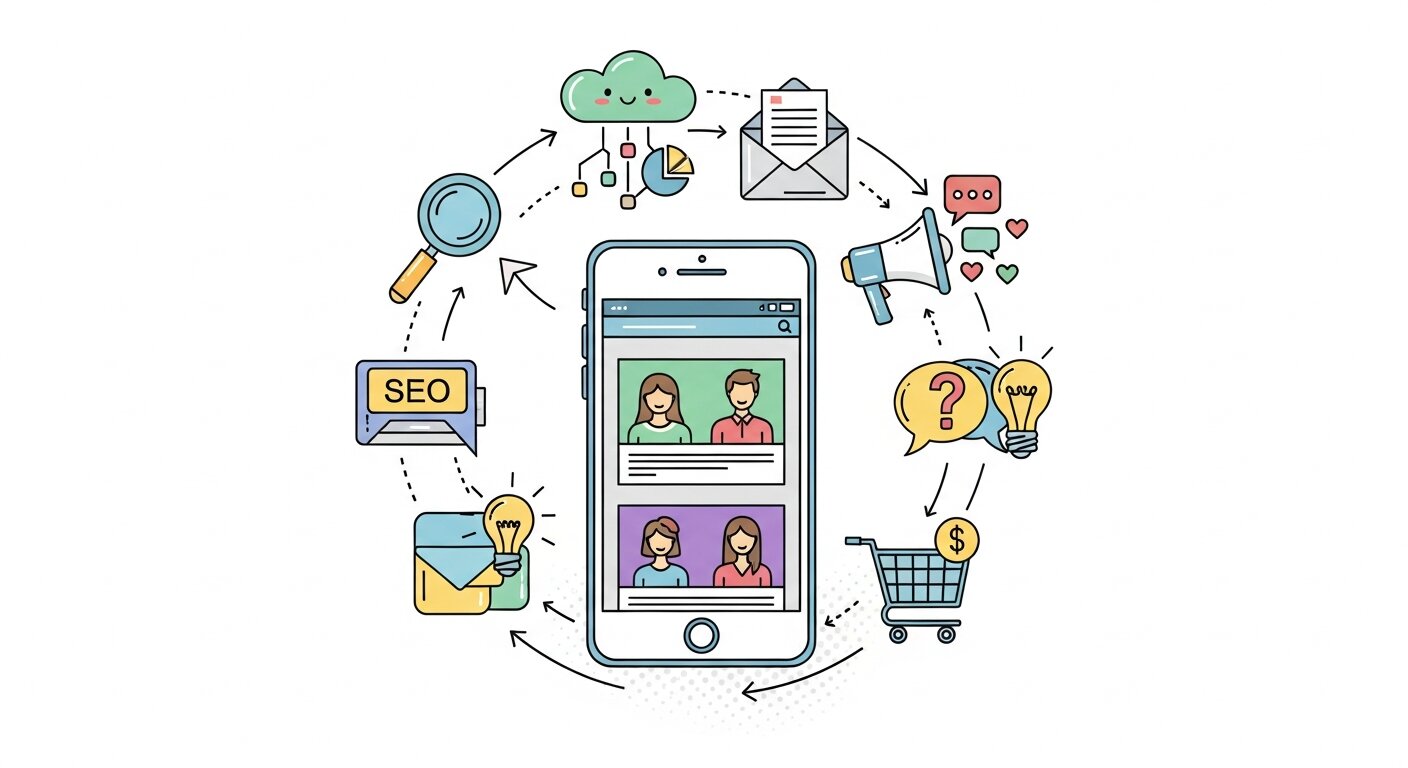
While responsive design ensures your website adapts to different screen sizes, true mobile-first thinking goes deeper. Mobile Inbound Marketing requires considering the full user experience from a mobile perspective. This means prioritizing the most critical information, simplifying navigation, and reducing friction at every step. The goal is creating experiences that feel natural on smaller screens, for users who are often in motion or multitasking. Learn more about mobile-first design principles to understand how to start.
Speed Optimization
Speed is a cornerstone of Mobile Inbound Marketing. Mobile users expect lightning-fast experiences, and Google research on page speed shows that as page load time increases from one to three seconds, bounce rates rise by 32%. Every millisecond counts. To optimize speed, compress images, leverage browser caching, minimize code, and consider accelerated mobile pages (AMP) where appropriate. Regular speed testing should be integrated into your optimization routine to ensure your mobile visitors aren’t left waiting.
Micro-Moment Marketing
Google identifies four critical micro-moments when consumers instinctively turn to their devices:
- “I want to know” moments
- “I want to go” moments
- “I want to do” moments
- “I want to buy” moments
Mobile Inbound Marketing thrives by identifying which micro-moments matter most to your audience. Creating content tailored to these moments ensures that users find exactly what they need at the precise time they need it. The key is understanding both context and intent. By anticipating these moments, brands can deliver highly relevant content that drives engagement, conversions, and loyalty. You can explore more on Google’s micro-moments research to understand the framework.
In conclusion, Mobile Inbound Marketing is about more than just a responsive website. It’s about designing the entire experience—from page speed to content strategy—specifically for mobile users. Brands that embrace this approach not only meet audience expectations but also gain a competitive edge in a mobile-first world. From optimizing load times to delivering content that aligns with micro-moments, Mobile Inbound Marketing enables companies to connect with users in meaningful, measurable ways.
By implementing Mobile Inbound Marketing best practices, businesses ensure that mobile visitors have a frictionless experience, turning casual browsers into engaged, loyal customers. Check out HubSpot’s guide on inbound marketing for additional insights.
Content Strategies for Mobile Inbound Success
Bite-Sized, Visual Content
Mobile users prefer content they can consume quickly. Break information into easily digestible chunks with clear headings, concise paragraphs, and bullet points. This approach enhances readability and aligns with Mobile Inbound Marketing principles, ensuring users can absorb key information without frustration. Learn more about content chunking strategies to improve mobile readability.
Visual elements play a critical role in engaging mobile audiences. Videos, infographics, interactive elements, and images optimized for smaller screens typically generate higher engagement rates on mobile devices. Vertical video formats are particularly effective, fitting naturally within device orientation and providing immersive experiences. Incorporating these media elements is a key component of effective Mobile Inbound Marketing. See Think with Google’s mobile video insights for trends and tips.
Voice Search Optimization
With the rise of voice assistants like Siri, Google Assistant, and Alexa, optimizing content for voice search has become a vital part of Mobile Inbound Marketing. Voice queries tend to be longer, conversational, and often in question form. To capture this traffic, focus on natural language phrases and long-tail keywords. Creating FAQ-style content can significantly increase visibility in voice search results while providing immediate value to mobile users.
Mobile Conversion Path Optimization
The path to conversion on mobile devices must be frictionless. Every additional click, scroll, or form field can increase abandonment rates dramatically. Simplicity wins in Mobile Inbound Marketing. Streamline mobile conversion journeys by implementing one-click actions, auto-fill capabilities, and alternative payment methods like Apple Pay or Google Pay. Reducing friction makes it easier for users to complete desired actions, improving results.
Measuring Mobile Marketing Effectiveness
To evaluate Mobile Inbound Marketing success, track metrics that reflect mobile behavior. Key indicators include session duration, bounce rate, conversion rate, page load time, voice search traffic, and cross-device journeys. Tools like Google Analytics allow segmentation by device type to identify opportunities for optimization. According to Adobe Digital Insights, brands that prioritize mobile experiences can see up to 80% higher engagement than competitors who have not embraced mobile-first strategies.
Progressive Implementation Strategy
Adopting a mobile-first approach is a process that requires careful planning. Begin with a mobile usability audit to pinpoint critical issues affecting user experience. This audit should analyze load times, navigation, content layout, and mobile-specific functionality. Next, focus on optimizing your highest-traffic pages, ensuring speed, responsive design, and streamlined navigation for on-the-go users.
After that, redesign key conversion paths to minimize friction on small screens. Test forms, buttons, and checkout processes for usability, and remove any unnecessary steps that could deter mobile users. Finally, develop content specifically formatted for mobile consumption, including short-form text, mobile-friendly visuals, and interactive elements that cater to the habits of mobile audiences. Each of these steps is essential for a comprehensive Mobile Inbound Marketing strategy, ensuring your website meets the expectations of mobile users while driving meaningful engagement and conversions.
By consistently integrating Mobile Inbound Marketing practices—optimizing content, speed, micro-moments, conversions, and analytics—businesses can create an experience tailored to the mobile-first world. Not only does this enhance user satisfaction, but it also positions your brand for long-term success in an increasingly mobile-dominated digital landscape.
The Future of Mobile Inbound Marketing
The mobile landscape continues to evolve at an unprecedented pace. Emerging technologies such as augmented reality, voice interfaces, and widespread 5G connectivity are reshaping the way consumers interact with brands on the go. These innovations create exciting opportunities for delivering highly engaging, context-driven experiences directly to mobile users. For marketers, staying ahead in this dynamic environment requires more than reactive updates—it demands proactive adaptation and forward-thinking strategies centered around mobile users. Mobile Inbound Marketing is the key framework for achieving this, as it aligns content, user experience, and conversion pathways with the needs and behaviors of mobile audiences.
Brands that embrace mobile-first thinking won’t merely survive—they’ll thrive. By meeting customers where they spend most of their time—on smartphones, tablets, and other mobile devices—businesses can build deeper engagement, foster loyalty, and drive meaningful conversions. Mobile Inbound Marketing ensures that every touchpoint, from discovery to purchase, is optimized for mobile consumption, delivering frictionless experiences that keep users coming back.
Taking Action
Shifting to mobile-first marketing is no longer optional in today’s digital landscape; it’s a fundamental requirement for reaching and engaging modern consumers effectively. The first step is to examine your current mobile experience through your customers’ eyes. Conduct audits that assess page load speeds, navigation simplicity, content readability, and overall user flow. Ask yourself critical questions: Where does the mobile experience excel? Where does it create frustration or friction? The insights gained from this evaluation are essential for shaping a comprehensive Mobile Inbound Marketing strategy that delivers value at every stage of the user journey.
Implementing Mobile Inbound Marketing involves not only optimizing website speed and responsiveness but also rethinking content formats, conversion paths, and micro-interactions to suit mobile behaviors. For example, consider leveraging voice search optimization, mobile-friendly videos, vertical formats, and interactive elements that engage users while they are on the move. Every improvement, no matter how small, contributes to a more seamless and satisfying mobile experience.
Furthermore, measuring success is a critical part of Mobile Inbound Marketing. Track mobile-specific metrics such as session duration, bounce rate, conversion rates, and engagement with interactive content. Continuously iterating based on this data ensures that your mobile experiences evolve alongside user expectations and emerging technologies.
Ultimately, Mobile Inbound Marketing is about more than just adapting your website to smaller screens—it’s about designing the entire journey with mobile users at the center. By committing to mobile-first principles, brands can create strategies that capture attention, drive engagement, and boost conversions no matter where their audience happens to be. The future belongs to organizations that integrate Mobile Inbound Marketing deeply into their operations, making mobile experiences seamless, intuitive, and delightfully engaging.
Frequently Asked Questions
What is Mobile Inbound Marketing?
Mobile Inbound Marketing is the practice of optimizing your content, website, and marketing strategies specifically for mobile users. It focuses on creating frictionless experiences that match the behavior and expectations of people on smartphones and tablets, from fast-loading pages to mobile-friendly content formats.
Why is mobile optimization so important?
Mobile users have short attention spans and high expectations. Research shows that 53% of users abandon websites that take more than three seconds to load. Mobile Inbound Marketing ensures your audience can access content quickly, navigate easily, and convert without friction.
How does Mobile Inbound Marketing differ from traditional inbound marketing?
While traditional inbound marketing targets desktop users, Mobile Inbound Marketing prioritizes the mobile experience. It emphasizes responsive design, speed, micro-moment engagement, mobile-friendly content, and streamlined conversion paths tailored to on-the-go users.
What are the key elements of a mobile-first strategy?
The main elements include responsive design, speed optimization, micro-moment marketing, mobile-friendly content, voice search optimization, frictionless conversion paths, and analytics tracking to measure mobile performance.
How can I optimize content for mobile users?
Break information into bite-sized chunks with headings, short paragraphs, and bullet points. Use videos, infographics, and interactive elements optimized for mobile viewing, including vertical video formats, which tend to generate higher engagement.
What is micro-moment marketing and why does it matter?
Micro-moments occur when users instinctively turn to their mobile devices with an immediate need, like “I want to know,” “I want to go,” “I want to do,” or “I want to buy.” Mobile Inbound Marketing leverages these moments to deliver targeted content that meets users’ needs in real time.
How do I optimize the mobile conversion path?
Streamline every step of the user journey. Use one-click actions, auto-fill forms, mobile payment options, and minimal clicks to reduce friction. Simplifying conversions leads to higher completion rates and better engagement.
How important is voice search optimization for Mobile Inbound Marketing?
With increasing voice assistant usage, optimizing for voice search is crucial. Voice queries are conversational and often framed as questions, so creating FAQ-style content and targeting long-tail keywords can boost visibility and engagement.
How can I measure the success of Mobile Inbound Marketing?
Track mobile-specific metrics such as session duration, bounce rate, mobile conversion rate, page load times, engagement with interactive content, and voice search traffic. Analytics tools like Google Analytics allow segmentation by device type to identify opportunities for improvement.
How do I implement Mobile Inbound Marketing gradually?
Start with a mobile usability audit to identify key issues, then optimize your high-traffic pages. Redesign conversion paths for mobile ease, create mobile-formatted content, and continuously monitor analytics to refine strategies. A progressive approach ensures a smooth transition to a fully mobile-first strategy.