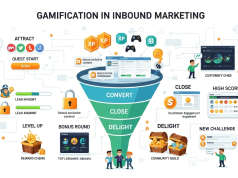

Podcast inbound marketing attracts, engages, and converts audiences through value-driven audio content. By educating, storytelling, and strategic promotion, brands build authority, grow loyal communities, nurture leads, and drive measurable inbound growth across every stage of the customer journey.
In today’s digital landscape, inbound marketing continues to evolve, and podcasts have emerged as one of the most compelling channels to attract, engage, and convert prospects. With over 200 million podcast listeners worldwide, audio content offers a unique opportunity to connect with audiences on a more personal level than traditional text or video marketing. Podcasts allow brands to showcase expertise, share valuable insights, and tell authentic stories that resonate with listeners. Beyond building authority, podcasts can drive brand awareness, increase website traffic, nurture leads, and strengthen customer loyalty. By integrating podcasting into your inbound marketing strategy, businesses can create meaningful engagement, reach niche audiences, and generate measurable growth across multiple marketing channels.
What Is Podcast Inbound Marketing?

Podcast inbound marketing integrates the principles of inbound methodology—Attract, Engage, Delight—into audio content. Rather than interrupting audiences with outbound ads, you provide value through informative, entertaining, or educational episodes that draw listeners into your funnel naturally.
Why Podcast Marketing Matters
Podcast marketing has become an essential tool for brands looking to engage audiences deeply and build long-term relationships. Its unique advantages make it a highly effective channel for inbound marketing:
- High Engagement Rates:
Listeners often spend 30 to 60 minutes per session tuning in, offering brands a rare opportunity to build meaningful rapport. This extended attention span allows for detailed storytelling and in-depth discussions that other formats can’t match. - Authority & Trust:
Consistently producing high-quality audio content positions your brand as a thought leader within your industry. By sharing insights, expert interviews, and actionable advice, you demonstrate credibility and expertise that fosters trust. - On-the-Go Accessibility:
Podcasts can be consumed anytime and anywhere—during commutes, workouts, or multitasking—allowing your content to reach audiences when traditional media cannot. - Repurposing Goldmine:
Each podcast episode generates multiple repurposable assets: transcripts for SEO, audiograms for social media, show notes for blogs, and short clips for email campaigns. This maximizes content reach and extends the life of your efforts.
Leveraging these advantages, podcast marketing enables brands to connect authentically, expand reach, and nurture listeners into loyal customers.
Planning Your Podcast Inbound Strategy
- Define Your Audience: Create detailed listener personas that cover demographics, pain points, and media consumption habits.
- Set Clear Goals: Align your podcast objectives with inbound stages—brand awareness, lead capture, and customer retention.
- Choose a Format: Interview shows, solo episodes, panel discussions, or narrative storytelling each offer unique benefits.
- Episode Cadence: Determine frequency and length—weekly 30–45 minute episodes are a common sweet spot.
- Channel Integration: Plan how episodes will fit into your blog, email newsletters, social media, and SEO strategy.
Creating Compelling Podcast Content
Producing engaging podcast episodes requires careful attention to scripting, audio quality, and storytelling. A well-crafted episode not only captures attention but also keeps listeners engaged and encourages them to take action. Follow these best practices to ensure each episode delivers value:
- Strong Hook:
Start with a question, surprising statistic, or compelling anecdote within the first 30 seconds. Capturing attention early increases the likelihood that listeners will stay for the full episode. - Value-Driven Structure:
Organize your content with a clear and logical flow: introduction, in-depth discussion, key takeaways, and a strong call to action. This structure keeps listeners engaged and ensures they understand and retain the main message. - High-Quality Audio:
Invest in a reliable microphone, pop filter, and sound editing software to ensure professional audio quality. Clear, crisp sound enhances credibility and makes your podcast more enjoyable to listen to. - Authentic Voice:
Let your brand personality shine through tone, pacing, and language. Audiences respond to hosts who sound natural, relatable, and genuine, creating a stronger connection with your content. - Guest Selection:
Invite industry experts, clients, or partners who provide fresh perspectives and enhance credibility. Strategic guest appearances can also expand your reach to new audiences and add depth to your episodes.
By applying these practices consistently, your podcast episodes will not only engage listeners but also build trust, authority, and long-term audience loyalty.
Promoting Your Podcast for Maximum Reach
 Even the most well-produced podcast won’t gain consistent traction without a strong and strategic promotion plan. Effective distribution ensures your episodes reach the right audience, generate steady downloads, and support your inbound marketing goals. Use the following proven tactics to maximize visibility and growth:
- Optimize for SEO:
Include targeted keywords in episode titles, descriptions, and show notes to improve discoverability on search engines and podcast platforms. Adding summaries, timestamps, and transcripts further boosts SEO performance and accessibility. - Leverage Social Media:
Promote each episode using audiograms, short video clips, behind-the-scenes content, and pull quotes across LinkedIn, Twitter (X), Instagram, and Facebook. Consistent posting increases reach, engagement, and sharing. - Cross-Promotion:
Expand your audience by appearing as a guest on complementary podcasts and inviting other hosts to your show. This exposes your brand to highly relevant, pre-qualified listeners. - Email Newsletters:
Feature every new episode in your email campaigns with a compelling teaser, key highlights, and a direct “Listen Now” button to drive repeat engagement from your subscriber base. - Paid Amplification:
Use targeted paid ads on social media platforms and podcast apps to accelerate audience growth. Even modest budgets can produce strong results when combined with organic promotion.
When organic promotion and paid amplification work together, your podcast gains consistent momentum, stronger engagement, and greater long-term inbound impact.
Integrating Your Podcast into the Inbound Funnel
To maximize your podcast’s impact, each episode should be strategically aligned with a stage of the inbound marketing funnel. This ensures your content not only attracts new listeners but also nurtures relationships, drives conversions, and strengthens customer loyalty over time.
- Attract (Top of Funnel):
Top-of-funnel episodes introduce big-picture industry topics, trends, and common challenges to a new audience. These episodes aim to raise awareness and educate potential listeners, helping them discover your brand naturally without heavy promotional tactics. - Engage (Middle of Funnel):
Mid-funnel episodes provide deep dives, expert interviews, case studies, and practical how-to discussions. This content helps prospects better understand their challenges, explore potential solutions, and positions your brand as a trusted authority in your niche. - Convert (Bottom of Funnel):
End-of-funnel episodes focus on specific solutions, product demos, implementation strategies, and actionable calls to action. These episodes encourage listeners to download gated resources, request demos, or make purchase decisions, directly influencing conversion rates. - Delight (Post-Conversion):
Delight-stage episodes nurture existing customers through bonus content, live Q&A sessions, community highlights, customer success stories, and product updates. This strengthens loyalty, increases retention, and turns customers into long-term brand advocates who actively promote your offerings.
By intentionally mapping your podcast content to each stage of the inbound funnel, you create a comprehensive and scalable audio strategy that drives measurable business growth.
Tools and Platforms for Podcast Marketing
- Recording & Editing: Audacity, Adobe Audition, or GarageBand for clean audio;
- Hosting & Distribution: Libsyn, Anchor, Podbean, or Buzzsprout syndicate to Apple Podcasts, Spotify, and Google;
- Transcription Services: Rev or Descript turn audio into shareable text for SEO and accessibility;
- Analytics & Tracking: Chartable, Podtrac, or native hosting insights measure downloads, listener demographics, and engagement;
- Design & Repurposing: Canva for audiograms, Headliner for waveform videos, and social schedulers for distribution.
Measuring Success: Key Metrics to Track
To evaluate ROI, monitor a blend of quantitative and qualitative metrics:
To accurately evaluate the return on investment (ROI) of your podcast inbound marketing efforts, it’s important to track a balanced mix of quantitative performance metrics and qualitative audience insights. These indicators help measure reach, engagement, and conversion impact.
- Downloads & Streams:
Track the total number of listens per episode over time to understand audience reach, consistency, and long-term growth trends. - Subscriber Growth:
Monitor new followers on podcast platforms to assess how effectively your show is building a loyal and recurring listener base. - Engagement Rate:
Analyze the average listen duration compared to the full episode length to evaluate content quality, audience interest, and retention levels. - Website Traffic:
Measure referral visits coming from podcast show notes, descriptions, or call-to-action links to determine how well your podcast drives inbound web traffic. - Lead Conversions:
Track gated content downloads, demo requests, email sign-ups, or contact form submissions that are directly attributed to podcast episodes to understand revenue potential. - Audience Feedback:
Review ratings, reviews, comments, and social mentions to gauge listener sentiment, brand credibility, and areas for improvement.
Regularly reviewing these metrics allows you to optimize your content strategy, improve promotion efforts, and maximize the overall business impact of your podcast.
Case Studies: Real Brands Winning with Podcasts
 Example 1: A B2B software provider launched a monthly thought-leadership podcast. By sharing customer success stories and expert panels, they increased qualified demo requests by 40% within six months.
Example 2: An e-commerce health brand used weekly product deep dives and nutrition interviews. Their email list grew 25% from exclusive podcast-only discounts and lead magnets.
Best Practices & Pro Tips
- Consistency is King: Stick to your publishing schedule to build listener habits.
- Repurpose Heavily: Turn transcripts into blog posts, quotes into social carousels, and highlights into short videos.
- Invite Collaboration: Partner with influencers or complementary brands for co-hosted episodes.
- Encourage Interaction: Solicit listener questions and feedback via social media or voicemail tools like SpeakPipe.
Optimize Continuously: Review analytics monthly, experiment with formats, and refine your CTA placement.
Crafting a Compelling Podcast Intro and Outro
The intro and outro of each episode are critical for engagement and brand recognition. A strong intro hooks listeners with a clear statement of what the episode covers, the value they’ll gain, and a brief introduction to the host. Keep it concise, energetic, and consistent across episodes to reinforce your brand voice. The outro should summarize key takeaways, thank listeners, and include actionable calls-to-action—such as subscribing, leaving reviews, or visiting your website for resources. Well-crafted intros and outros improve listener retention, create a professional impression, and provide clear guidance on next steps, which helps convert casual listeners into loyal subscribers and potential leads.
Guest Collaboration Strategies
Inviting industry experts, influencers, or clients as podcast guests can expand reach and enhance credibility. Prior to the interview, prepare questions that provide actionable insights and showcase your guest’s expertise. Promote guest episodes across both your channels and theirs to tap into new audiences. Encourage guests to share episodes with their networks, increasing downloads, engagement, and exposure. Post-interview, repurpose the conversation into blog posts, social media clips, or email highlights. Strategic guest collaborations foster trust, create valuable content, and strengthen professional networks. Regularly featuring well-known or niche-relevant guests positions your podcast as authoritative and attracts listeners who value expert perspectives.
Monetization Opportunities Through Podcasting
Podcasts can be a revenue-generating channel when integrated thoughtfully with inbound marketing. Sponsorships, affiliate partnerships, and product promotions can complement your content without disrupting listener experience. Offering premium content or bonus episodes through subscription models is another option to monetize loyal audiences. Lead magnets and exclusive resources tied to episodes encourage conversions while maintaining value delivery. Analytics help identify which episodes resonate most and drive revenue opportunities. By balancing monetization with listener-first content, your podcast becomes both a marketing and income-generating tool, supporting brand growth while providing measurable ROI for your audio marketing efforts.
Repurposing Podcast Content Across Channels
Each podcast episode is a rich source of content that can be repurposed to maximize reach. Convert episodes into blog posts, social media posts, audiograms, video snippets, and email newsletters. Use transcripts for SEO optimization on your website to capture organic search traffic. Highlight key quotes or insights as shareable graphics for Instagram or LinkedIn. Repurposing ensures content reaches different audience segments, accommodates varying consumption preferences, and extends the life of each episode. A strong cross-channel strategy reinforces your messaging, increases engagement, and attracts new listeners who may not initially encounter your podcast through traditional listening platforms.
Building a Podcast Community
Creating a dedicated community around your podcast enhances engagement and loyalty. Encourage listeners to join social media groups, Discord servers, or email newsletters where they can discuss episodes, ask questions, and provide feedback. Host live Q&A sessions or virtual meetups to foster interaction and make listeners feel heard. Reward active community members with shout-outs, exclusive content, or early access to episodes. A thriving community amplifies word-of-mouth promotion, increases listener retention, and nurtures prospects through the inbound funnel. Engaged listeners become advocates, helping spread your brand message organically while providing valuable insights for content improvement.
Conclusion
Podcast inbound marketing offers a powerful way to build trust, capture audience attention, and convert high-quality leads through meaningful, value-driven audio content. By planning strategically, producing high-impact episodes, promoting them across the right channels, and measuring performance consistently, you can transform your podcast into a scalable, long-term growth engine.
As competition for attention continues to rise, podcasts give your brand a unique voice—one that educates, inspires, and builds lasting relationships. Start your podcast journey today, stay consistent, and let your brand message resonate in the ears—and minds—of your ideal customers.
FAQ – Podcast Inbound Marketing
1. What is Podcast Inbound Marketing?
Podcast Inbound Marketing uses value-driven podcast content to attract, engage, convert, and delight audiences through education, storytelling, and relationship-building instead of traditional advertising.
2. Why is Podcast Inbound Marketing effective?
Podcast Inbound Marketing builds trust, increases engagement through long listening sessions, positions brands as thought leaders, and reaches audiences during daily activities like commuting and multitasking.
3. How does Podcast Inbound Marketing generate leads?
Podcast Inbound Marketing generates leads through gated resources, demos, email signups, exclusive offers, and strong calls to action linked directly from episodes.
4. What types of content work best for Podcast Inbound Marketing?
Interviews, expert panels, educational deep dives, customer success stories, and actionable tutorials perform best in Podcast Inbound Marketing.
5. How can Podcast Inbound Marketing be promoted effectively?
Podcast Inbound Marketing is promoted through SEO-optimized show notes, social media audiograms, email newsletters, cross-podcast guesting, and paid social or app-based advertising.
6. What metrics should be tracked in Podcast Inbound Marketing?
Downloads, subscriber growth, average listen time, website traffic, lead conversions, and listener reviews are key metrics for Podcast Inbound Marketing success.