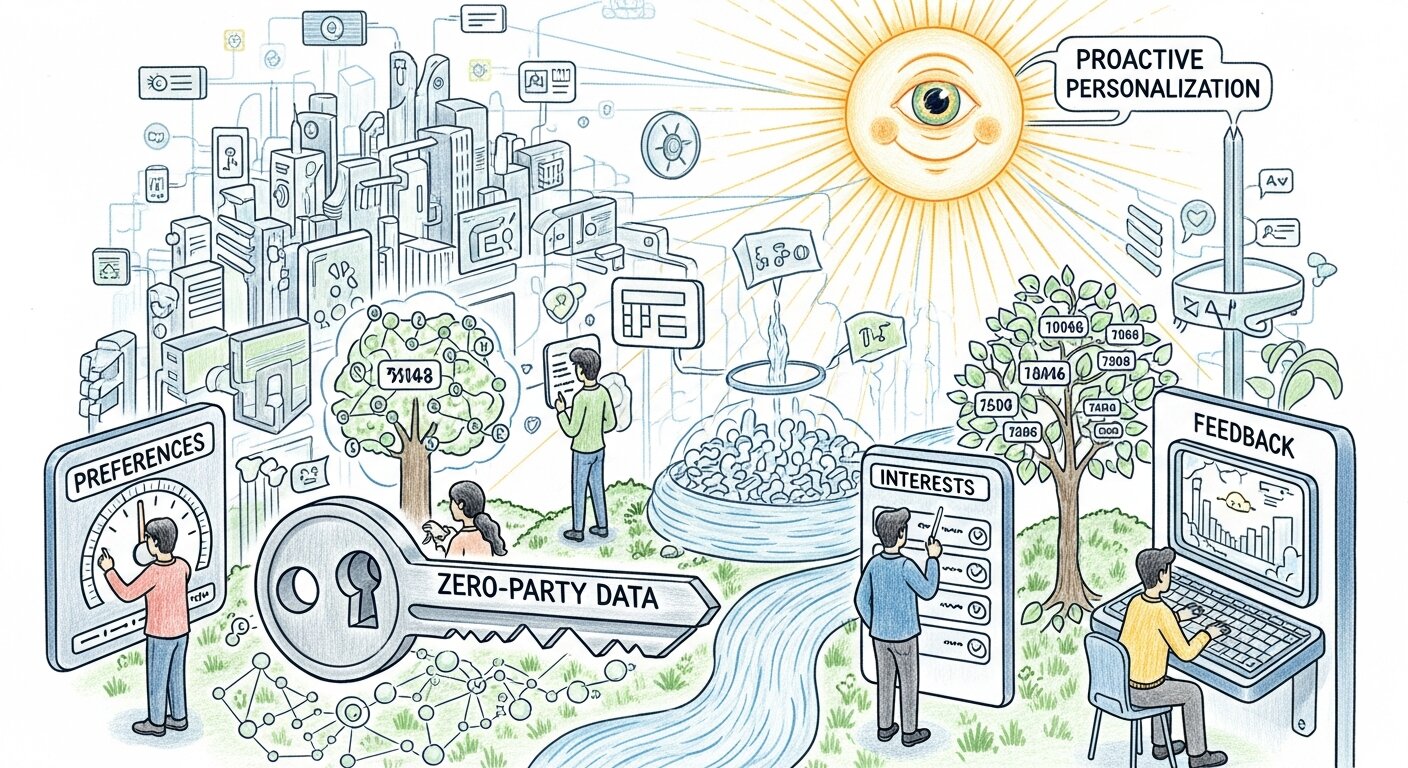
Zero-party data empowers brands to connect with customers more meaningfully. By implementing proactive personalization strategies, companies can anticipate needs, deliver relevant experiences, and build long-term trust. Investing in these strategies enhances engagement, retention, and competitive differentiation in today’s privacy-conscious landscape.
Zero-party data has emerged as a game-changer in modern marketing. Unlike traditional data collection methods that rely on assumptions or inferred behaviors, zero-party data is voluntarily shared by customers, providing clear insights into their preferences, intentions, and expectations. Leveraging this data enables brands to implement proactive personalization strategies, delivering highly relevant experiences that build trust, engagement, and loyalty.
Understanding zero-party data, its benefits, and how to use it effectively can be confusing for marketers, business owners, and even customers. Below are the 10 most frequently asked questions to help clarify its purpose, implementation, and value.
advantages that persist long after privacy regulations settle into their final forms.
Understanding the Zero-Party Data Revolution
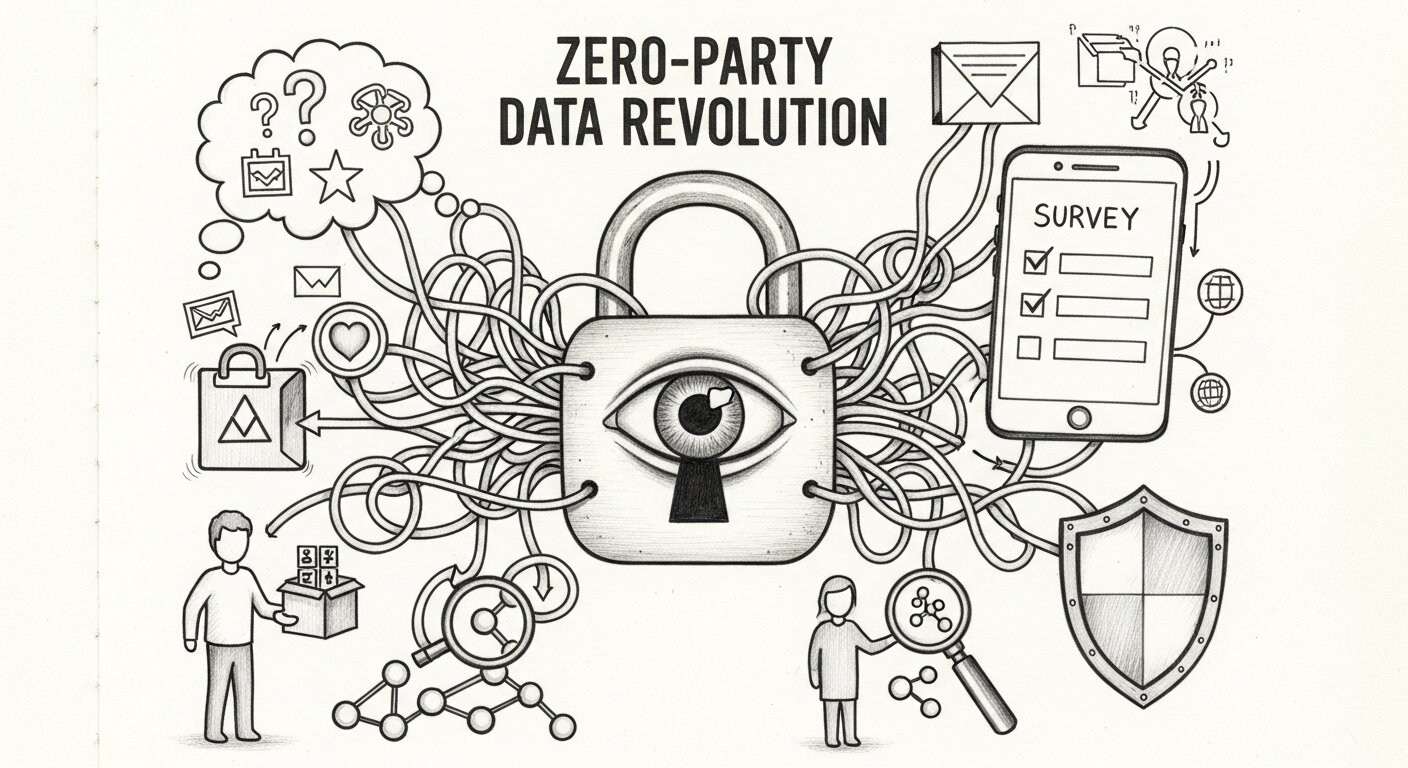
Zero-party data differs fundamentally from other data types because customers provide it intentionally and explicitly. Unlike behavioral tracking that infers preferences from actions, zero-party data captures direct customer communication about their needs, preferences, and future intentions. This clarity enables brands to implement proactive personalization strategies that are far more accurate than traditional approaches.
This direct communication eliminates the guesswork that plagues traditional personalization efforts. Instead of assuming someone likes hiking because they visited outdoor gear websites, brands can simply ask about their outdoor interests and receive detailed, accurate responses. By leveraging zero-party data in this way, companies can craft proactive personalization strategies that feel genuinely tailored to each individual.
The quality advantage becomes immediately apparent when comparing traditional behavioral insights with explicit customer preferences. Zero-party data provides context, nuance, and forward-looking intentions that behavioral data cannot match, regardless of how sophisticated the analysis algorithms become. Businesses that adopt proactive personalization strategies using zero-party data gain a competitive edge by engaging customers in meaningful, personalized ways.
Why Traditional Data Approaches Fall Short
First-party data, while valuable, still relies heavily on interpretation and assumption. Website behavior, purchase history, and engagement metrics tell incomplete stories about customer motivations and future needs. These data points capture what happened but rarely explain why or predict what comes next. Proactive personalization strategies, on the other hand, allow brands to anticipate customer needs based on explicit preferences rather than inferred behavior.
Privacy regulations have also made traditional data collection increasingly difficult and legally risky. GDPR, CCPA, and similar laws create compliance burdens that make behavioral tracking more expensive and complex to implement properly. By focusing on voluntary zero-party data collection, brands can safely employ proactive personalization strategies that respect privacy while still delivering highly relevant experiences.
Consumer awareness of data collection practices has grown dramatically, creating resistance to brands that rely on surveillance-based marketing approaches. Modern consumers expect transparency about data use and increasingly favor businesses that respect their privacy preferences. Proactive personalization strategies that prioritize consent and transparency are more likely to build trust and long-term loyalty.
The Psychology of Voluntary Data Sharing
People willingly share personal information when they perceive clear value in return. This value doesn’t always mean monetary rewards or discounts. Often, customers share data in exchange for better experiences, more relevant content, or products that better meet their specific needs. Proactive personalization strategies can highlight this value by showing customers how their input directly improves their experience.
Trust plays a crucial role in voluntary data-sharing decisions. Customers must believe that brands will use their information responsibly and won’t share it inappropriately with third parties. Building this trust requires consistent demonstration of data stewardship rather than just privacy policy promises. Companies that implement proactive personalization strategies transparently reinforce this trust by showing customers exactly how their preferences are being applied.
Timing significantly affects willingness to share information. Customers are most receptive to data-sharing requests immediately after positive brand experiences or when they’re actively seeking solutions to specific problems. Understanding these optimal moments increases response rates dramatically. Brands can use this insight to deploy proactive personalization strategies at the most impactful points in the customer journey.
Finally, businesses that embrace zero-party data and integrate it into proactive personalization strategies see stronger engagement, higher conversion rates, and long-term loyalty. By combining direct customer insights with timely, context-aware interactions, proactive personalization strategies transform generic marketing into highly meaningful customer experiences that drive growth and satisfaction.
Creating Compelling Value Exchanges
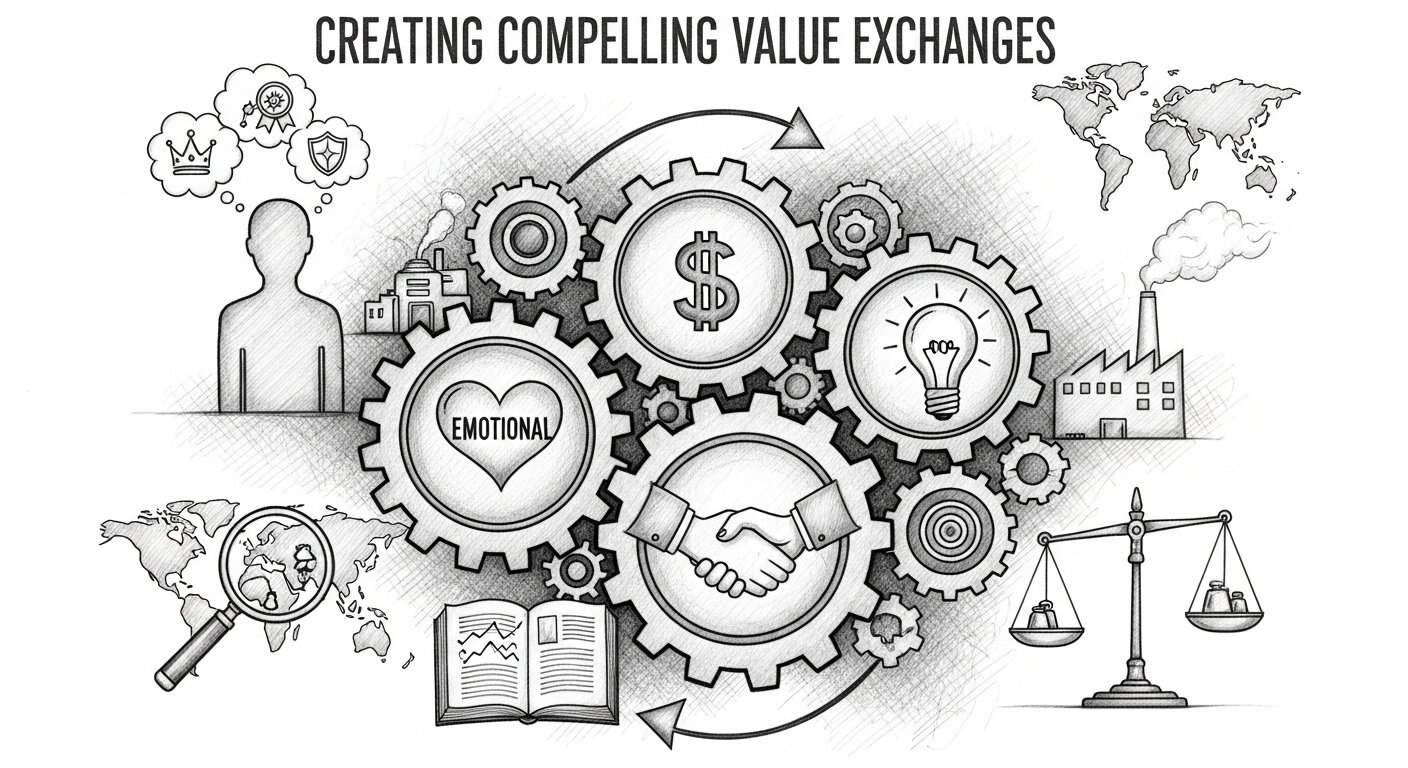
Creating compelling value exchanges is essential for successful zero-party data collection. Customers are more willing to share their preferences and intentions when they clearly understand what they will receive in return. Instead of offering generic discounts, brands should provide meaningful benefits such as personalized recommendations, exclusive content, early access to products, or tailored solutions. When the value is directly connected to the information requested, trust increases and proactive personalization strategies become more effective and sustainable.
Successful Zero-Party Data Strategies
Successful zero-party data strategies begin with identifying what customers actually want in exchange for their information. Generic discounts or promotional offers rarely motivate detailed sharing because they do not clearly connect the information requested to meaningful benefits. Instead, brands must offer value that demonstrates a direct relationship between sharing data and receiving better experiences. This is where proactive personalization strategies become crucial, allowing companies to convert explicit customer preferences into actionable insights that enhance engagement.
Personalized product recommendations based on detailed preference data create obvious value connections. When customers share specific style preferences, lifestyle needs, or usage patterns, they can immediately see how this information leads to more relevant product suggestions. By implementing proactive personalization strategies, brands can ensure these recommendations are not only accurate but also delivered at the right time, creating stronger emotional connections with customers.
Exclusive access to relevant content, early product launches, or specialized services provides another compelling value proposition. Customers who share detailed interests receive content and opportunities perfectly aligned with their stated preferences, creating positive reinforcement for continued engagement. When zero-party data is leveraged in proactive personalization strategies, each interaction feels intentional, helping build loyalty and long-term trust.
Proactive Inbound Personalization Strategies
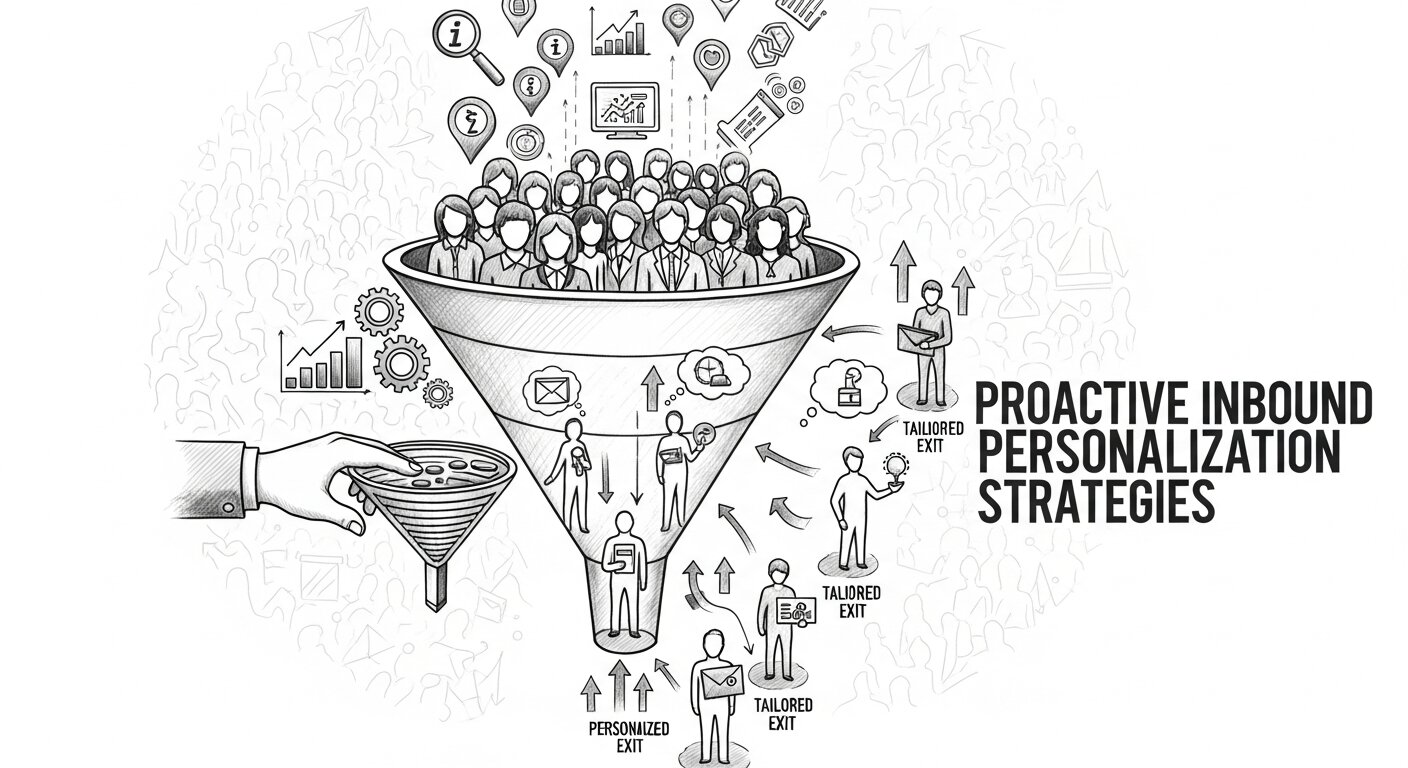
Traditional inbound marketing waits for customers to find brands through search, organic content discovery, or campaigns. Proactive inbound personalization strategies take a different approach: they use zero-party data to anticipate needs and deliver relevant experiences before customers explicitly seek them out. By acting on explicit customer intentions, brands can move from reactive marketing to truly predictive engagement.
This approach requires a sophisticated understanding of customer journeys and lifecycle stages. Zero-party data reveals where customers are in their decision-making processes, enabling brands to provide the right information and resources at exactly the right moments. Integrating proactive personalization strategies ensures that content and offers feel naturally aligned with each stage, increasing satisfaction and conversion potential.
Predictive personalization becomes possible when customers share future intentions and goals. Instead of reacting solely to past behavior, brands can prepare for upcoming needs and position themselves as supportive partners in achieving customer objectives. Leveraging proactive personalization strategies in this way turns marketing into a partnership with the customer rather than just a transactional interaction.
Building Trust Through Transparency
Transparency about data use is essential for successful zero-party data programs. Customers need clear explanations of how their information will be used, who will have access to it, and what benefits they can expect in return. Brands that communicate openly create a foundation for long-term trust, which is vital for implementing proactive personalization strategies effectively.
Data minimization principles further reinforce trust by requesting only information that directly improves customer experiences. Asking for excessive or irrelevant information can create suspicion and reduce participation rates. When brands integrate these practices into proactive personalization strategies, customers feel safe sharing information and more confident that their data is being used responsibly.
Regular communication about how customer data has been applied to improve their experiences reinforces the value exchange and encourages continued participation. Sharing success stories or examples of tailored recommendations highlights tangible benefits. This transparency strengthens engagement and encourages ongoing use of proactive personalization strategies throughout the customer lifecycle.
Implementation Without Third-Party Dependencies
Zero-party data collection requires robust first-party infrastructure that doesn’t rely on external tracking technologies or third-party data brokers. This independence gives brands greater control over data quality, compliance with privacy regulations, and more effective execution of proactive personalization strategies.
Progressive profiling techniques allow brands to gather detailed information over time without overwhelming customers with lengthy forms. Each interaction can request small amounts of additional information, gradually building comprehensive profiles across multiple touchpoints. This incremental approach complements proactive personalization strategies by continuously refining recommendations and content delivery.
Integration between marketing tools, customer service platforms, and sales systems ensures zero-party data benefits every customer interaction. Siloed information reduces the perceived value of sharing and limits personalization effectiveness. By connecting data across all touchpoints, brands can fully leverage proactive personalization strategies, delivering seamless, contextually relevant, and highly satisfying experiences that strengthen loyalty and drive growth.
Measuring Success in Zero-Party Data Programs
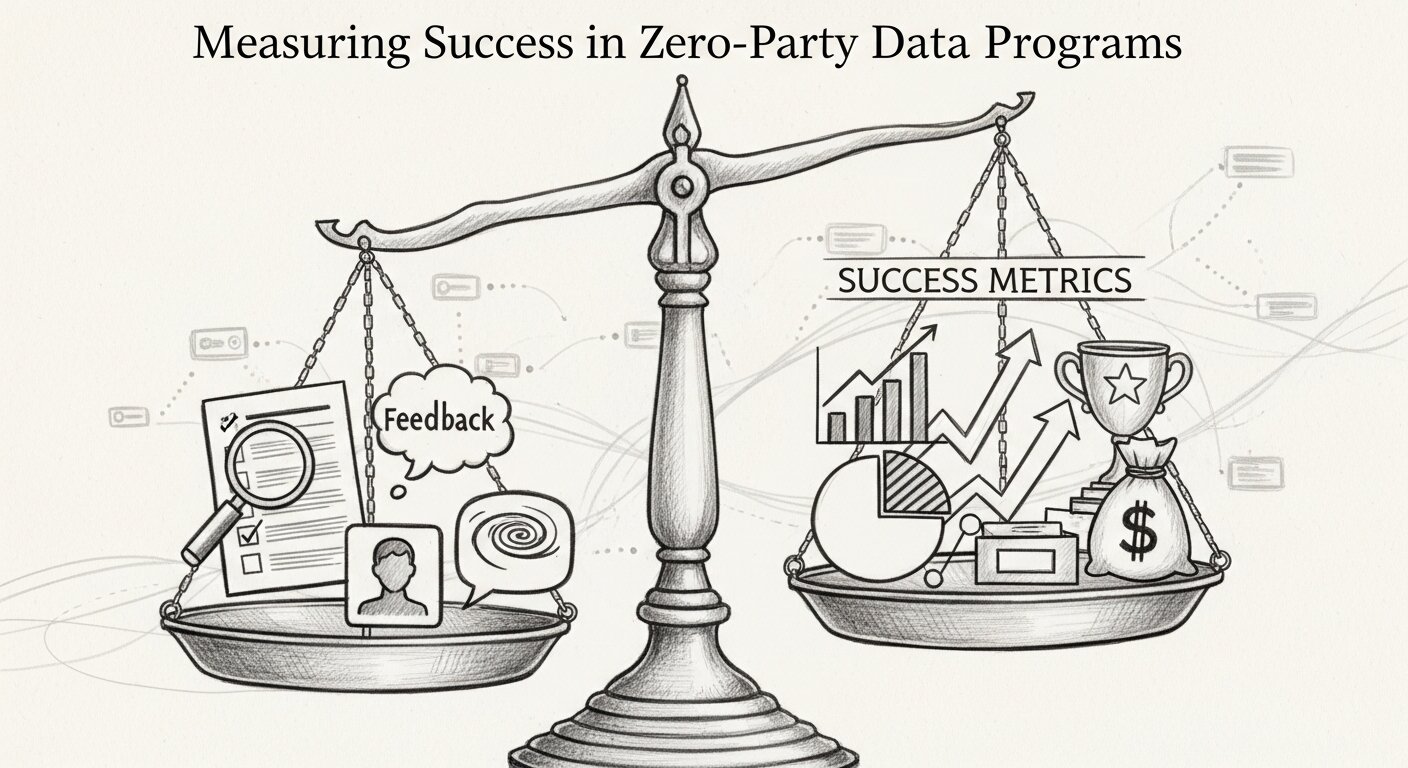 Zero-party data programs require different success metrics than traditional marketing campaigns. Participation rates, data quality scores, and customer satisfaction with personalized experiences provide better indicators of effectiveness than click-through rates or conversion percentages alone. While traditional campaigns often focus on short-term performance, zero-party data emphasizes long-term engagement and relationship building. Proactive personalization strategies thrive under these metrics, as their impact is most visible in sustained customer interactions rather than one-time clicks.
Long-term customer lifetime value (CLV) typically increases with zero-party data programs as personalization improves over time. These improvements may take months to appear in traditional KPIs, but they create substantial competitive advantages. Brands that consistently implement proactive personalization strategies using zero-party data can cultivate loyal, repeat customers who view their interactions as highly relevant and valuable.
Customer retention and engagement depth often improve more dramatically than new customer acquisition rates. Zero-party data excels at strengthening existing relationships rather than merely attracting new prospects. Proactive personalization strategies enable brands to deepen these connections by delivering tailored experiences that reflect customers’ explicit preferences, goals, and future intentions.
Advanced Personalization Techniques
Dynamic content personalization becomes incredibly sophisticated when powered by explicit customer preferences rather than inferred behaviors. Email campaigns, website experiences, and product recommendations can adapt in real-time based on stated customer needs and interests. This level of precision ensures proactive personalization strategies consistently deliver content that resonates with each customer individually.
Contextual personalization goes one step further by considering not just customer preferences, but also their current situation, goals, and constraints. Zero-party data often includes this context, which behavioral tracking cannot capture, allowing brands to provide more nuanced and helpful experiences. For example, a customer sharing their upcoming travel plans may receive personalized packing guides, travel accessories, or location-specific offers—demonstrating the power of proactive personalization strategies to anticipate needs.
Predictive personalization uses customer-shared future intentions to anticipate needs and proactively provide relevant resources. By leveraging zero-party data, brands can position themselves as trusted partners, offering solutions before customers even realize they require them. Proactive personalization strategies transform this foresight into action, helping brands stand out in crowded marketplaces and reinforcing trust with each interaction.
For businesses ready to implement comprehensive zero-party data strategies that drive genuine customer engagement, specialized tools and methodologies exist to facilitate success. Platforms such as Inbound Marketo provide frameworks designed specifically for building trust-based data relationships that deliver exceptional proactive personalization strategies, helping teams turn explicit customer input into measurable business outcomes.
Overcoming Implementation Challenges
Implementing zero-party data programs comes with unique challenges compared to traditional marketing approaches. Technology infrastructure requirements are higher, as customer data platforms, advanced segmentation tools, and real-time personalization engines become essential rather than optional. Successfully executing proactive personalization strategies depends on these systems working seamlessly together to deliver personalized experiences across all customer touchpoints.
Staff training needs also increase significantly. Teams must develop new analytical skills and communication techniques to interpret explicit customer communications, design compelling value exchanges, and apply insights effectively. Unlike behavioral data, which infers preferences, zero-party data demands a direct, human-centered approach. Proactive personalization strategies require team members to think strategically about how every interaction contributes to deeper engagement.
Legal and compliance considerations multiply with zero-party data because explicit consent requirements are stricter than implied consent used for behavioral tracking. While this adds complexity, it also provides stronger legal protection when implemented correctly. Transparent privacy practices are not only necessary for compliance—they are essential to maintaining customer trust, which is a cornerstone of effective proactive personalization strategies.
Future-Proofing Your Data Strategy
Privacy regulations are expected to become increasingly restrictive, making zero-party data strategies more valuable compared to traditional behavioral tracking. Brands that invest in these capabilities now will enjoy competitive advantages as legal requirements tighten. Proactive personalization strategies designed around explicit, consented data ensure businesses remain compliant while still delivering highly relevant customer experiences.
Customer expectations for personalization continue to rise, while tolerance for surveillance-based marketing decreases. Zero-party data approaches align naturally with these evolving expectations, offering transparency, relevance, and trust. Companies that adopt proactive personalization strategies using zero-party data can meet and exceed these expectations, creating experiences that feel intentional rather than intrusive.
Competitive differentiation through personalization becomes possible when brands have access to insights that competitors cannot easily replicate. Zero-party data creates these unique advantages because it depends on genuine customer relationships rather than technology-based tracking. Proactive personalization strategies turn these relationships into actionable experiences that not only increase engagement but also strengthen loyalty and brand advocacy over time.
In summary, businesses that embrace zero-party data and integrate proactive personalization strategies at every stage—from collection to engagement to prediction—position themselves for long-term success. These strategies enhance customer satisfaction, deepen engagement, ensure compliance, and future-proof marketing initiatives against shifting regulations and rising consumer expectations.
Building Long-Term Customer Relationships
Zero-party data programs inherently focus on long-term relationship building rather than short-term conversion optimization. This approach aligns with changing customer expectations and creates more sustainable business growth.
Customer advocacy often emerges from zero-party data programs as customers appreciate brands that respect their privacy while delivering exceptional personalized experiences. These advocates become valuable marketing assets that traditional approaches cannot easily replicate.
The transition from surveillance-based marketing to consent-based personalization represents more than just a tactical change. It reflects a fundamental shift toward customer-centric business models that prioritize trust, value creation, and mutual benefit over short-term sales optimization. Companies that embrace this evolution position themselves for sustainable success in an increasingly privacy-conscious marketplace.
Frequently Asked Questions
What is zero-party data?
Zero-party data is information that customers intentionally and proactively share with a brand, including preferences, interests, and future intentions. It is different from first-party or third-party data because it comes directly from the customer rather than being inferred.
How does zero-party data differ from first-party data?
First-party data is collected through user behavior on websites, apps, or purchase history, often requiring interpretation. Zero-party data is explicitly provided by the customer, offering more accurate and actionable insights for proactive personalization strategies.
Why is zero-party data important for marketing?
Zero-party data enables brands to deliver personalized experiences that truly match customer preferences. It helps build trust, improves engagement, and allows marketers to use proactive personalization strategies to anticipate customer needs rather than guess.
What are proactive personalization strategies?
Proactive personalization strategies use zero-party data to deliver timely, relevant, and tailored experiences before customers explicitly seek them. This approach goes beyond reactive personalization by anticipating needs and providing value at the right moment.
How can brands collect zero-party data?
Brands can collect zero-party data through surveys, preference centers, quizzes, interactive content, loyalty programs, and feedback forms. The key is offering clear value in exchange for the information.
How do zero-party data programs improve customer retention?
By using explicit customer preferences, brands can deliver more relevant and satisfying experiences, increasing engagement, loyalty, and long-term retention. Proactive personalization strategies ensure customers feel heard and valued.
Are there privacy concerns with zero-party data?
Zero-party data is explicitly shared with customer consent, so privacy concerns are lower than with behavioral tracking. Transparency about usage and robust data protection practices remain essential to maintaining trust.
What technology is needed for zero-party data programs?
Successful programs often rely on customer data platforms, real-time personalization engines, progressive profiling tools, and integrated marketing systems to implement proactive personalization strategies effectively.
Can zero-party data improve sales conversions?
Yes. By aligning products, content, and offers with explicit customer preferences, zero-party data enhances relevance and engagement, often leading to higher conversions. Proactive personalization strategies amplify these results by anticipating customer needs.
How do companies measure success with zero-party data?
Metrics such as participation rates, data quality scores, customer satisfaction, retention, engagement depth, and long-term lifetime value are more indicative of success than traditional click-through or conversion rates alone.