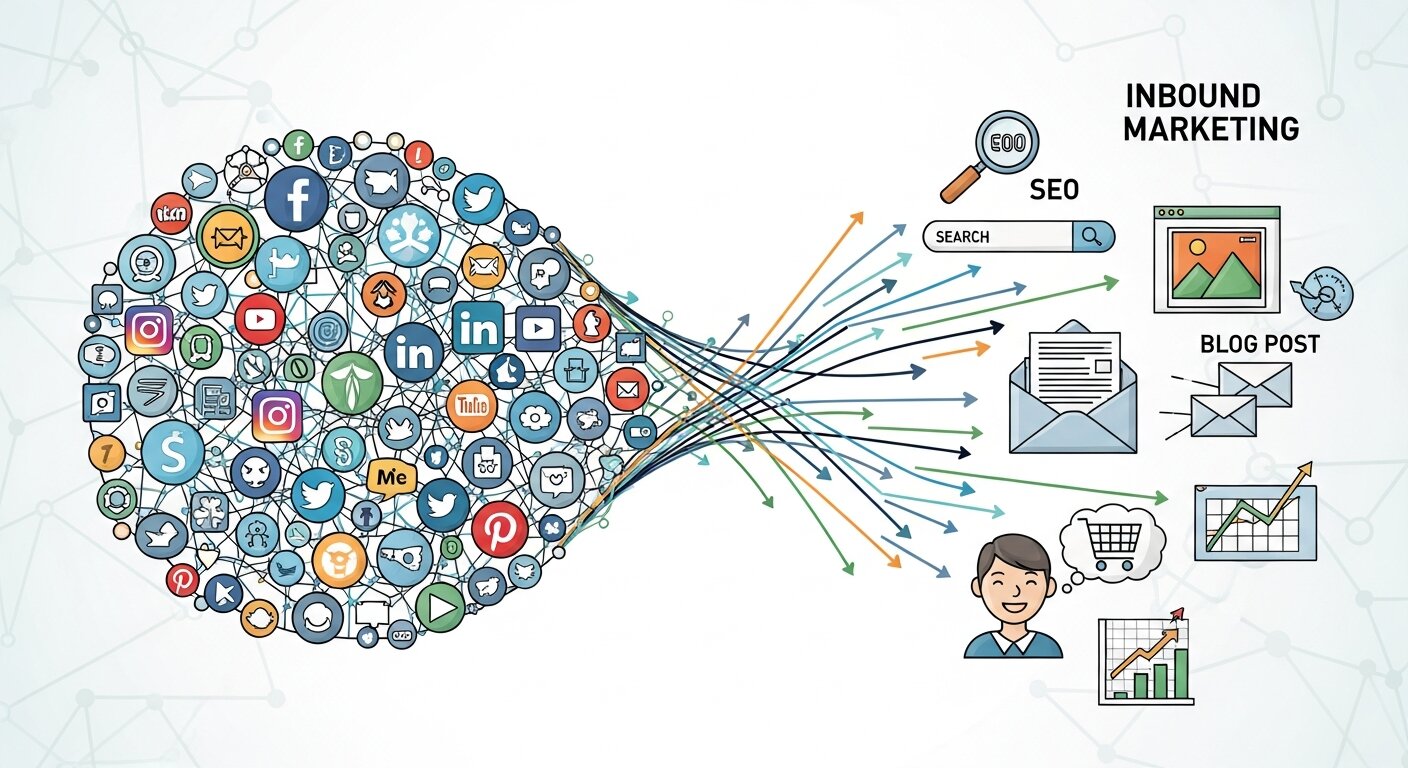
Social media inbound marketing attracts, engages, and delights customers through valuable content and authentic relationships built on platforms where audiences already gather, creating measurable business growth.
The Role of Social Media in Inbound Marketing
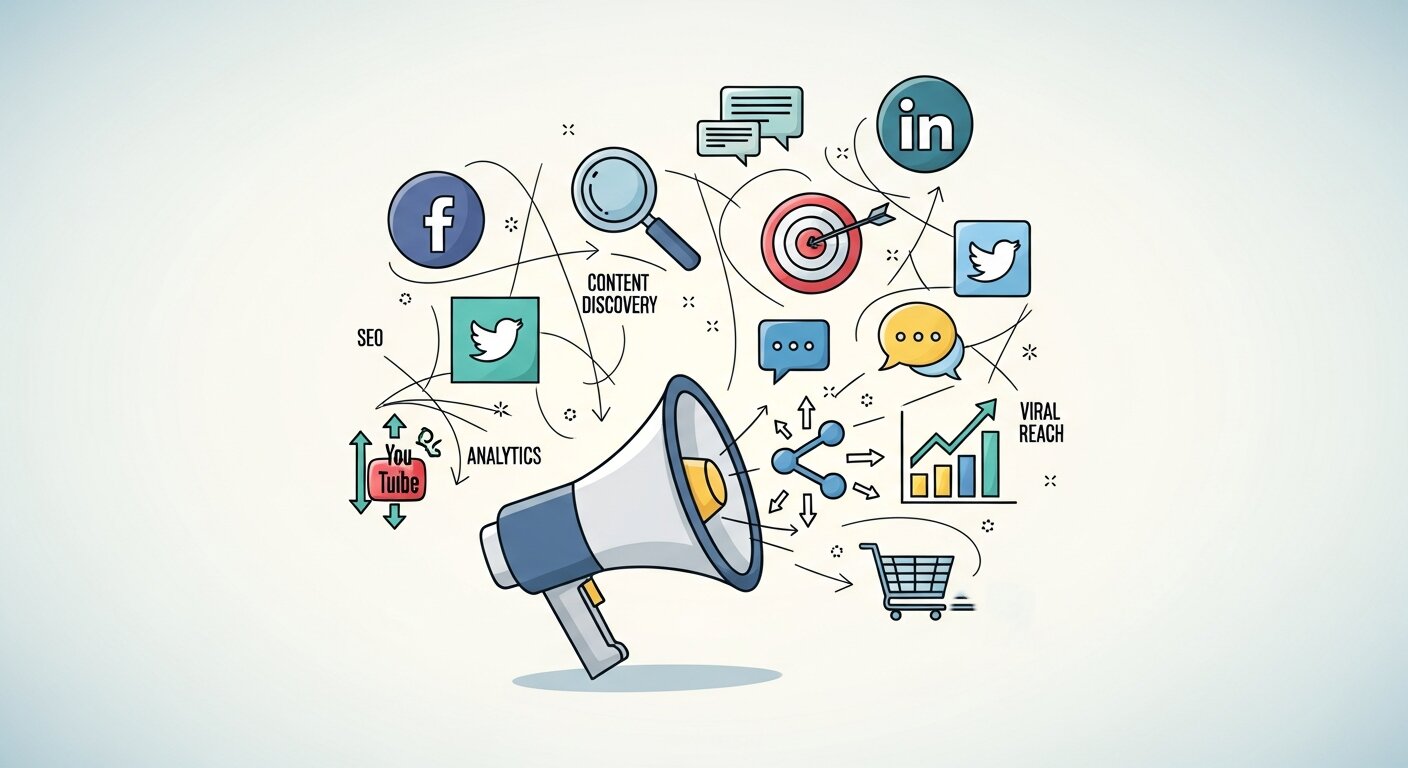
In today’s digital landscape, social media is more than just a platform for sharing updates—it’s a critical component of any inbound marketing strategy. By connecting with audiences where they spend their time, businesses can attract prospects, build relationships, and nurture leads throughout the buyer’s journey. Social media channels allow brands to showcase expertise, engage in meaningful conversations, and provide valuable content that educates and inspires. When integrated thoughtfully with inbound marketing tactics like content marketing, SEO, and email nurturing, social media becomes a powerful driver of website traffic, lead generation, and long-term customer loyalty. Understanding why social media matters—and how to measure its impact—sets the foundation for a strategy that delivers measurable results and sustainable growth.
Why Social Media Matters for Inbound Marketing
Social media has fundamentally changed how businesses attract, engage, and convert customers. For companies investing in inbound marketing, platforms like Facebook, LinkedIn, Instagram, and Twitter aren’t optional—they’re essential channels for reaching audiences where they already spend their time.
Inbound marketing focuses on creating valuable content that pulls people toward your brand, rather than interrupting them with traditional advertising. Social media amplifies this approach by distributing content, fostering conversations, and building relationships at scale. When integrated thoughtfully, social platforms transform how brands deliver value, nurture leads, and drive measurable business results.
This comprehensive guide explores why social media inbound marketing deserves a central place in your strategy. We’ll examine how social channels support every stage of the buyer’s journey, the specific benefits they offer, and actionable tactics for maximizing their impact on your inbound efforts.
How Social Media Supports the Inbound Methodology
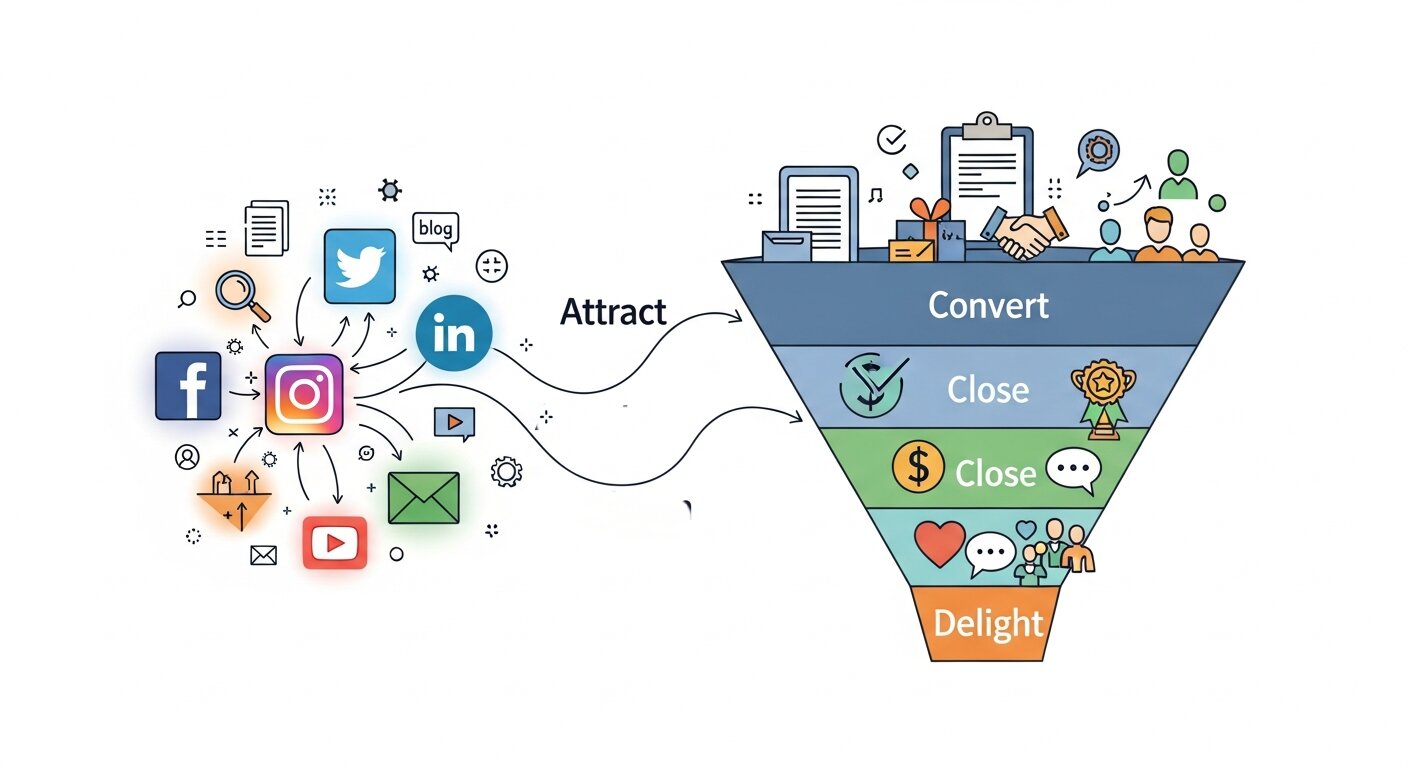
Social media plays a distinct role in each phase, helping brands move prospects through the funnel while building lasting relationships based on inbound marketing methodology.
Attracting the Right Audience
Social platforms give your content immediate visibility among your target audience. When you share blog posts, videos, infographics, or other valuable resources, you’re not just broadcasting information—you’re starting conversations with people actively seeking solutions to their problems through social media marketing.
Effective attraction through social media inbound marketing requires understanding where your audience congregates and what content formats resonate with them. LinkedIn might be ideal for B2B thought leadership articles, while Instagram Stories could better showcase product demonstrations for consumer brands. Each platform offers unique opportunities to capture attention and drive traffic back to your owned properties.
Social algorithms reward content that sparks genuine engagement. Posts that generate comments, shares, and meaningful interactions receive broader organic reach, effectively amplifying your message without additional ad spend. This creates a virtuous cycle supported by strong social media engagement.
Engaging and Converting Leads
Once you’ve attracted visitors, social media helps nurture these relationships through ongoing engagement. This middle stage is where many marketing strategies falter, but social platforms offer multiple touchpoints to guide prospects toward conversion using lead nurturing strategies.
Social listening tools allow you to monitor conversations about your brand, industry, and competitors. By responding to questions, addressing concerns, and participating in relevant discussions, you position your company as a helpful resource rather than just another vendor. This consultative approach builds trust and credibility—two essential ingredients for conversion.
Retargeting campaigns on social platforms enable you to re-engage website visitors who didn’t convert on their first interaction. By serving tailored content based on their previous behavior, you can address specific objections or interests, moving them closer to a purchase decision.
Social proof plays a powerful role in engagement and conversion. User-generated content, customer testimonials, and community discussions provide third-party validation that traditional marketing messages cannot match.
Delighting Customers for Long-Term Growth
The inbound methodology doesn’t end at conversion. Delighting customers turns them into promoters who actively recommend your brand to others through customer retention strategies.
Customer service interactions on social channels offer opportunities to exceed expectations publicly. When you resolve issues quickly and professionally where others can see, you demonstrate commitment to customer satisfaction.
Exclusive online communities give customers a sense of belonging and insider access. Whether through Facebook Groups, LinkedIn communities, or branded forums, these spaces allow customers to connect with each other, share best practices, and provide feedback directly to your team.
Encouraging and amplifying brand advocacy transforms satisfied customers into brand ambassadors. When customers share their experiences, success stories, or creative uses of your products, they’re essentially providing authentic testimonials to their own networks.
Key Benefits of Social Media for Inbound Marketing
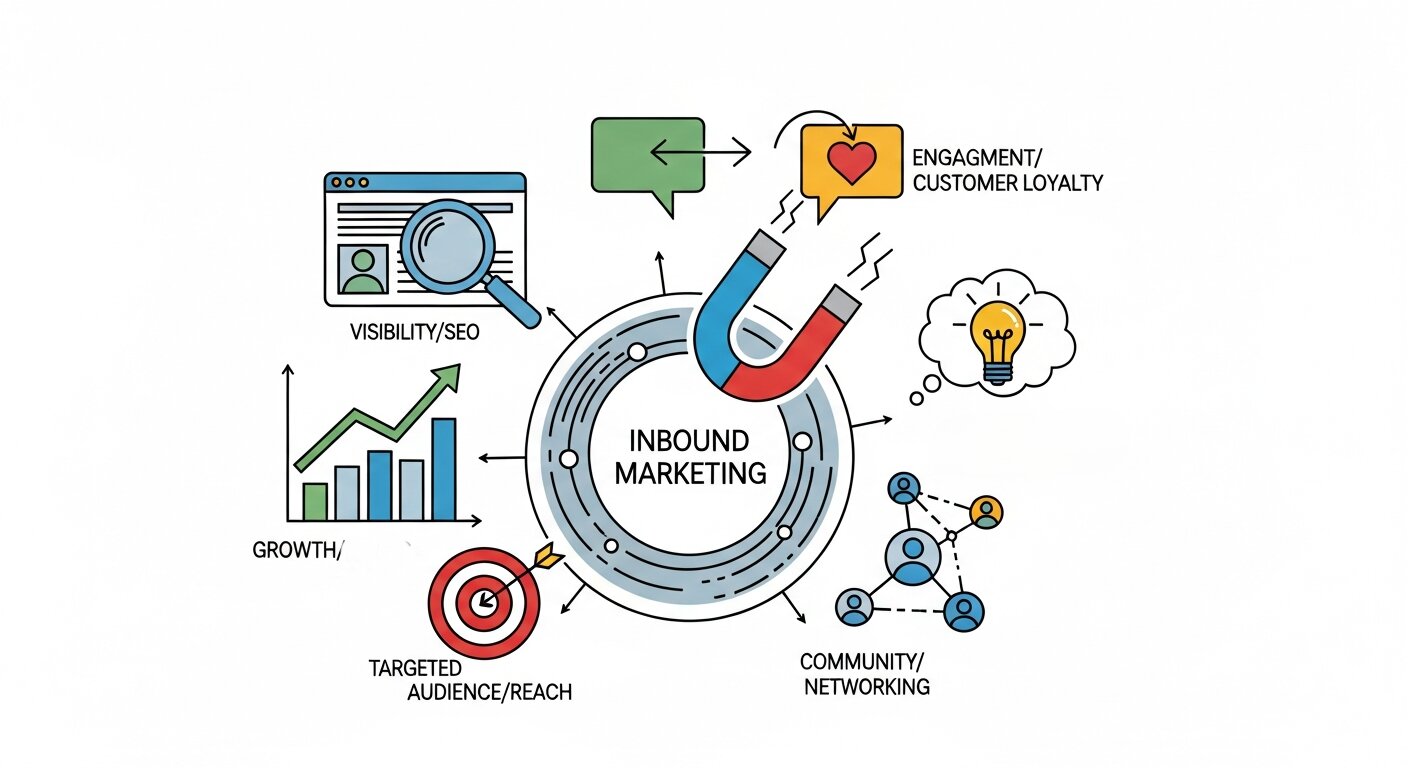
Understanding why social media matters requires examining the specific advantages these platforms offer inbound marketers. The benefits extend far beyond simple content distribution.
Enhanced Content Distribution and Reach
Social platforms dramatically expand your content’s potential reach. A single blog post shared across multiple channels can generate traffic from dozens or hundreds of sources as followers share, comment, and engage. This multiplier effect makes social media one of the most efficient distribution channels for content marketing.
Hashtag strategies and platform-specific features like LinkedIn articles or Twitter threads allow you to tap into existing conversations and interest communities. By aligning your content with trending topics or industry discussions, you increase discoverability among people already interested in related subjects.
Social sharing also creates valuable backlink opportunities. When your content resonates with influencers or industry publications, they may reference or link to it, improving your SEO performance and driving referral traffic. These earned links carry more weight than paid placements, both algorithmically and in terms of audience trust.
Real-Time Audience Insights and Feedback
Social platforms provide immediate feedback on what resonates with your audience. Engagement metrics, comment sentiment, and sharing patterns reveal which topics, formats, and messages generate the strongest response. This real-time data informs content strategy far more quickly than traditional market research methods.
Social listening tools uncover questions your audience is asking, pain points they’re experiencing, and language they use to describe problems. These insights help you create content that directly addresses real needs using terminology that feels natural to your target market. The result is more relevant, effective content that drives stronger engagement and conversion.
Competitive intelligence gathered from social media helps you identify gaps in the market and opportunities to differentiate. By monitoring competitors’ social presence, you can see what’s working for them, where they’re struggling, and how you might position your brand differently. This competitive awareness sharpens your overall inbound strategy.
Cost-Effective Lead Generation
Compared to traditional outbound tactics like cold calling or purchased email lists, social media inbound marketing offers significantly better ROI for lead generation. Organic social strategies require time and expertise but minimal financial investment, making them accessible to businesses of all sizes.
Even paid social advertising typically costs less than traditional media while offering superior targeting capabilities. You can reach precisely defined audiences based on demographics, interests, behaviors, and even life events. This precision reduces wasted ad spend and improves conversion rates by ensuring your message reaches genuinely interested prospects.
The compound effect of consistent social media activity increases its value over time. Each piece of content you share, every relationship you build, and all engagement you generate contributes to growing momentum. Unlike one-off advertising campaigns that stop producing results when spending ends, a strong social presence continues attracting and converting leads indefinitely.
Improved Brand Authority and Trust
Regular, valuable contributions to social conversations position your brand as a knowledgeable industry resource. When prospects repeatedly encounter your insights, perspectives, and helpful content, they begin viewing your company as an authority worth trusting.
Transparency on social media humanizes your brand. Behind-the-scenes content, employee spotlights, and candid communication about challenges or lessons learned create authentic connections that transcend typical vendor relationships. This authenticity proves increasingly important as consumers grow more skeptical of traditional marketing messages.
Thought leadership content shared through social channels establishes individual team members as experts, which reflects positively on your organization. When your executives, subject matter experts, or even customer service representatives consistently provide value, they build personal brands that drive business opportunities.
Strategic Approaches to Social Media Inbound Marketing
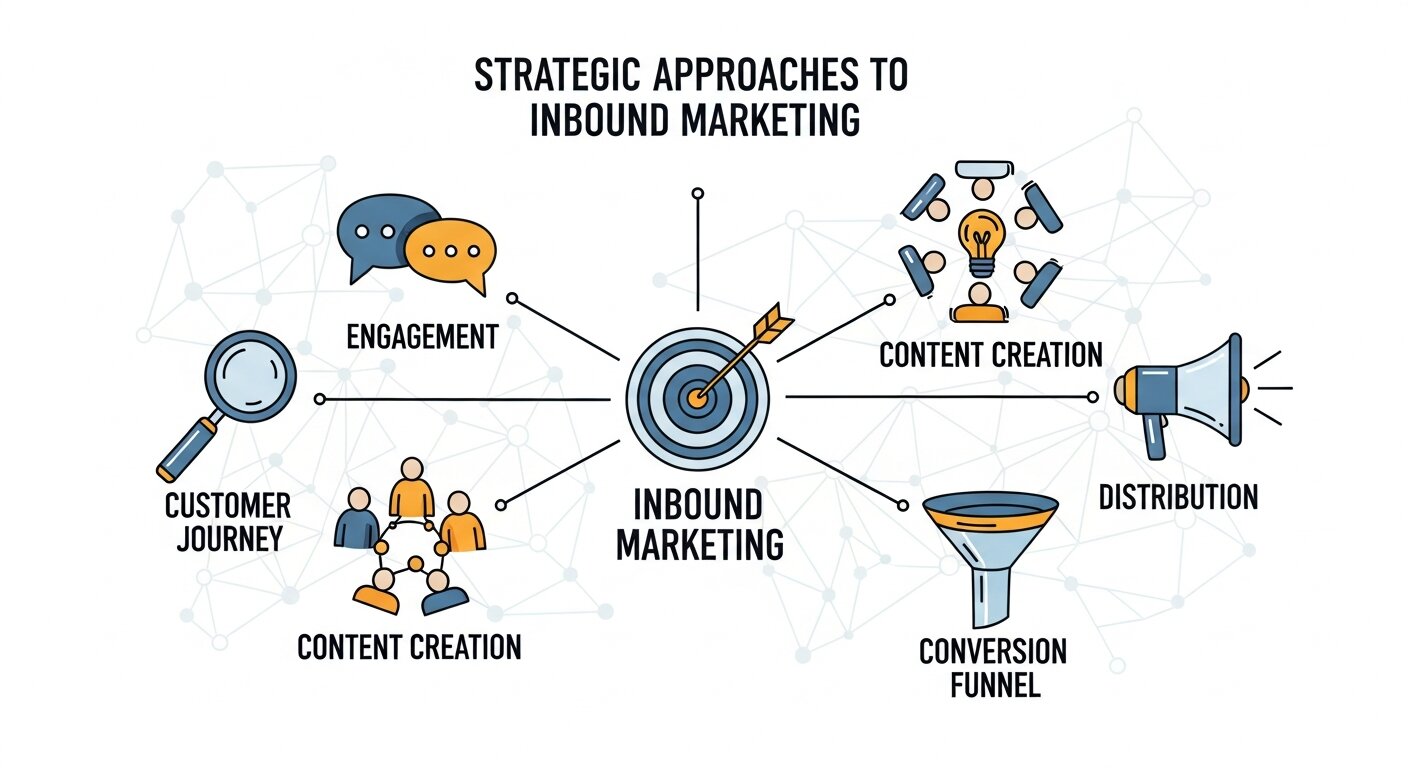
Success requires more than simply maintaining social profiles. These strategic approaches help maximize the impact of your social media inbound marketing efforts.
Align Social Strategy with Buyer Personas
Effective social media inbound marketing begins with deep understanding of your target audience. Develop detailed buyer personas that include not just demographics and pain points, but also social media behaviors, preferred platforms, content consumption habits, and engagement patterns.
Different personas may require entirely different social approaches. A C-suite executive evaluating enterprise software likely engages with content differently than a front-line manager researching productivity tools. Tailoring your platform selection, content formats, and messaging to specific personas ensures relevance and efficiency.
Map persona-specific content to the buyer’s journey stages each platform best serves. LinkedIn might excel for awareness-stage thought leadership targeting senior decision-makers, while Twitter could better facilitate consideration-stage engagement with technical evaluators. This strategic alignment prevents wasted effort on mismatched channel-persona combinations.
Create Platform-Specific Content Strategies
Each social platform has unique characteristics, user expectations, and content formats that perform best. Rather than cross-posting identical content everywhere, adapt your approach to leverage each platform’s strengths.
Instagram and Pinterest demand strong visual content, making them ideal for brands with visually appealing products or services. LinkedIn’s professional context favors in-depth articles, industry analysis, and career-focused content. Twitter’s real-time nature suits breaking news, event coverage, and quick tips. Understanding these nuances improves engagement and efficiency.
Platform-specific features like Instagram Reels, LinkedIn Polls, or Twitter Spaces offer opportunities to experiment with emerging formats before they become saturated. Early adopters of new features often receive algorithmic boosts as platforms promote their latest capabilities, providing temporary visibility advantages.
Implement a Consistent Publishing Schedule
Consistency matters more than frequency in social media inbound marketing. A sustainable schedule that you can maintain indefinitely proves more valuable than aggressive posting that leads to burnout and eventual abandonment.
Content calendars help ensure consistent output while maintaining strategic focus. Plan content themes, campaigns, and key messages in advance, leaving room for timely, opportunistic posts that respond to current events or trending topics. This balance between planning and flexibility prevents both randomness and rigidity.
Analyze performance data to identify optimal posting times for each platform and audience segment. While general best practices provide starting points, your specific audience may exhibit different engagement patterns. Testing and refinement over time uncovers the schedule that maximizes reach and engagement for your unique situation.
Engage Authentically and Responsively
Social media is fundamentally about conversation, not broadcasting. Brands that treat platforms as one-way megaphones miss the core value proposition. Respond to comments, answer questions, acknowledge mentions, and participate in relevant discussions to build genuine relationships.
Response time significantly impacts perception. Aim to acknowledge and address comments and messages within hours, not days. This responsiveness signals that you value your audience and take their input seriously. Even simple acknowledgments demonstrate active listening and appreciation.
Authentic engagement means contributing value beyond self-promotion. Share others’ content, congratulate community members on achievements, offer help without expecting immediate returns, and participate in conversations where you have genuine expertise to contribute. This generous approach builds goodwill and positions your brand as a community member, not just a marketer.
Leverage Employee Advocacy
Your employees’ collective social reach likely exceeds your corporate accounts by orders of magnitude. Employee advocacy programs empower team members to share company content, industry insights, and their own perspectives, dramatically expanding your social footprint.
Provide employees with pre-approved content they can easily share, but encourage them to add personal commentary that reflects their authentic voice. Posts shared by individuals typically generate more engagement than identical content shared by corporate accounts, as people connect more readily with other people than with brands.
Recognize and reward employee advocacy contributions. Public acknowledgment, gamification elements, or tangible incentives encourage participation while showing appreciation for their efforts. When employees see that advocacy benefits their professional brand alongside company objectives, participation becomes self-sustaining.
Integrate Social with Broader Marketing Efforts
Social media inbound marketing achieves maximum impact when fully integrated with other marketing channels and business objectives. Siloed social efforts miss opportunities for synergy and coordination.
Align social content with email campaigns, blog publishing schedules, product launches, and promotional periods. Cross-channel consistency reinforces key messages and creates multiple touchpoints that guide prospects through the buyer’s journey more effectively than isolated tactics.
Use social media to amplify and extend the reach of other marketing investments. That webinar you hosted, conference you attended, or research report you published deserves social promotion before, during, and after the main event. This integrated approach maximizes ROI on all marketing activities.
Track how social media influences conversions across the entire customer journey, not just last-click attribution. Many prospects first discover your brand through social, even if they ultimately convert through another channel. Multi-touch attribution models provide more accurate understanding of social media’s true impact.
Measuring Social Media Inbound Marketing Success
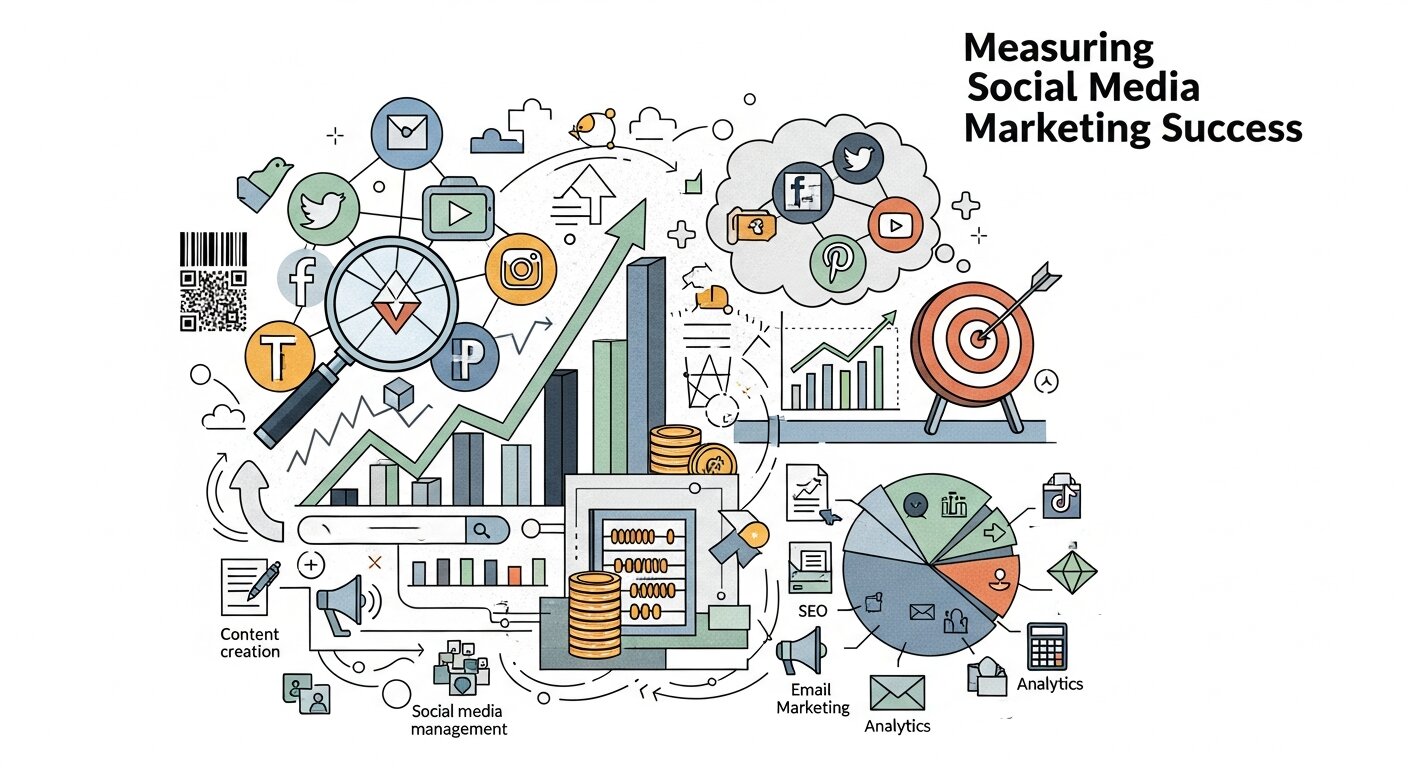
Effective measurement ensures your social efforts drive business results, not just vanity metrics. Implementing structured approaches helps quantify social media’s contribution to broader inbound marketing objectives and reinforces the impact of Social Media Inbound Marketing on lead generation and revenue growth.
Establish Clear Goals and KPIs
Define what success looks like before implementing tactics. Goals might include increasing website traffic, generating qualified leads, improving brand awareness, or enhancing customer retention. Each goal requires different metrics for meaningful measurement and directly ties to Social Media Inbound Marketing performance.
Key performance indicators should align with business objectives and buyer journey stages. Awareness-focused efforts might track reach, impressions, and follower growth. Engagement goals emphasize likes, comments, shares, and click-through rates. Conversion objectives require monitoring lead generation, pipeline contribution, and revenue influence.
Set realistic benchmarks based on industry standards, competitive analysis, and historical performance. Incremental improvement over time demonstrates progress, while unrealistic expectations lead to discouragement and strategic abandonment. Regular review and adjustment of goals ensures they remain challenging yet achievable, supporting consistent Social Media Inbound Marketing optimization.
Track Traffic and Conversion Metrics
Monitor social referral traffic using analytics platforms like Google Analytics. Examine not just volume but also engagement quality—bounce rate, pages per session, time on site—to assess whether social traffic consists of genuinely interested prospects or casual browsers. Proper tracking of traffic and conversions is essential to quantify Social Media Inbound Marketing ROI.
Implement UTM parameters on all social links to track performance by platform, campaign, and content type. This granular data reveals which social efforts drive the most valuable traffic, informing resource allocation and content strategy decisions.
Conversion tracking connects social media activity to business outcomes. Set up goals for key actions like newsletter signups, content downloads, demo requests, or purchases. Multi-touch attribution models help understand how social media contributes to conversions even when it doesn’t represent the final touchpoint, ensuring accurate measurement of Social Media Inbound Marketing effectiveness.
Analyze Engagement and Sentiment
Engagement metrics reveal how effectively your content resonates with audiences. High engagement rates suggest content aligns well with audience interests and needs, which reinforces the success of your Social Media Inbound Marketing efforts. Low engagement indicates misalignment requiring strategic adjustment.
Sentiment analysis tools evaluate whether social conversations about your brand skew positive, negative, or neutral. Tracking sentiment over time helps gauge reputation, identify emerging issues, and measure the impact of campaigns or company actions on public perception.
Share of voice metrics compare your social presence to competitors. Understanding your position within broader industry conversations helps identify opportunities to increase visibility and influence. Consistent growth in share of voice indicates successful execution of Social Media Inbound Marketing strategies.
Calculate ROI and Business Impact
Ultimately, social media must contribute to business growth. Calculate return on investment by comparing total social media costs—including staff time, tools, advertising, and content creation—against revenue influenced or generated through social channels.
Customer acquisition cost (CAC) through social media provides a benchmark for comparison against other channels. If social delivers qualified leads or customers at lower CAC than paid search, events, or other tactics, it deserves increased investment. Understanding these metrics ensures Social Media Inbound Marketing continues to drive meaningful business results.
Customer lifetime value (CLV) of socially-acquired customers may differ from other sources. Customers who discover your brand through social content and community engagement often exhibit higher retention, larger purchase values, or greater referral activity. These insights reveal Social Media Inbound Marketing’s true impact on long-term growth.
Common Challenges and How to Overcome Them
Even well-planned social media inbound marketing strategies face obstacles. Recognizing common challenges and implementing solutions prevents these issues from derailing your efforts.
Algorithm Changes and Declining Organic Reach
Social platforms frequently adjust algorithms, often reducing organic reach for business content. Diversification mitigates algorithm risk. Don’t rely on a single platform—maintaining presence across multiple channels ensures algorithm changes on one platform don’t devastate your entire Social Media Inbound Marketing program.
Focus on engagement quality over reach quantity. Algorithms prioritize content generating meaningful interactions. Paid social advertising can supplement organic efforts, extending reach for high-performing posts and ensuring Social Media Inbound Marketing investments deliver ROI.
Resource Constraints and Bandwidth Limitations
Effective Social Media Inbound Marketing requires consistent effort, quality content, and ongoing engagement. Prioritization and focus are essential—identify the two or three platforms where your target audience is most active and concentrate efforts there.
Content repurposing multiplies the value of creation efforts. A single blog post can become multiple social posts, an infographic, a video, a podcast episode, and more. Automation and scheduling tools improve efficiency while maintaining authenticity and timely engagement.
Measuring Attribution and Proving Value
Social media’s influence often occurs early in the buyer’s journey or in supporting roles, making attribution challenging. Multi-touch attribution models provide a more accurate understanding of Social Media Inbound Marketing contribution than last-click attribution.
Establish qualitative metrics alongside quantitative data. Customer testimonials citing social media discovery, brand awareness surveys, or increased inbound inquiries all demonstrate value even when direct attribution is difficult. Regular reporting that connects social activity to business outcomes maintains stakeholder confidence.
The Future of Social Media Inbound Marketing
Social media continues evolving rapidly, shaping how businesses attract, engage, and delight customers. Emerging trends are crucial to keeping Social Media Inbound Marketing strategies effective:
Video and Interactive Content Dominance
Short-form video and interactive formats such as polls, quizzes, and augmented reality experiences increase engagement, data collection, and shareability. Live streaming adds authenticity and fosters community participation.
Social Commerce Integration
Platforms now allow direct purchasing without leaving the app, shortening the buyer’s journey and improving conversions. Authentic user-generated content and influencer partnerships further accelerate purchase decisions.
AI-Powered Personalization
Machine learning predicts which content individual users will value most, enhancing engagement efficiency. Chatbots and conversational AI qualify leads before human involvement, and predictive analytics guide the timing and targeting of sales outreach, boosting Social Media Inbound Marketing effectiveness.
Privacy and Data Restrictions
Increasing privacy regulations require marketers to prioritize first-party data collection, contextual targeting, and transparent data usage. Social Media Inbound Marketing strategies that respect privacy while providing value maintain trust and performance.
Building Long-Term Success Through Social Media
Social media has transformed from a experimental marketing channel to an essential component of comprehensive inbound strategies. The platforms where your customers spend time, discover information, and make decisions cannot be ignored without sacrificing competitive advantage.
Success requires strategic thinking beyond simple posting schedules. Understanding your audience deeply, creating genuinely valuable content, engaging authentically, and measuring what matters ensure your efforts drive real business outcomes. Integration with broader marketing initiatives and adaptation to evolving platform capabilities maintain relevance and effectiveness over time.
The businesses that thrive recognize social media not as a separate tactic but as a fundamental way modern consumers interact with brands. By meeting audiences where they are, providing value before asking for anything in return, and building relationships that extend beyond transactions, you create sustainable competitive advantages that compound over time.
Frequently Asked Questions
What is social media inbound marketing?
Social media inbound marketing uses social platforms to attract prospects through valuable content, engage them through meaningful interactions, and delight customers with ongoing support, creating relationships that drive business growth.
Which social media platforms work best for inbound marketing?
The best platforms depend on your target audience. LinkedIn excels for B2B and professional services. Instagram and TikTok reach younger consumers. Facebook offers broad demographic reach. Twitter facilitates real-time conversations and news.
How much time should I spend on social media marketing?
Start with what you can sustain consistently. Quality and consistency matter more than quantity. Many successful businesses dedicate 5-10 hours weekly across content creation, scheduling, engagement, and analysis, adjusting based on results.
How do I measure social media inbound marketing ROI?
Track social referral traffic, lead generation, conversion rates, and revenue influenced by social channels. Compare total costs against business results. Multi-touch attribution provides more accurate ROI than last-click models for inbound strategies.
Should I use paid social advertising or focus on organic content?
Both serve different purposes. Organic content builds relationships and authority over time. Paid advertising accelerates reach and enables precise targeting. Most successful strategies combine both, using paid to amplify top-performing organic content.
How often should I post on social media?
Post frequency depends on platform norms and audience expectations. LinkedIn accepts less frequent but more substantive posts. Twitter demands higher frequency. Test different schedules and analyze engagement data to find your optimal rhythm.
What types of content perform best on social media?
Educational content solving specific problems, behind-the-scenes insights, customer success stories, and data-driven industry analysis typically perform well. Video content increasingly dominates engagement across platforms. Test various formats to identify what resonates with your audience.
How can I increase engagement on my social media posts?
Ask questions, encourage discussion, respond promptly to comments, use relevant hashtags, tag relevant people or brands, post when your audience is active, and create content addressing topics they care about. Authentic interaction beats promotional messaging.
What’s the difference between social media marketing and social media inbound marketing?
Traditional social media marketing often includes interruptive advertising and promotional messages. Social media inbound marketing focuses on attracting people through valuable content they actually want, building relationships through helpful engagement rather than pushy sales tactics.
How do I handle negative comments on social media?
Respond quickly, professionally, and publicly when appropriate. Acknowledge concerns, apologize if warranted, offer solutions, and move detailed discussions to private channels. View complaints as opportunities to demonstrate excellent customer service to broader audiences.
Can small businesses compete on social media against larger competitors?
Yes. Social media rewards authenticity, creativity, and genuine relationships more than budget size. Small businesses can showcase personality, respond faster, and build community more easily than large corporations. Focus on consistent value rather than matching competitor spending.
How long before I see results from social media inbound marketing?
Building a meaningful presence on social media takes time and consistent effort. Expect 3–6 months before seeing substantial traffic and lead generation, though exact timing varies by industry, competition, and execution quality. For those just starting, understanding the fundamentals is crucial—resources like What is Inbound Marketing? A Beginner’s Guide to Driving Lasting Growth can provide a solid foundation. Consistency and patience prove essential for long-term success, ensuring that your efforts translate into sustainable audience engagement and qualified leads.