Inbound Outbound Marketing combines the strengths of attracting and engaging customers with the broad reach of traditional methods. This integrated approach allows businesses to generate immediate leads while building long-term relationships. By carefully planning, monitoring, and adjusting campaigns, companies can maximize growth, ROI, and brand recognition.
The world of marketing is constantly evolving, and businesses often have questions about the most effective strategies for reaching their audience. Inbound and outbound marketing are two major approaches, each with its unique advantages and challenges. By combining them into a cohesive Inbound Outbound Marketing strategy, companies can achieve both short-term wins and long-term growth. The following FAQ addresses common concerns and provides actionable insights for marketers seeking to optimize their campaigns.
What Is Outbound Marketing?
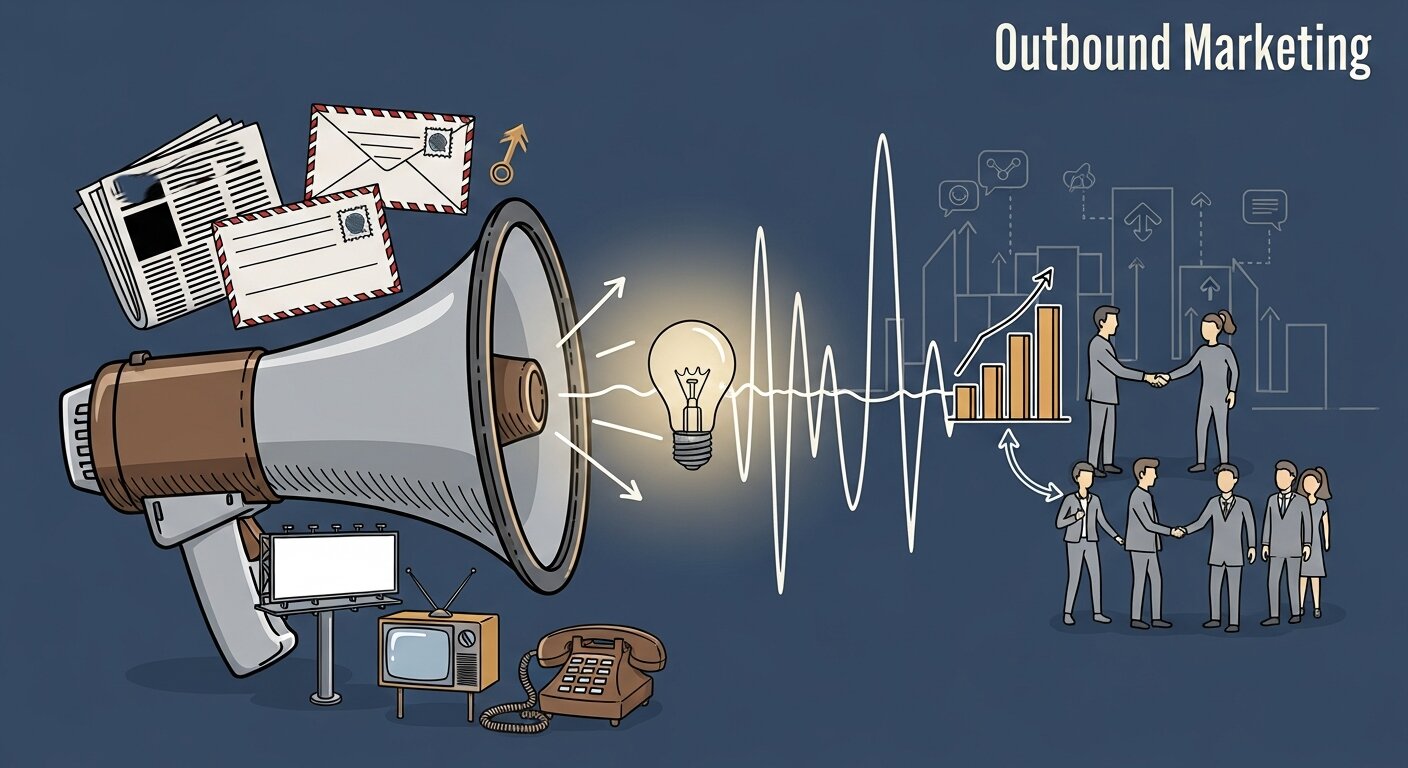
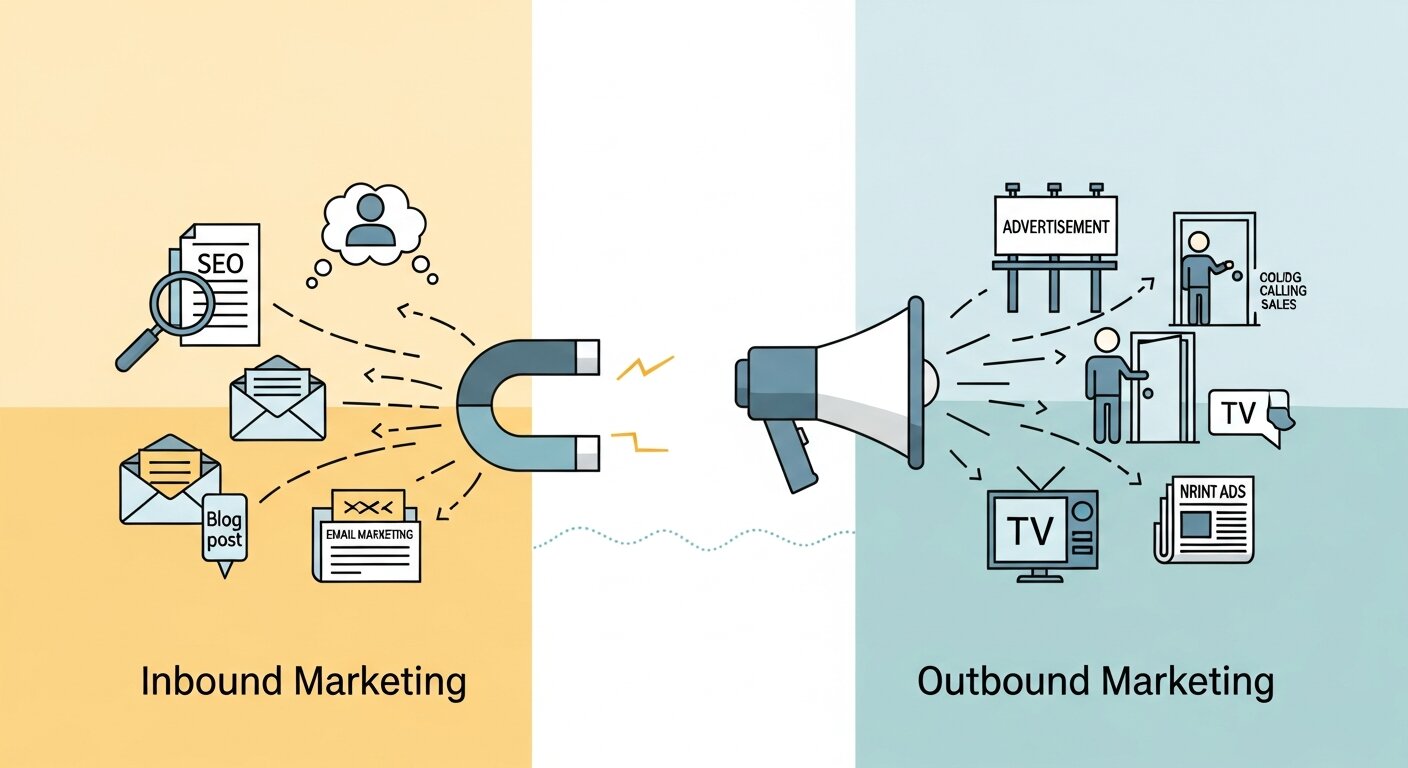
Outbound marketing, often referred to as traditional marketing, focuses on proactively reaching out to potential customers. Unlike inbound marketing, it doesn’t wait for prospects to find you—it pushes your message directly to them. Outbound marketing methods are familiar to most: TV commercials, cold calls, direct mail, and handing out brochures in public places like train stations or airports.
Key Features of Outbound Marketing:
- Push Strategy: Outbound marketing delivers messages to the audience whether they are actively seeking your product or not. This push approach contrasts sharply with inbound strategies, where content is designed to attract interested prospects.
- Broad Targeting: Outbound campaigns aim to reach as many people as possible. This wide net can generate awareness but often lacks the precision of inbound efforts.
- One-Way Communication: Typically, outbound marketing involves broadcasting a message without direct interaction, limiting engagement with potential customers.
Examples of Outbound Marketing:
- Television and radio ads
- Billboards
- Cold calling and emailing
- Direct mail campaigns such as flyers and brochures
- Paid display ads like banners and pop-ups
Benefits of Outbound Marketing:
- Immediate Reach: Outbound methods allow brands to quickly expose their products or services to a large audience.
- Predictable Results: Campaign metrics like ad impressions and mail responses are measurable, providing clear ROI estimates.
- Awareness Building: For new businesses or markets unfamiliar with your offerings, outbound marketing can introduce your brand effectively.
Downsides of Outbound Marketing:
- High Costs: Traditional advertising channels like TV, print, or radio ads can be expensive.
- Interruptive Nature: Many consumers find outbound methods disruptive, which can negatively affect brand perception.
- Lower Precision: Broad targeting may reach uninterested audiences, reducing overall campaign efficiency.
What Is Inbound Marketing?
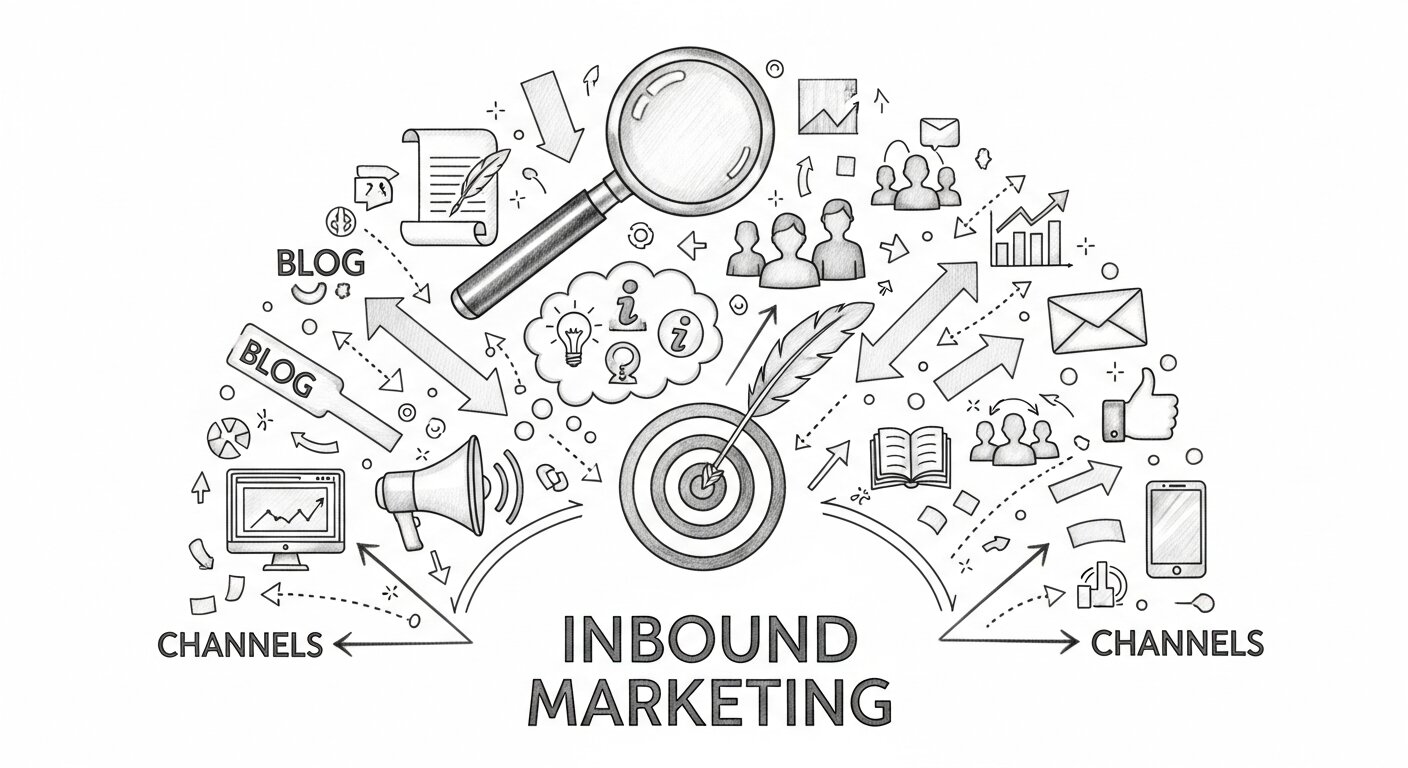
Inbound marketing takes a customer-centric approach, attracting prospects through valuable content, education, and engagement. Rather than pushing messages, inbound strategies focus on solving problems, providing information, and building long-term relationships. This approach often leverages blogs, SEO, social media, and email marketing to draw in leads naturally.
Key Features of Inbound Marketing:
Pull Strategy: Inbound marketing “pulls” customers toward your business through relevant content rather than interrupting them with ads.
Targeted Approach: By understanding buyer personas and customer needs, inbound strategies reach the right audience at the right time.
Two-Way Communication: Inbound marketing encourages interaction, feedback, and engagement, fostering trust and loyalty.
Examples of Inbound Marketing:
- Informative blog posts and articles
- Social media campaigns designed to engage
- SEO-driven content for search discovery
- Webinars, eBooks, and guides
- Personalized email marketing sequences
Benefits of Inbound Marketing:
Cost-Effective: Inbound marketing often costs less than traditional outbound campaigns while providing sustainable results.
High-Quality Leads: Attracting interested prospects naturally leads to higher conversion rates.
Long-Term Growth: By nurturing relationships, inbound strategies help build lasting customer loyalty.
Combining Inbound and Outbound Marketing
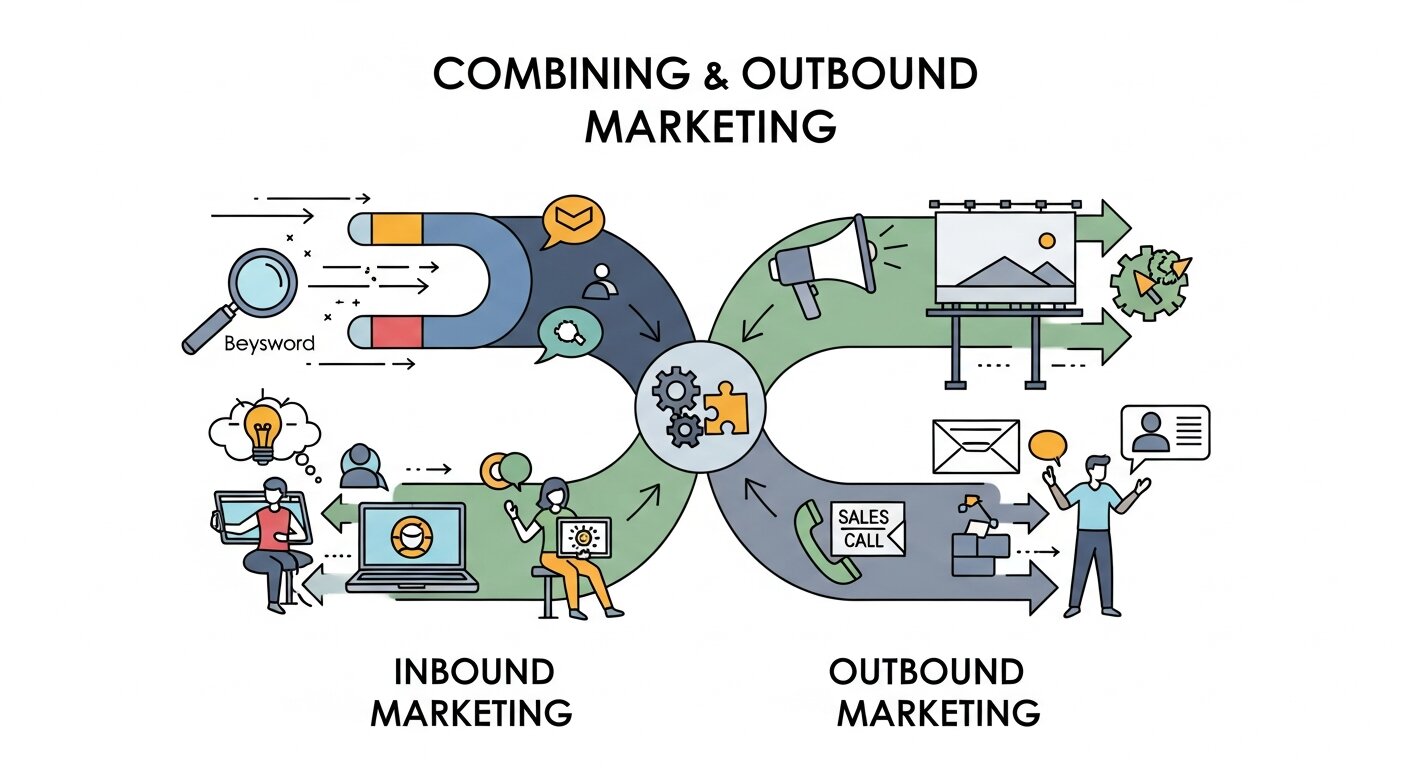
For many businesses, the most effective approach is integrating both inbound marketing and outbound marketing strategies into a cohesive plan. Inbound Outbound Marketing blends the immediate reach of outbound methods with the lasting engagement of inbound techniques. For example, a company can use paid ads to drive traffic while providing valuable content that nurtures leads through inbound strategies.
Using a balanced Inbound Outbound Marketing strategy ensures that your brand reaches a wide audience while simultaneously building trust and authority. Outbound efforts like targeted ads or direct mail can complement inbound tactics such as content marketing, email nurturing, and SEO optimization.
In practice, Inbound Outbound Marketing can:
Introduce your brand to new markets while nurturing interested prospects.
Balance short-term results with long-term customer engagement.
Optimize marketing spend by using outbound campaigns to amplify inbound success.
Businesses that adopt Inbound Outbound Marketing often see higher ROI, stronger brand recognition, and a more loyal customer base. By combining the strengths of both approaches, companies can attract, engage, and convert audiences more efficiently than relying on either method alone.
Key Features of Inbound Marketing
Inbound marketing focuses on attracting potential customers by providing value rather than interrupting them with promotional messages. It emphasizes understanding the audience’s needs, creating helpful content, and nurturing long-term relationships.
Pull Strategy: Unlike outbound marketing, which pushes messages to a broad audience, inbound marketing pulls prospects in by providing solutions to the problems they are actively searching for. For example, a user looking for how to improve email open rates might discover your blog post and engage with your brand naturally.
Targeted Content: Inbound strategies focus on highly personalized content designed for specific customer personas. This ensures that your messaging resonates with the right audience and increases engagement.
Two-Way Communication: Through blogs, social media, webinars, and email campaigns, inbound marketing encourages dialogue with your audience. This interactive approach builds trust and positions your brand as an authority in the field.
Examples of Inbound Marketing:
- Content marketing such as blogs, eBooks, and whitepapers
- Search engine optimization (SEO) to drive organic traffic
- Social media engagement and community building
- Email newsletters that provide value rather than just promotions
- Educational videos, webinars, and tutorials
Benefits of Inbound Marketing:
Cost-Effectiveness: Compared to outbound campaigns like TV or print ads, inbound marketing leverages organic channels and requires lower budgets, especially for blogs, social media, and SEO.
Builds Trust: Providing relevant and helpful content helps your audience solve real problems, establishing credibility and authority in your niche.
Sustained Results: High-quality content can continue to attract traffic and leads for months or even years, unlike outbound campaigns that stop generating results once the budget ends.
Downsides of Inbound Marketing:
Time-Intensive: Building an audience and gaining trust takes time. Results are gradual compared to the immediate reach of outbound marketing.
Effort-Heavy: Consistent planning, content creation, and distribution are required for a successful inbound campaign.
Requires Expertise: To be effective, inbound marketing demands skills in Semantic SEO, content strategy, analytics, and social media engagement.
How Inbound and Outbound Marketing Compare
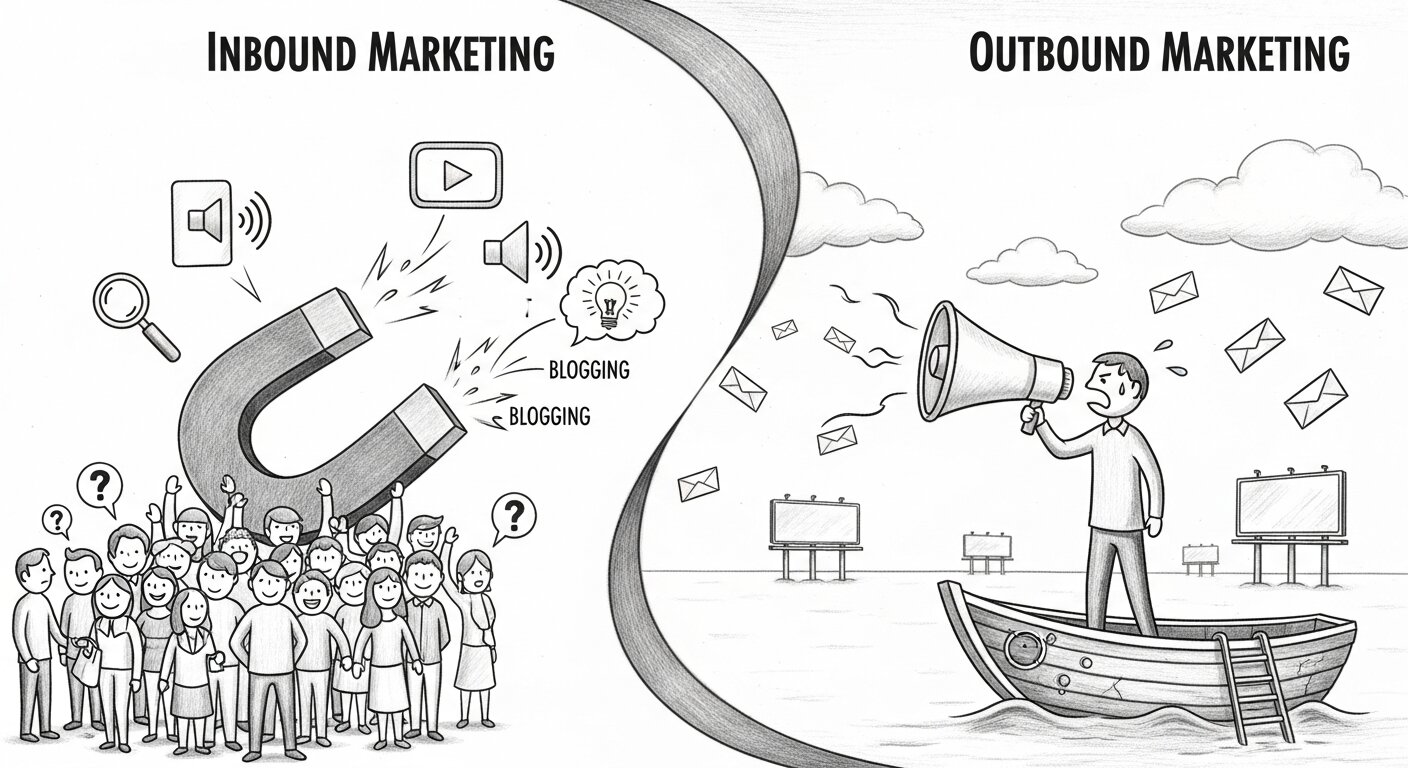
When evaluating marketing strategies, understanding the differences between inbound and outbound marketing is crucial. Many businesses benefit most from a combined approach, commonly referred to as Inbound Outbound Marketing.
| Aspect | Inbound Marketing | Outbound Marketing |
|---|---|---|
| Tactics | Blogs, social media, SEO, educational content | TV ads, email blasts, direct mail, paid banners |
| Audience | Targeted group interested in your niche | Broad audience with less filtering for interest |
| Communication Style | Two-way conversations that nurture relationships | One-way promotional broadcast |
| Cost Implications | Often low-cost using blogs, SEO, and social media | High costs for ad space, printing, and mass campaigns |
| Timeline for Results | Long-term growth with sustained traffic | Immediate results but short-lived impact |
Inbound Outbound Marketing allows businesses to leverage the strengths of both strategies. While inbound builds trust and long-term engagement, outbound marketing drives awareness and generates quick leads, making them highly complementary.
Should You Choose One Over the Other?
Most businesses find that an integrated approach—combining inbound and outbound marketing—delivers the best results. Inbound excels at nurturing relationships and creating lasting engagement, while outbound marketing delivers short-term wins and boosts visibility quickly.
Choosing the Right Balance:
- Small Businesses or Startups: Inbound marketing may be more suitable due to its cost-effectiveness and long-term benefits. A blog, social media presence, and SEO efforts can yield substantial results on a limited budget.
- Established Brands: Outbound marketing can quickly reach larger audiences, making it ideal for launching new products or entering new markets. When combined with ongoing inbound campaigns, it creates a powerful Inbound Outbound Marketing strategy that balances immediate impact with long-term growth.
How to Get Started with Inbound Outbound Marketing
Implementing a combined marketing approach doesn’t have to be overwhelming. Follow these steps to begin:
Define Your Target Audience: Develop buyer personas to understand who you’re trying to reach.
Set Clear Marketing Goals: Determine whether your focus is brand awareness, lead generation, or conversions.
Start with Inbound Marketing: Create a blog, optimize your website for SEO, or develop educational content to attract organic traffic.
Experiment with Outbound Marketing: Allocate budget for paid ads, email campaigns, or direct mail to amplify visibility.
Measure and Refine: Track performance data from both inbound and outbound campaigns. Adjust your strategy to maximize ROI and improve engagement.
By combining the precision and engagement of inbound marketing with the broad reach of outbound strategies, your Inbound Outbound Marketing approach can deliver both immediate results and sustained growth. Businesses that integrate these strategies effectively enjoy higher brand recognition, stronger customer loyalty, and more consistent lead generation.
Final Thoughts on Marketing Strategies
In today’s complex and fast-paced business environment, both inbound and outbound marketing play critical roles in driving growth. Understanding the unique strengths of each approach—and how they complement one another—is essential for building a well-rounded marketing plan. While outbound marketing delivers immediate visibility and measurable short-term results, inbound marketing nurtures relationships, builds trust, and generates long-term engagement. By combining these approaches, businesses can leverage the full spectrum of marketing opportunities, a strategy often referred to as Inbound Outbound Marketing.
Inbound Outbound Marketing allows companies to create a balanced marketing footprint, aligning quick wins with sustainable growth. For example, outbound campaigns like paid ads, direct mail, or sponsored posts can rapidly introduce your brand to a wide audience, while inbound efforts such as blog content, social media engagement, and educational webinars help convert those prospects into loyal customers. The synergy of Inbound Outbound Marketing ensures that every interaction, whether immediate or long-term, contributes to overall business success.
One of the key advantages of Inbound Outbound Marketing is its flexibility. Small businesses or startups can prioritize inbound marketing to grow organically and build credibility without excessive costs. At the same time, strategically placed outbound initiatives can provide the push needed to reach new audiences, generate leads, and accelerate revenue growth. For established brands, integrating inbound and outbound strategies allows for consistent engagement while simultaneously scaling awareness campaigns to capture larger market shares.
Implementing Inbound Outbound Marketing effectively requires careful planning, ongoing analysis, and a willingness to adapt based on results. Defining your target audience, creating buyer personas, and setting clear goals for both inbound and outbound campaigns are crucial first steps. Once these foundations are in place, you can experiment with different content types, advertising channels, and engagement strategies, all while continuously monitoring performance metrics to refine and optimize your approach.
Ultimately, the most successful marketing strategies recognize that inbound and outbound are not mutually exclusive—they are complementary. By embracing Inbound Outbound Marketing, businesses position themselves to achieve both immediate results and long-term growth. A small, thoughtful investment in this integrated strategy today can lead to significant dividends years down the line, as every campaign, blog post, or ad contributes to building a strong, recognizable brand.
If you need guidance on designing a strategy that leverages the full potential of Inbound Outbound Marketing, consider consulting a team of experts who can analyze your current approach, identify gaps, and help you create a roadmap for sustained success. With the right plan in place, your business can turn short-term campaigns into long-term achievements, fully realizing the benefits of a cohesive Inbound Outbound Marketing approach.
Frequently Asked Questions
What is the difference between inbound and outbound marketing?
Inbound marketing attracts potential customers through valuable content, SEO, and engagement, while outbound marketing pushes messages to a broad audience via ads, cold calls, and direct mail. Combining these approaches creates a strong Inbound Outbound Marketing strategy that balances reach with engagement.
Why should I consider combining inbound and outbound strategies?
Using both methods together allows businesses to maximize visibility, generate immediate leads, and nurture long-term relationships. Inbound Outbound Marketing ensures that your campaigns are both efficient and sustainable, leveraging the strengths of each approach.
What types of businesses benefit from Inbound Outbound Marketing?
Almost any business can benefit, but small startups may rely more on inbound methods for cost-effective growth, while established brands often use outbound campaigns to expand reach. Integrating both strategies provides flexibility and scalability.
How does inbound marketing generate leads?
Inbound marketing generates leads by attracting interested prospects through blogs, SEO, social media, webinars, and other educational content. Is Inbound Marketing Pull Marketing and Is It Worth Doing? Absolutely — because inbound is essentially pull marketing: it draws customers in by providing helpful content and solutions rather than interrupting them with ads. Prospects engage naturally with your brand, resulting in higher-quality leads for sales conversion.
How quickly can I see results from outbound marketing?
Outbound marketing can deliver immediate results, such as ad clicks, call responses, or direct mail inquiries. These quick wins complement the slower but longer-lasting results of inbound marketing in a comprehensive Inbound Outbound Marketing plan.
Is inbound marketing more cost-effective than outbound marketing?
Typically, inbound marketing costs less because it leverages organic traffic, content marketing, and social media platforms. Outbound marketing often requires higher budgets for paid ads, TV spots, or direct mail campaigns, but both are valuable when used strategically. Inbound Marketing Explained: How to Attract, Convert & Delight Customers — by using this approach, businesses ensure that every piece of content and interaction is designed to attract, engage, and convert prospects effectively, making it highly cost-efficient over time.
How do I measure the success of Inbound Outbound Marketing?
Success is measured by combining metrics from both approaches: website traffic, lead quality, conversion rates, ad impressions, and ROI. Tracking and analyzing these data points helps optimize your strategy for better performance.
Can small businesses effectively implement Inbound Outbound Marketing?
Yes. Small businesses can start with low-cost inbound tactics like SEO, content, and social media, while gradually testing outbound campaigns such as PPC ads or email blasts. This ensures balanced growth without overspending.
What common mistakes should I avoid with inbound and outbound marketing?
Avoid relying solely on one approach, neglecting target audiences, or failing to measure performance. A successful Inbound Outbound Marketing strategy integrates both methods, targets the right personas, and continuously refines campaigns based on data.
How do I get started with Inbound Outbound Marketing?
Start by defining your audience and goals, creating inbound content to attract prospects, and experimenting with outbound tactics for visibility. Continuously monitor results and adjust campaigns to optimize your marketing mix for both short-term wins and long-term engagement.