
Inbound Marketing and Customer Acquisition help businesses attract qualified prospects through valuable content, SEO, and customer-focused strategies. By building trust, nurturing leads, and optimizing conversion funnels, companies can generate sustainable growth, reduce acquisition costs, and increase customer loyalty. This approach creates long-term success through engagement, relevance, and meaningful customer relationships.
Inbound marketing and customer acquisition have become essential because modern buyers do not want to be pressured. They want information, reassurance, comparisons, and proof before they make a decision. That is why a smart brand focuses on being discovered at the right moment with the right message. When people search, compare, read, and evaluate, inbound marketing and customer acquisition guide them through that journey in a natural way.
The best part is that this approach respects human psychology. People trust what helps them, remember what feels relevant, and move faster when uncertainty is reduced. If your content answers their questions clearly, it becomes easier for them to see your brand as the safe choice. That is the foundation of inbound marketing and customer acquisition.
What inbound marketing really means
What is inbound marketing? It is a system that attracts prospects through value instead of interruption. It uses useful articles, guides, search visibility, social content, lead magnets, webinars, and email nurture to bring people toward your business. In practice, inbound marketing and customer acquisition work because people feel like they are choosing the brand on their own terms.
That choice matters. When visitors feel in control, resistance drops. They read more, stay longer, and engage more deeply. This is one reason inbound marketing and customer acquisition often create better-quality leads than aggressive outbound outreach. The audience is already interested, already informed, and already closer to a decision.
Why this approach works so well for customer growth

How inbound marketing attracts customers is simple at the surface but powerful underneath. It aligns your message with the buyer’s intent. A person searching for a solution wants clarity, not a hard sell. If your page answers the question immediately and adds context, you earn attention. If your content continues to reduce doubt, you earn trust. That is how inbound marketing and customer acquisition turn interest into action.
The benefits of inbound marketing go beyond traffic. It can improve brand credibility, shorten sales conversations, and support recurring lead flow. Over time, it also strengthens customer loyalty because people who discovered you through helpful content often remember that experience. Inbound marketing and customer acquisition are not just about the first sale; they help shape the relationship that follows.
The strategic foundation
How to create an inbound marketing strategy starts with understanding your audience deeply. You need to know what they are worried about, what they hope to achieve, what objections they have, and what kind of proof they need before they buy. When those answers are clear, every piece of content becomes easier to plan. Inbound marketing and customer acquisition become far more effective when built around real intent rather than assumptions.
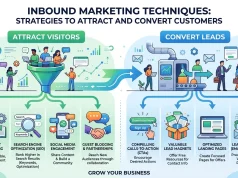
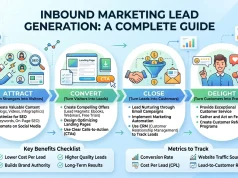
A strong strategy also depends on the right sequence. First, you attract attention with search-friendly content. Then you capture interest with helpful next steps. After that, you nurture trust through email, retargeting, and value-driven follow-up. Finally, you guide people toward a low-friction conversion point. That sequence is what makes inbound marketing and customer acquisition feel smooth instead of forced.
A practical framework
| Stage | Main goal | Best content type | Key outcome |
|---|---|---|---|
| Awareness | Attract attention | Blog posts, guides, social content | Traffic and discovery |
| Consideration | Build trust | Comparisons, case studies, explainers | Engagement and repeat visits |
| Decision | Remove doubt | Demos, testimonials, offers | Conversions |
| Retention | Extend value | Email nurture, onboarding, support content | Loyalty and repeat business |
This framework supports inbound marketing and customer acquisition because it matches the way people actually decide. Buyers rarely convert on the first visit. They move through stages, and your content should move with them.
Content that brings the right people in
Content marketing for businesses is one of the strongest engines behind inbound growth. When you create useful, searchable, and easy-to-understand content, you build a library of trust. Each article can answer one problem, one question, or one objection. Together, they turn inbound marketing and customer acquisition into a repeatable system.
How content marketing generates leads depends on relevance and timing. A person may discover a blog post today, download a guide tomorrow, and book a call next week. That journey works because the content stays useful at every step. Inbound marketing and customer acquisition grow stronger when the content feels like a helpful path, not a random collection of pages.
Inbound marketing examples often include educational blog posts, comparison pages, email series, checklists, case studies, webinars, and free tools. These formats work because they meet the buyer where they are. A visitor who wants to learn is not yet ready for a hard pitch, but they are ready for insight. That is where inbound marketing and customer acquisition win attention.
Search visibility and discoverability
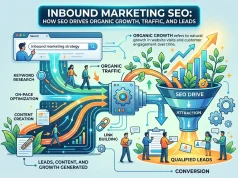
SEO for customer acquisition matters because search is where intent becomes visible. When people actively look for answers, they are already signaling a need. Ranking for the right terms means your brand appears during that moment of decision. Inbound marketing and customer acquisition become much more efficient when your content is discoverable at the exact time people need it.
SEO is not only about keywords. It is also about structure, clarity, topical relevance, and user satisfaction. If your page answers the query quickly, expands the answer clearly, and guides the reader to the next step, it creates a better experience. That experience supports inbound marketing and customer acquisition by making it easier for searchers to trust your brand.
The funnel that turns interest into action
An inbound sales funnel is the path from first visit to final purchase. It starts with awareness, continues through education and trust-building, and ends with a conversion action that feels safe. How to build an inbound sales funnel depends on the customer journey. Every stage must reduce uncertainty and increase confidence. That is why inbound marketing and customer acquisition are most effective when the funnel is designed around psychology.
At the top, people need understanding. In the middle, they need comparison and reassurance. At the bottom, they need proof and a simple decision path. If any part of the journey feels confusing, they delay. If it feels easy, they move forward. Inbound marketing and customer acquisition succeed when the funnel respects that decision process.
Funnel stages and content alignment
- Awareness: educational articles and problem-based search content
- Consideration: guides, case studies, and comparison pages
- Decision: testimonials, offers, demos, pricing clarity
- Retention: onboarding emails, support resources, follow-up value
This is where marketing funnel optimization becomes important. Small improvements in clarity, trust signals, and call-to-action placement can lead to major gains. Inbound marketing and customer acquisition often improve not because you get more traffic, but because more visitors decide to take the next step.
Conversion and friction reduction
How to convert website visitors into customers is often a question of removing friction. People hesitate when they feel overwhelmed, confused, or rushed. Strong headlines, clear benefits, visible proof, and simple forms reduce that hesitation. Inbound marketing and customer acquisition work best when the website feels calm, credible, and easy to use.
Conversion rate optimization is the discipline that improves those moments. You may test page structure, CTA wording, social proof, form length, and page layout. Even small changes can increase the number of visitors who become leads or buyers. Inbound marketing and customer acquisition improve faster when the website is optimized for the choices people naturally make.
Lead quality and acquisition efficiency
Customer acquisition vs lead generation is an important distinction. Lead generation is about capturing interest. Customer acquisition is about turning that interest into revenue. A campaign can generate many leads and still fail if those leads are poorly qualified. Inbound marketing and customer acquisition work best when the leads are not only numerous, but relevant.
How to improve customer acquisition starts with matching promise to need. When your message, content, and offer align with the visitor’s problem, the conversion rate rises. Customer acquisition techniques should feel helpful: clear value propositions, strong educational content, and simple next steps. Inbound marketing and customer acquisition become more predictable when every touchpoint pushes the buyer closer to confidence.
Ways to increase customer acquisition include improving targeting, sharpening your offer, answering objections earlier, and reducing the time it takes for someone to get value. Those small improvements compound. Inbound marketing and customer acquisition benefit from consistency more than sudden bursts of activity.
Reducing cost while increasing trust
Customer acquisition cost reduction is one of the strongest long-term advantages of inbound systems. Once content ranks, once email sequences are built, and once your funnel is tested, every additional visitor can become cheaper to acquire. That efficiency matters because it gives your business room to grow without depending entirely on paid ads.
Digital marketing automation helps here by saving time and keeping the experience consistent. Automated emails, lead scoring, segmented nurturing, and retargeting workflows can move people forward without manual effort every time. Inbound marketing and customer acquisition become more scalable when automation supports the human side of the experience.
Inbound best practices that keep the system healthy

Inbound marketing best practices are not complicated, but they must be consistent. Clear writing, audience research, helpful formats, consistent publishing, and strong internal linking all matter. So does trust. People respond to brands that sound knowledgeable but not robotic. Inbound marketing and customer acquisition improve when the content feels human, practical, and specific.
Inbound marketing for small businesses is especially powerful because it does not always require a huge budget. A small team can publish smart articles, answer common questions, build email lists, and create simple landing pages. Even modest efforts can create momentum when they stay focused. Inbound marketing and customer acquisition give smaller brands a way to compete through clarity and usefulness.
Tools that support the syst em
Inbound marketing tools for businesses can make execution much easier. SEO platforms help with keyword research and performance tracking. Email tools support automation and segmentation. Analytics tools show where visitors come from and where they drop off. Content management systems make publishing faster. The goal is not to collect tools; the goal is to build a smoother path for inbound marketing and customer acquisition.
The best tools are the ones that reveal behavior and reduce manual work. When you can see which pages attract traffic, which offers convert, and where users hesitate, you can make smarter decisions. Inbound marketing and customer acquisition improve faster when you use data to refine the experience.
Real-world application
Inbound marketing and customer acquisition are not only theory. A software company might publish educational posts that solve beginner problems, offer a free trial, and then nurture users with onboarding emails. A service business might create comparison pages, client success stories, and a consultation flow. A small online brand might use short guides, search content, and email sequences to build trust before the sale. In each case, the same principle applies: help first, sell later.
That is what makes the system durable. People remember the brand that taught them something useful. They return to the source that made a complex decision feel simple. Inbound marketing and customer acquisition work because they match the way people prefer to buy when they are thoughtful, cautious, and busy.
Conclusion
Inbound marketing and customer acquisition are strongest when they are built around empathy, clarity, and trust. People do not want to be pushed into a decision; they want to feel informed enough to choose confidently. That is why content, SEO, conversion optimization, automation, and funnel design all matter so much. Together, they turn attention into action.
If your business wants sustainable growth, the smartest approach is to make every stage of the journey useful. Teach first. Reduce doubt. Build proof. Make the next step simple. When you do that consistently, inbound marketing and customer acquisition stop feeling like separate tactics and start working as one growth system.
FAQ
What is inbound marketing?
Inbound marketing is a customer-attraction method that uses helpful content, search visibility, and nurturing to bring people toward your business naturally.
How inbound marketing attracts customers?
It attracts customers by answering their questions, solving their problems, and building trust before asking for a sale.
How to improve customer acquisition?
Improve customer acquisition by sharpening your message, qualifying traffic better, reducing friction, and strengthening your conversion flow.
What are inbound marketing best practices?
The strongest practices include audience research, useful content, SEO structure, clear calls to action, and consistent follow-up.
What are the benefits of inbound marketing?
The main benefits are better trust, lower long-term acquisition costs, stronger lead quality, and more sustainable growth.
What is the difference between customer acquisition vs lead generation?
Lead generation captures interest, while customer acquisition turns that interest into paying customers.
How to create an inbound marketing strategy?
Start with audience pain points, map content to each stage of the journey, build a conversion path, and measure results over time.
Are there simple inbound marketing examples for small teams?
Yes. Educational blog posts, helpful FAQs, comparison pages, email nurture, and case studies are all practical examples.
What are the best ways to increase customer acquisition?
Focus on clearer offers, stronger proof, better targeting, and simpler conversion paths that reduce hesitation.
How to build an inbound sales funnel?
Create content for awareness, consideration, and decision stages, then support it with email nurture and conversion pages.
Which inbound marketing tools for businesses are most useful?
SEO tools, analytics platforms, email automation systems, and content management tools are the most useful starting points.
How can inbound marketing and customer acquisition reduce cost over time?
When your content ranks and your funnel converts better, each lead becomes cheaper to acquire and easier to nurture.