
Capitalization of inbound marketing depends on context, style, and branding. Use lowercase in sentences, title case in headings, and follow brand rules when applicable. Consistency ensures your content looks professional, readable, and authoritative.
If you’ve ever written about inbound marketing, you’ve probably paused at some point to wonder whether it should be capitalized. While it might seem like a minor detail, capitalization actually plays a key role in professional communication, branding, and content consistency. Writers and marketers frequently face questions about how to present this term correctly across sentences, headings, blog posts, reports, and presentations.
Getting it right isn’t just about grammar—it reflects your attention to detail, professionalism, and authority. Capitalization choices can affect readability, brand perception, and even SEO performance. With various contexts to consider—sentence case, title case, or proprietary branding—the rules aren’t always obvious.
To make things easier, this FAQ section answers the most common questions about inbound marketing capitalization, providing practical guidance and examples to help you write confidently and consistently, no matter the format or audience.
What Is Inbound Marketing?
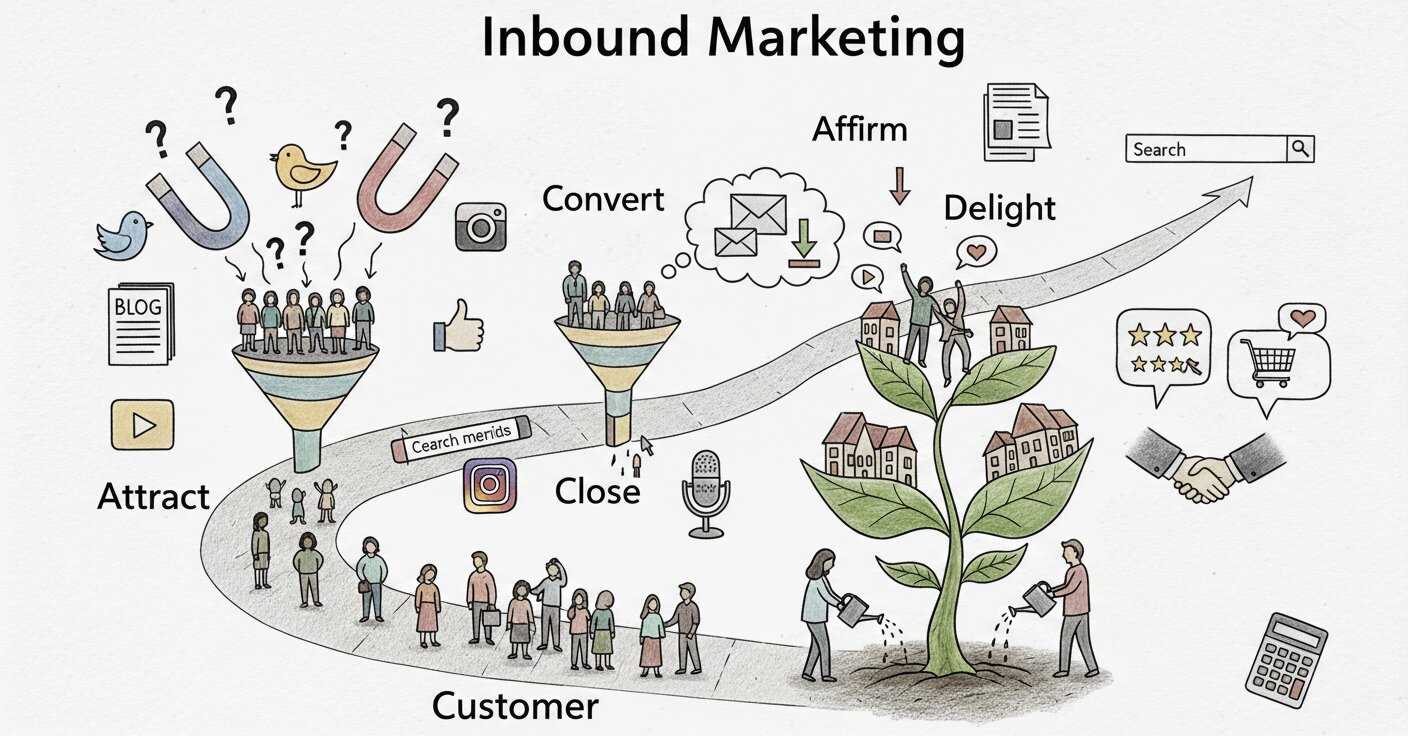
First things first, we need to clarify the concept as we prepare to open the capitalization can of worms. This business methodology is all about attracting customers by creating valuable content and experiences tailored specifically to their needs, interests, and behaviors. Unlike outbound marketing—such as cold-calling, banner ads, or interruptive advertising—which inherently interrupts users, the goal here is to earn the attention of your audience organically. It’s a shift from pushing messages outward to drawing people in through meaningful engagement.
Techniques used in this approach include blogging, social media engagement, search engine optimization (SEO), webinars, video content, and lead nurturing strategies. On the other hand, outbound strategies rely more heavily on paid advertisements, email blasts, and content syndication. While outbound marketing has its place, it often feels intrusive, whereas the inbound-oriented approach prioritizes value, relevance, and user choice. Over the years, this method has evolved from a strategic methodology into an absolute necessity for businesses, as modern audiences increasingly demand trust, credibility, and personalized experiences before committing to a brand or service.
Should It Be Capitalized?
Now, back to the key question: should this term get capitalized? Understanding capitalization rules is crucial, not just for style, but also for maintaining professionalism and clarity in your writing. The answer depends on context, audience, and medium.
Sentence Case
In regular sentences, the term is generally written in lowercase because it functions as a common noun rather than a proper noun. Using lowercase ensures that your writing remains clean and readable while adhering to conventional grammar rules.
Example:
We use this approach to attract new leads, build trust, and foster long-term customer relationships.
Title Case
When writing titles, headings, or other prominent content, capitalization rules shift slightly. In titles, major words are typically capitalized to make the heading stand out and look professional. This includes nouns, verbs, adjectives, and adverbs, while small connecting words like “and,” “or,” “to,” and “in” are usually left lowercase unless they begin or end the title.
Example:
“Ultimate Guide to Capitalization Rules for Marketing Content”
Using title case correctly demonstrates attention to detail, enhances readability, and signals authority in professional writing.
General Guidelines for Capitalization
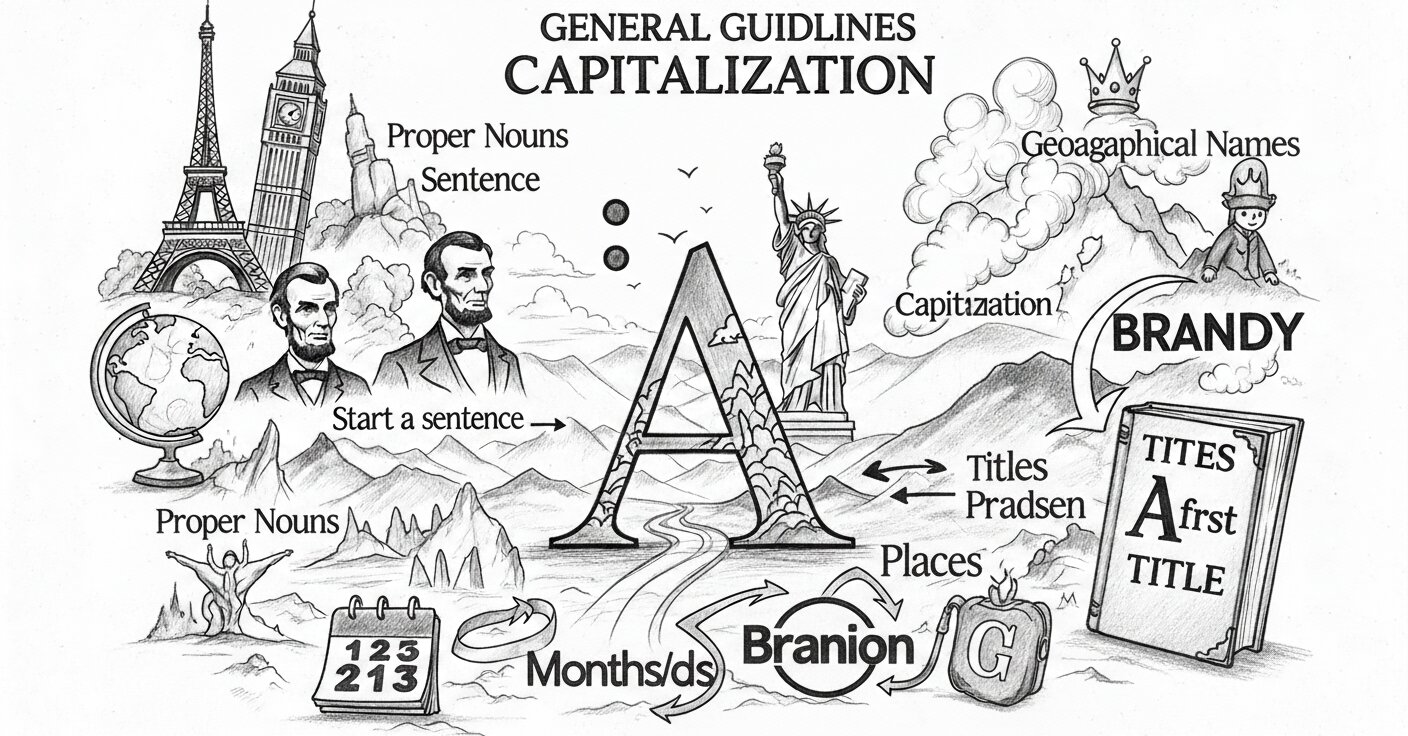
Before finalizing your content, it’s helpful to review general capitalization rules to avoid common mistakes:
Capitalize proper nouns – this includes names of people, cities, countries, companies, products, and trademarks.
Example: We visited New York City for a marketing conference hosted by HubSpot.
Lowercase common nouns – unless they appear in a title or headline, common nouns remain lowercase.
Example: Our strategy includes blogging, social media, and email campaigns.
Title case for headings – capitalize major words in your titles and headings but avoid capitalizing minor words like “and,” “of,” “for,” unless they are the first or last word.
Example: “Effective Techniques for Building Customer Trust”
Consistency matters – once you choose a style guide or format, maintain it throughout your document to ensure uniformity and professionalism.
Example in sentence case:
Our team focuses on creating strategies to attract new customers, nurture leads, and build brand credibility.
Key Takeaways on Capitalization
Understanding capitalization rules goes beyond grammar—it reflects your professionalism, attention to detail, and respect for the reader. Proper capitalization ensures that your content is clear, authoritative, and visually consistent across blogs, reports, presentations, and other marketing materials.
- Use lowercase in normal sentences for clarity and readability.
- Use title case for headings, titles, and other prominent text elements.
- Follow general capitalization rules for proper nouns, common nouns, and consistency.
Getting capitalization right also enhances credibility. Readers subconsciously associate well-formatted content with authority, accuracy, and trustworthiness. Whether you’re crafting an article, designing a presentation, producing a report, or writing marketing materials, applying proper capitalization rules is a small but significant step toward professional communication.
In conclusion, capitalization is not just about following grammar rules—it’s about creating content that is polished, professional, and easy for your audience to digest. Attention to these details shows that you care about how your message is perceived and demonstrates your mastery of language in a business context.
Rules for Title Case
When writing professional content, using proper title case is essential. Title case ensures your headings, titles, and important sections look polished and follow standard writing conventions. Here’s a detailed guide:
Capitalize the first and last word of a title.
The first and last word of every title should always be capitalized, regardless of its type. This ensures that titles start and end with impact.
Capitalize major words.
Nouns, pronouns, verbs, adjectives, adverbs, and subordinate conjunctions should be capitalized. Examples include Marketing, Strategy, Content, Leads, and Conversion.
Keep small words lowercase.
Articles (a, an, the), prepositions (in, on, at, for), and coordinating conjunctions (and, but, or) are usually written in lowercase unless they appear at the start or end of a title.
Example of Proper Title Case:
How To Develop A Successful Content Strategy For Your Inbound Marketing
Notice how major words like Develop, Successful, Content, Strategy, and Inbound Marketing are capitalized, while small connecting words like for remain lowercase.
Is “Inbound Marketing” Properly Capitalized?
Now that we understand where and when capitalization is used, the next question is whether the term “inbound marketing” itself should be capitalized. The rules vary depending on context and intent, so let’s explore the key situations:
Common Usage in Sentences
When inbound marketing is used in regular sentences to describe the methodology as a general concept, it is not capitalized. This is because it is a common noun, not a proper noun.
Example:
Correct: Our inbound marketing has driven a 35% uptick in organic leads this month.
Incorrect: Inbound Marketing brought us 35% more organic leads this month.
In this case, lowercase usage aligns with grammar conventions and keeps writing natural and consistent.
Usage in Titles and Headings
When inbound marketing appears in a title or heading, capitalization follows title case rules. Both words are capitalized because they are considered major words within the title.
Example:
Correct: 5 Tips for Your Inbound Marketing Campaign
Incorrect: 5 Reasons why Inbound Marketing your best practice
Correct inbound marketing capitalization in headings ensures readability, professionalism, and adherence to style guides.
Brand or Trademark Usage
If Inbound Marketing is used as part of a brand name, software tool, product, or event, it should be capitalized as a proper noun. Many companies, like HubSpot, use it in this way, treating it almost as a trademarked term to distinguish their methodology.
Example:
Businesses can expand quickly with the help of HubSpot’s guide to mastering inbound marketing.
Our firm focuses on HubSpot’s “Inbound Marketing” process model for lead generation.
When in doubt, always consult the company’s or brand’s style guide. Most businesses have a specific capitalization guide for proper terms and proprietary methodologies.
Style Preference: Emphasis and Distinction
Some companies or writers choose to capitalize Inbound Marketing even outside of brand usage to emphasize its significance as a specialized methodology. This is more about style and branding than strict grammar rules.
Example Use Case:
We are a group of professionals with expertise in SEO, Content Strategy, and Inbound Marketing.
Capitalizing in this context signals that Inbound Marketing is a distinct, recognized methodology and not just a generic marketing approach.
Key Takeaways on Inbound Marketing Capitalization

Understanding inbound marketing capitalization is essential for clarity, consistency, and professionalism:
- Sentence Context: lowercase → inbound marketing
- Title or Heading: title case → Inbound Marketing
- Brand/Trademark Context: capitalize as per company/brand style → Inbound Marketing
Following these rules ensures your content maintains authority, readability, and aligns with grammar standards while respecting brand-specific style guides. Proper inbound marketing capitalization also improves your credibility in marketing blogs, guides, presentations, and reports.
By knowing when and how to capitalize inbound marketing, you communicate professionalism and demonstrate mastery of marketing terminology.
When to Rely on Style Guides
The main principle to remember is that capitalization rules are often about consistency. Many companies and content creators rely on internal style guides to resolve common capitalization questions, including how to treat terms like inbound marketing. A style guide ensures that all content—whether blog posts, newsletters, reports, or marketing materials—looks uniform, professional, and authoritative.
Commonly used style guides, such as the AP Stylebook or the Oxford Style Manual, provide clear rules to follow, helping writers and marketers make consistent decisions across their work. By adhering to a style guide, you avoid confusion, maintain a consistent brand voice, and ensure that your writing meets readers’ expectations.
If your company does not yet have a style guide, this is a perfect opportunity to create one. Establishing memory aids for terms like inbound marketing will standardize their usage across all internal and customer-facing content, ensuring consistency and clarity for both your team and your audience.
Practical Considerations for Capitalization
Deciding whether to capitalize inbound marketing often comes down to context and practical considerations. Here are some factors to guide your decision:
1Reader Expectations
Consider the tone and formality your audience expects. Capitalizing Inbound Marketing can convey a more serious or professional tone, signaling that the term is significant or specialized. On the other hand, lowercase (inbound marketing) often feels more casual, approachable, and reader-friendly.
SEO Impact
From an SEO perspective, lowercase usage may better align with user search intent. For instance, most people searching for information on inbound marketing type it in lowercase. Consistently using lowercase in sentences can help maintain alignment with search algorithms and improve content discoverability.
Visual Consistency
Consistency across all channels is key. Overcapitalizing or using all caps unnecessarily can appear spammy or visually jarring. Ensuring a uniform approach to inbound marketing capitalization across blogs, social media posts, newsletters, and presentations strengthens your brand identity and improves readability.
How to Write About “Inbound Marketing”
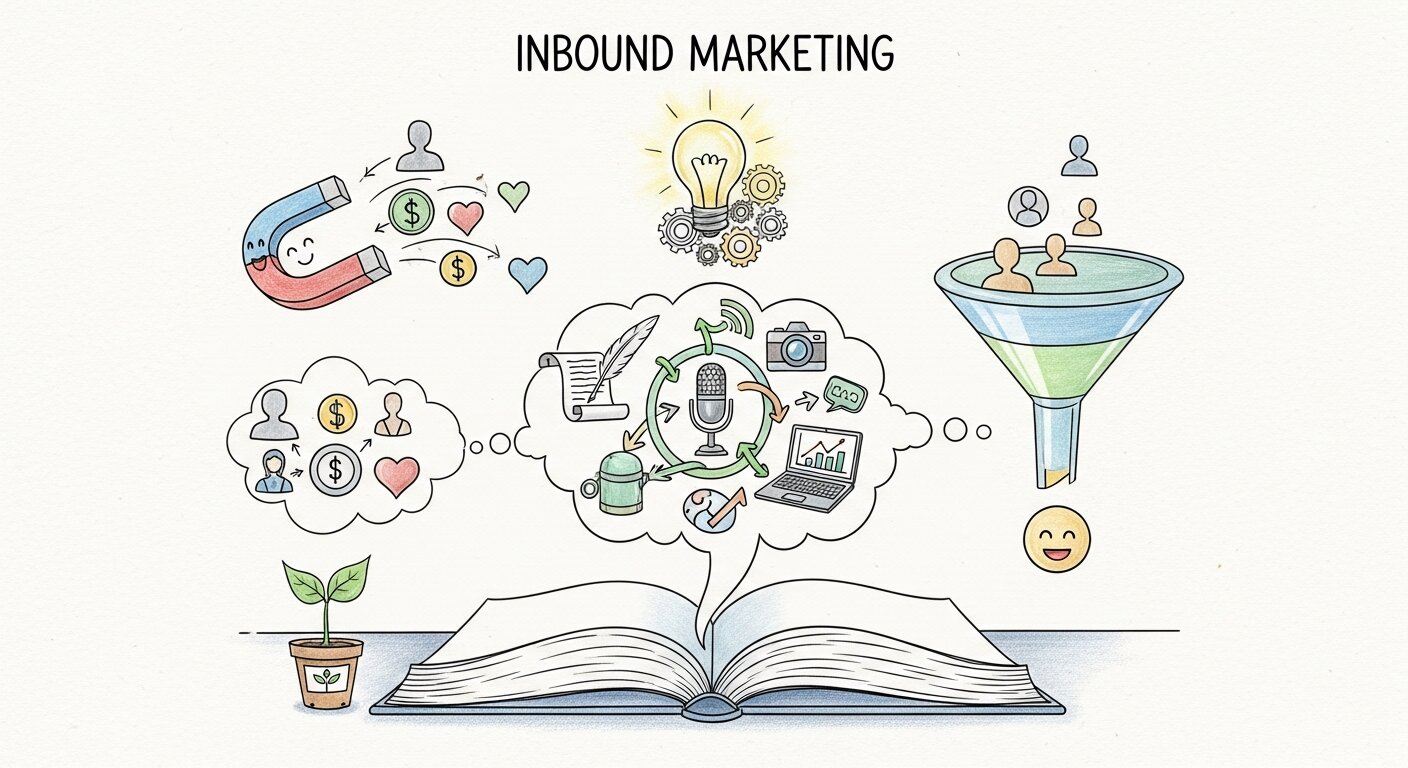
To make your references to inbound marketing clear, consistent, and professional, follow these practical directives:
Lowercase in sentences: Use inbound marketing in the body of your text, unless it begins a sentence.
Example: Our inbound marketing strategy generated 40% more leads last quarter.
Title or headline case in headers: Capitalize Inbound Marketing in titles or headings following standard title case rules.
Example: The Ultimate Guide to Inbound Marketing Success
Capitalize for brand, trademark, or style reasons: If your company or a partner brand treats Inbound Marketing as a proper noun, capitalize accordingly.
Example: We follow HubSpot’s Inbound Marketing methodology for lead generation.
Consult your company style guide: Compare your writing against internal guidelines. If no guide exists, create one for clarity and consistency.
Be consistent within a single post: Once you choose lowercase or title case for inbound marketing, stick with it throughout the article, blog post, or report. Consistency helps your audience clearly understand your content and avoids confusion.
Move forward with confidence: Once you’ve set your rules, continue creating content with clarity and poise. A consistent approach to inbound marketing capitalization reflects professionalism and authority in your writing.
Key Takeaways
Consistency is the ultimate goal. Whether lowercase or title case, apply the rules uniformly.
Style guides are your best friend. They remove guesswork and ensure uniformity across all content.
Consider audience expectations, SEO, and visual consistency before deciding how to capitalize inbound marketing.
Create internal rules if none exist—your future content will thank you.
By following these guidelines, your writing about inbound marketing will remain clear, professional, and authoritative across all platforms and content types.
Frequently Asked Questions
Should “inbound marketing” always be capitalized?
No. In standard sentences, inbound marketing is a common noun and should remain lowercase. Capitalize only in titles, headings, or when used as part of a brand name or proprietary methodology.
When should I capitalize “Inbound Marketing”?
Capitalize when it appears in title case headings, in titles of blog posts or guides, or as a brand/trademarked term like HubSpot’s methodology.
What is sentence case versus title case?
Sentence case: Only the first word of a sentence and proper nouns are capitalized.
Title case: Major words in headings or titles are capitalized, including nouns, verbs, adjectives, and adverbs, while small words like and, in, of are lowercase unless they are first or last in the title.
Does using lowercase affect SEO?
Yes, using lowercase in sentences often aligns better with user search behavior, as most people type inbound marketing in lowercase. Consistency in your content helps search engines recognize the term correctly.
Can I capitalize “Inbound Marketing” for emphasis?
Yes, some writers choose to capitalize it to emphasize that it’s a recognized methodology. This is a stylistic choice rather than a strict grammar rule.
How do I handle capitalization in email campaigns or newsletters?
Follow title case for headings or subject lines but use lowercase in body text unless the term starts the sentence. This ensures readability and professionalism.
What about capitalization in reports and presentations?
Use title case in slides, headings, or report titles. In body text, stick with lowercase unless your company style guide specifies otherwise. Consistency is key for professional appearance.
Should I follow a style guide?
Absolutely. Style guides like the AP Stylebook or Oxford Style Manual help resolve capitalization questions and maintain uniformity across blogs, emails, reports, and marketing materials.
How should I handle company-specific branding?
If your company or a partner brand treats Inbound Marketing as a proprietary term, capitalize it according to the brand’s style guide. Check internal documentation for clarity.
What is the most important rule for inbound marketing capitalization?
Consistency is the most important rule. Choose lowercase or title case based on context and stick with it throughout your content. This avoids confusion and projects professionalism.