This comprehensive guide explores the undeniable benefits of inbound marketing and its direct impact on long-term ROI. You will learn actionable strategies to boost website traffic, avoid common marketing pitfalls, implement expert tips, and align your overall strategy for sustainable business growth.
Struggling to attract high-quality leads? The benefits of inbound marketing include drawing ideal customers directly to your brand using valuable, problem-solving content that builds lasting trust.
Understanding the Core Benefits of Inbound Marketing
Businesses constantly look for better ways to connect with potential buyers. Traditional advertising often interrupts consumers. You need a strategy that pulls them in naturally. The primary benefits of inbound marketing revolve around this exact concept of magnetic attraction. By producing high-quality content tailored to your target audience, you invite prospects to engage with your brand on their own terms.
You achieve this by answering their questions and solving their problems. When you focus on providing value first, you naturally build credibility. This trust forms the foundation of a successful customer relationship. As users consume your resources, they begin to view your business as an industry authority. Over time, this dynamic shifts your brand from a vendor to a trusted advisor.
To maximize these outcomes, you must integrate a solid content marketing strategy that aligns with your buyers’ journey. When you map content to specific funnel stages, you guide prospects smoothly from awareness to decision. The benefits of inbound marketing multiply when your audience feels understood and supported rather than sold to.
How Inbound Compares to Traditional Methods
Many companies waste budget on outbound tactics that yield diminishing returns. Cold calling and mass emails annoy consumers. The benefits of inbound marketing become obvious when you contrast these two approaches. Outbound pushes a message out, hoping someone listens. Inbound pulls interested people in.
Understanding this difference is crucial for reallocating your marketing budget effectively. Let us look at a breakdown of how these strategies compare.
|
Feature |
Inbound Marketing |
Outbound Marketing |
|---|---|---|
|
Approach |
Pulls audiences in with valuable content |
Pushes messages out via interruptions |
|
Audience |
Highly targeted and specific |
Broad and general |
|
Cost |
Lower cost per lead over time |
Higher cost per lead |
|
Communication |
Two-way, interactive dialogue |
One-way broadcasting |
|
ROI Timeline |
Long-term, compounding returns |
Short-term, immediate drop-off when paused |
|
Value Provided |
Educational and helpful |
Promotional and sales-heavy |
This table highlights why the benefits of inbound marketing outlast traditional campaigns. When you invest in assets like blog posts or guides, they remain on your site permanently. They continue to attract visitors months or years after you publish them.
Unpacking the Top Benefits of Inbound Marketing for Growth
Driving business growth requires sustainable lead generation. You cannot rely on short-term ad bursts forever. The benefits of inbound marketing provide a scalable framework for continuous expansion. Let us explore the specific advantages you gain when you adopt this methodology.
Exponential Increases in Targeted Traffic
Website traffic means nothing if visitors bounce immediately. You need the right eyes on your pages. One of the main benefits of inbound marketing is the ability to attract highly targeted traffic. By optimizing your content for search engines, you capture users actively looking for your solutions.
Implementing strong semantic SEO signals ensures Google understands your topical authority. You answer specific long-tail queries that your ideal buyers type into the search bar. This relevance signals to search algorithms that your site provides the best answers.
As your organic rankings improve, your traffic grows exponentially. Unlike paid ads that stop generating traffic the moment your budget runs out, organic content delivers sustainable visibility. Ensure you link to a robust SEO optimization guide internally to train your team on best practices.
Generating Higher Quality Leads
Traffic volume matters, but lead quality pays the bills. The benefits of inbound marketing shine brightest during lead generation. Because your content targets specific pain points, the people who convert on your site already need your help.
They download your whitepapers or sign up for your webinars because they want your expertise. This pre-qualifies them. Your sales team spends less time educating cold prospects and more time closing warm deals. According to HubSpot, inbound practices produce significantly higher close rates than outbound methods.
You nurture these prospects through automated email workflows. You provide even more value, gradually introducing your product or service as the ultimate solution. This seamless transition makes the final sales conversation feel like a natural next step.
Enhancing Brand Authority and Deepening Trust
Consumers buy from brands they trust. You build this trust by consistently proving your expertise. One of the most vital benefits of inbound marketing is how it positions your company as an industry thought leader.
When you publish deeply researched articles, you show prospects you understand their industry. You provide actionable advice without asking for a credit card. This goodwill goes a long way. When buyers finally decide to make a purchase, they naturally gravitate toward the brand that helped them for free.
To boost your credibility further, you should cite reputable data. For example, referencing studies from Forrester adds immense weight to your claims. Backing your insights with verifiable data proves you are a reliable source of information.
Achieving Cost-Effective Customer Acquisition
Marketing budgets are always under scrutiny. Executives want maximum impact for minimal spend. The benefits of inbound marketing include a drastically lower Customer Acquisition Cost (CAC).
Creating a blog post or a podcast episode costs a fraction of a national television ad. Furthermore, that digital asset works for you 24 hours a day. It acts as a tireless salesperson, capturing leads while you sleep.
As your content library grows, your cost per lead drops. The initial investment pays dividends over the years. This makes inbound marketing an incredibly efficient use of your resources. You can redirect the money saved into product development or customer service.
How the Benefits of Inbound Marketing Drive Long-Term ROI
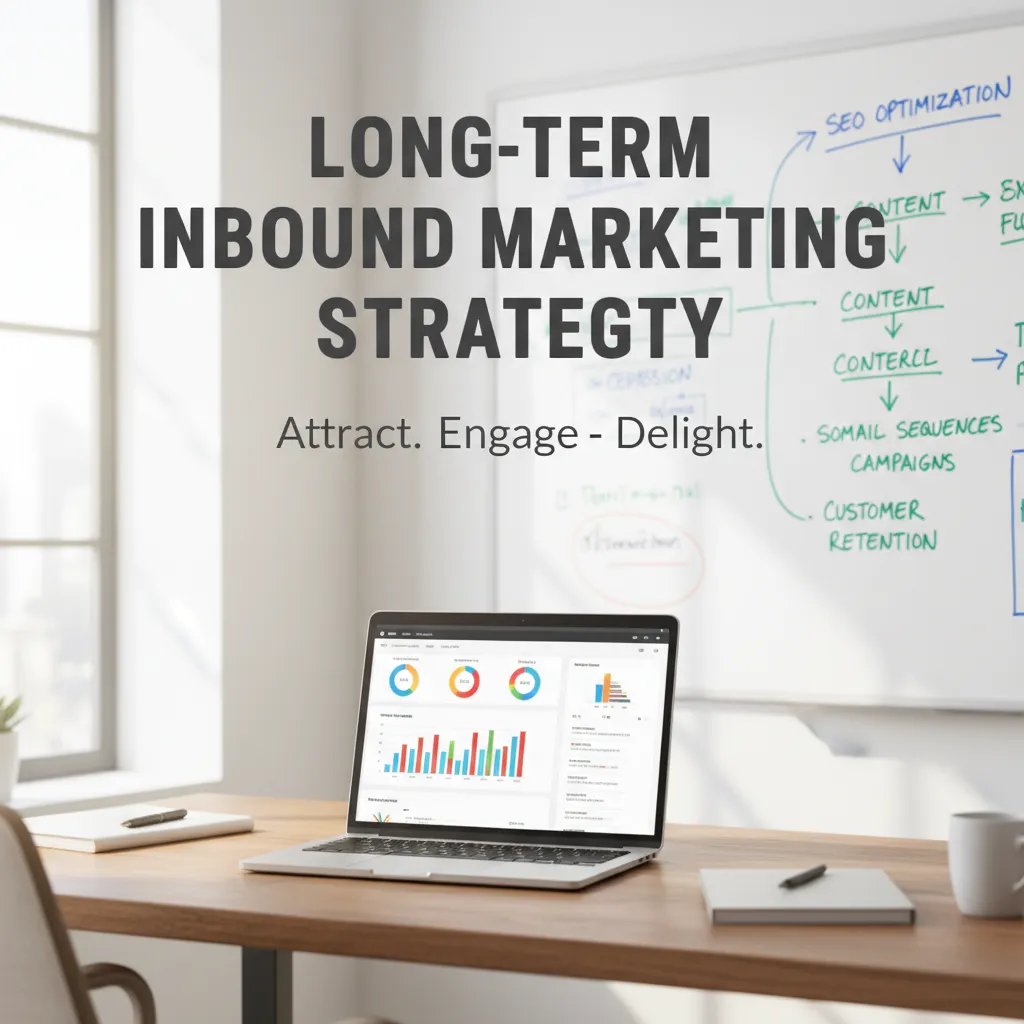
Return on investment defines the success of any marketing campaign. While outbound tactics might offer quick wins, they fail to provide lasting value—the benefits of inbound marketing focus on compounding growth and securing your long-term financial success.
The Compounding Value of Evergreen Content
Evergreen content remains relevant long after its publication date. This is the secret engine behind inbound marketing ROI. A well-written guide on industry basics will attract search traffic for years.
Each piece of content you create adds to your digital footprint. As you publish more, you create a web of interconnected assets. You use internal link building to guide users from one post to another, increasing their dwell time on your site.
This compounding effect means your marketing efforts from two years ago still generate revenue today. The Content Marketing Institute notes that content marketing generates three times as many leads as traditional marketing per dollar spent. Your ROI grows larger every single month as your assets mature.
Aligning Sales and Marketing Teams
Internal friction destroys revenue. When sales and marketing operate in silos, leads slip through the cracks. The benefits of inbound marketing extend to your internal company culture by forcing alignment.
Marketing creates content based on the questions sales hears from prospects. Sales uses that content to overcome objections during pitches. This strategy, known as assignment selling, creates a closed-loop feedback system.
Both teams work toward the same revenue goals. They share data and insights, creating a frictionless experience for the buyer. When your teams align perfectly, your conversion rates skyrocket, driving massive long-term ROI.
Nurturing Customer Loyalty and Brand Advocacy
The inbound methodology does not end when a prospect becomes a customer. You must continue to engage them to foster loyalty. The benefits of inbound marketing include turning satisfied buyers into vocal brand advocates.
You keep them engaged through exclusive newsletters, advanced tutorials, and excellent customer support. When customers achieve success using your product, they tell their peers. Word-of-mouth referrals carry incredible weight and cost you absolutely nothing.
Loyal customers also boast a higher lifetime value. They upgrade their subscriptions and purchase additional services. Maximizing customer retention through continuous inbound education guarantees a high, sustainable ROI.
Pro Tips and Expert Insights for Maximum Impact
Unlocking the full benefits of inbound marketing requires strategic execution. Following basic guidelines helps, but expert tactics push you ahead of the competition. Implement these pro tips to accelerate your results.
- Prioritize search intent over search volume. A keyword with 100 highly qualified searches is better than a keyword with 10,000 irrelevant searches.
- Leverage multimedia formats. Embed video summaries into your blog posts to increase dwell time and appeal to visual learners.
- Utilize dynamic content. Personalize your website experience based on the visitor’s past behavior to increase conversion rates.
- Update old content regularly. Refreshing a top-performing post from last year with new statistics gives it an immediate SEO boost.
- Focus heavily on conversion rate optimization for your landing pages. A small tweak to a button color or form length can double your lead volume.
Common Mistakes to Avoid in Your Strategy

Even seasoned marketers stumble. Failing to recognize pitfalls will hinder your progress. Protect your investment by avoiding these common inbound marketing mistakes.
- Publishing without a strategy. Random acts of content creation rarely yield results. You must tie every asset to a specific business goal.
- Ignoring the promotion phase. Creating great content solves only half the puzzle. You must distribute it actively via email, social media, and partner networks.
- Failing to define buyer personas. If you write for everyone, you connect with no one. Detail your ideal customer’s exact pain points and desires.
- Neglecting mobile optimization. With the majority of users browsing on phones, a poor mobile experience destroys your credibility and rankings.
- Forgetting to measure data. You cannot improve what you do not track. Use analytics software to monitor which topics drive the most revenue. Read insights from Search Engine Journal to stay updated on the latest tracking methodologies.
By avoiding these errors, you ensure the benefits of inbound marketing flow uninterrupted into your sales pipeline. Stay disciplined, track your metrics, and always put the customer’s needs first.
Conclusion
The benefits of inbound marketing deliver sustainable, compounding growth that traditional advertising simply cannot match. By creating valuable, targeted content, you attract qualified leads and secure impressive long-term ROI. Stop interrupting your audience and start helping them today. Launch your data-driven inbound marketing strategy now to transform your digital presence and dominate your industry.
FAQs
What are the main benefits of inbound marketing?
The main benefits of inbound marketing include increased targeted website traffic, higher quality lead generation, reduced customer acquisition costs, and enhanced brand authority. By focusing on delivering value, you naturally attract prospects who are actively seeking your solutions.
How does inbound marketing improve ROI?
It improves ROI through the compounding value of evergreen content. Assets like blog posts and videos continue to generate leads months or years after creation, lowering the overall cost per lead over time compared to temporary paid advertising.
Why is inbound marketing better than outbound marketing?
Inbound marketing aligns with modern consumer behavior. Instead of interrupting people with cold calls or untargeted ads, inbound pulls them in by answering their specific questions, resulting in higher conversion rates and stronger brand trust.
How long does it take to see the benefits of inbound marketing?
Typically, businesses begin to see noticeable benefits of inbound marketing within three to six months. However, the most significant ROI occurs after a year of consistent content creation and SEO optimization as search authority compounds.
What types of content work best for inbound marketing?
The most effective content types include educational blog posts, comprehensive ebooks, original research reports, engaging videos, and interactive webinars. The best format depends on your specific audience’s preferences and their stage in the buyer’s journey.
How do I measure inbound marketing success?
Measure success by tracking key performance indicators such as organic website traffic, conversion rates, cost per lead, email open rates, and ultimately, the revenue generated from inbound sources.
Does inbound marketing work for B2B companies?
Yes, it is highly effective for B2B companies. B2B sales cycles are typically longer and require more education. Providing in-depth resources helps build the necessary trust to close complex, high-ticket deals.
How does SEO tie into inbound marketing?
SEO is the mechanism that makes your inbound content visible. By optimizing your content for the keywords your audience searches for, you ensure that your helpful resources appear at the top of search engine results pages.
What is the role of social media in inbound marketing?
Social media serves as a powerful distribution channel. It allows you to share your content, engage directly with your audience in real-time, build community, and drive targeted traffic back to your website.
Can small businesses afford inbound marketing?
Absolutely. Inbound marketing is highly scalable. Small businesses can start by writing a weekly blog post and managing their own social channels, gradually expanding their efforts and budget as their traffic and revenue grow.