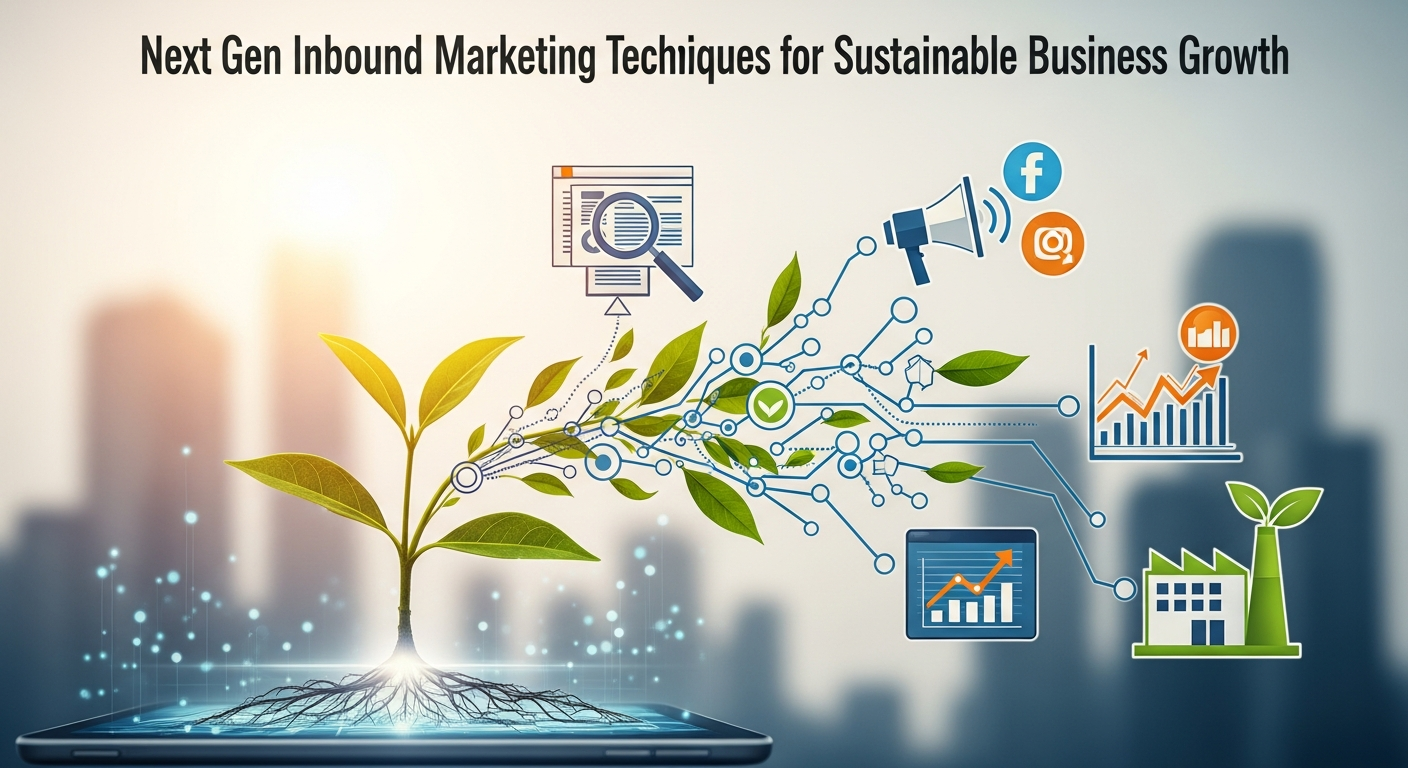
Next Gen Inbound Marketing Techniques focus on attracting customers through valuable content, intent-based targeting, and automation. They improve trust, lead quality, and long-term growth by guiding users through a personalized journey from awareness to conversion without relying on interruptive advertising.
In a market where people compare options before they buy, trust matters more than interruption. This approach has become essential for sustainable business growth because it helps brands earn attention, answer real questions, and build confidence before a sales pitch ever appears.
These methods are different from old-school promotional tactics because they align with how modern buyers behave online. Search, social proof, educational content, automation, and personalization all work together. When used well, Next Gen Inbound Marketing Techniques create a smooth journey from first click to final conversion.
At the center of this approach is human psychology. People respond to clarity, consistency, and relevance. They move forward when a brand reduces uncertainty, which is why the method focuses on value first and selling second.
Many businesses still think inbound marketing means simply posting blogs. In reality, the model is much broader. It includes content planning, intent mapping, lead nurturing, conversion design, and retention strategy. Next Gen Inbound Marketing Techniques connect all of those parts into one system.
What Are Next Gen Inbound Marketing Techniques?

Next Gen Inbound Marketing Techniques are advanced, customer-centered methods that attract the right audience and guide them toward a decision through helpful content and personalized experiences. They go beyond basic publishing by combining SEO, automation, analytics, and behavior-based messaging.
Instead of chasing every visitor, this strategy focuses on matching content with intent. A person searching for a definition needs a different message than someone comparing vendors. Next Gen Inbound Marketing Techniques make that distinction clear and useful.
Why They Matter for Growth
Business growth is stronger when it compounds over time. Paid campaigns can stop the moment the budget stops, but evergreen content and automated nurturing keep working. Next Gen Inbound Marketing Techniques help businesses build assets that continue to attract leads long after publication.
They also reduce wasted effort. When content is built around actual audience needs, fewer visitors bounce and more become qualified leads. That is one reason Next Gen Inbound Marketing Techniques are now central to modern growth planning.
Another advantage is authority. Helpful education positions a company as a trusted guide instead of a pushy seller. Over time, Next Gen Inbound Marketing Techniques can improve brand reputation, referral rates, and customer loyalty.
How the System Works
The process starts with intent research. You identify the questions, concerns, and goals your audience already has. Then you build content that answers those needs at each stage of the journey. Next Gen Inbound Marketing Techniques work best when every asset serves a clear purpose.
After that, you distribute the content across the right channels. Search engines, social platforms, email, and internal links all help move people from awareness to interest. Next Gen Inbound Marketing Techniques become far more effective when discovery is intentional rather than accidental.
Lead capture comes next. A useful guide, checklist, calculator, or webinar can turn anonymous visitors into known prospects. Once someone enters the system, Next Gen Inbound Marketing Techniques keep them engaged with follow-up content that feels timely and relevant.
Finally, measurement closes the loop. You review traffic, conversions, engagement, and lead quality. Then you refine the message, the format, and the offer. Next Gen Inbound Marketing Techniques improve through iteration, not guesswork.
Guide to Building the Strategy
Begin by defining the audience. Be specific about their role, pain points, goals, and buying stage. Without this clarity, even strong content can feel generic. Next Gen Inbound Marketing Techniques depend on precision because relevance drives response.
Next, map content to each stage of the funnel. Educational posts work well for awareness. Comparisons, case studies, and explainer videos support consideration. Offers like demos or consultations help in the decision phase. Next Gen Inbound Marketing Techniques create momentum when each piece pushes the journey forward.
Then build a content hub around one main topic and supporting subtopics. This structure improves SEO and helps readers navigate the subject easily. Next Gen Inbound Marketing Techniques become stronger when content is interconnected rather than scattered.
Step by Step Implementation
Step one is research. Use keyword tools, customer interviews, sales calls, and search queries to learn what people want. Next Gen Inbound Marketing Techniques start with audience insight, not with assumptions.
Step two is content creation. Write high-value pages that solve real problems and answer real questions. Each article, video, or downloadable asset should feel useful on its own. Next Gen Inbound Marketing Techniques are most persuasive when they teach before they sell.
Step three is optimization. Improve headings, meta descriptions, internal links, loading speed, and readability. Search visibility matters, but so does user experience. Next Gen Inbound Marketing Techniques perform better when the page itself is easy to trust and easy to use.
Step four is distribution. Share content through email, social media, communities, and retargeting. A strong asset still needs visibility. Next Gen Inbound Marketing Techniques work best when they are promoted consistently across multiple touchpoints.
Step five is nurturing. Use email sequences and automation to keep the conversation alive after the first interaction. Personalized nurturing is one of the most powerful parts of Next Gen Inbound Marketing Techniques because it keeps relevance high over time.
Step six is testing. Try different headlines, formats, calls to action, and offers. Small improvements can create meaningful gains. Next Gen Inbound Marketing Techniques reward businesses that are willing to refine based on data.
Benefits for Sustainable Business Growth
One major benefit is lead quality. Because the audience self-selects through helpful content, the leads are often more informed and more ready to engage. Next Gen Inbound Marketing Techniques make qualification feel natural.
Another benefit is lower acquisition waste. You are not paying repeatedly for cold outreach that gets ignored. Instead, you are building an engine that attracts interested people. Next Gen Inbound Marketing Techniques can improve efficiency while supporting scale.
These methods also support brand consistency. When content, email, and sales messaging all match, the customer experience feels smoother. This approach helps businesses stay clear and cohesive across channels.
Long-term credibility is another gain. People remember brands that teach them something useful. Next Gen Inbound Marketing Techniques create that kind of memory, which is valuable when buyers are ready to choose.
Strategies That Work in the Real World
Use pillar pages to cover major topics in depth, then support them with smaller articles that answer specific questions. This improves discoverability and helps readers move deeper into the topic. Next Gen Inbound Marketing Techniques become much easier to scale with this structure.
Create lead magnets that solve a narrow problem quickly. Templates, checklists, and mini guides often perform well because they offer immediate value. Next Gen Inbound Marketing Techniques work best when the exchange feels fair and useful.
Add social proof early. Testimonials, case studies, and examples reduce hesitation and make the offer feel safer. People need confidence before they convert, and Next Gen Inbound Marketing Techniques should always support that confidence.
Use segmentation so different audiences receive different messages. A new visitor should not be treated the same as a returning prospect. Next Gen Inbound Marketing Techniques become more persuasive when each person sees content that fits their stage.
Align marketing with sales. When both teams share the same language and definition of a qualified lead, conversion improves. Next Gen Inbound Marketing Techniques perform best in a connected revenue system.
Modern Inbound Marketing Techniques Explained Simply
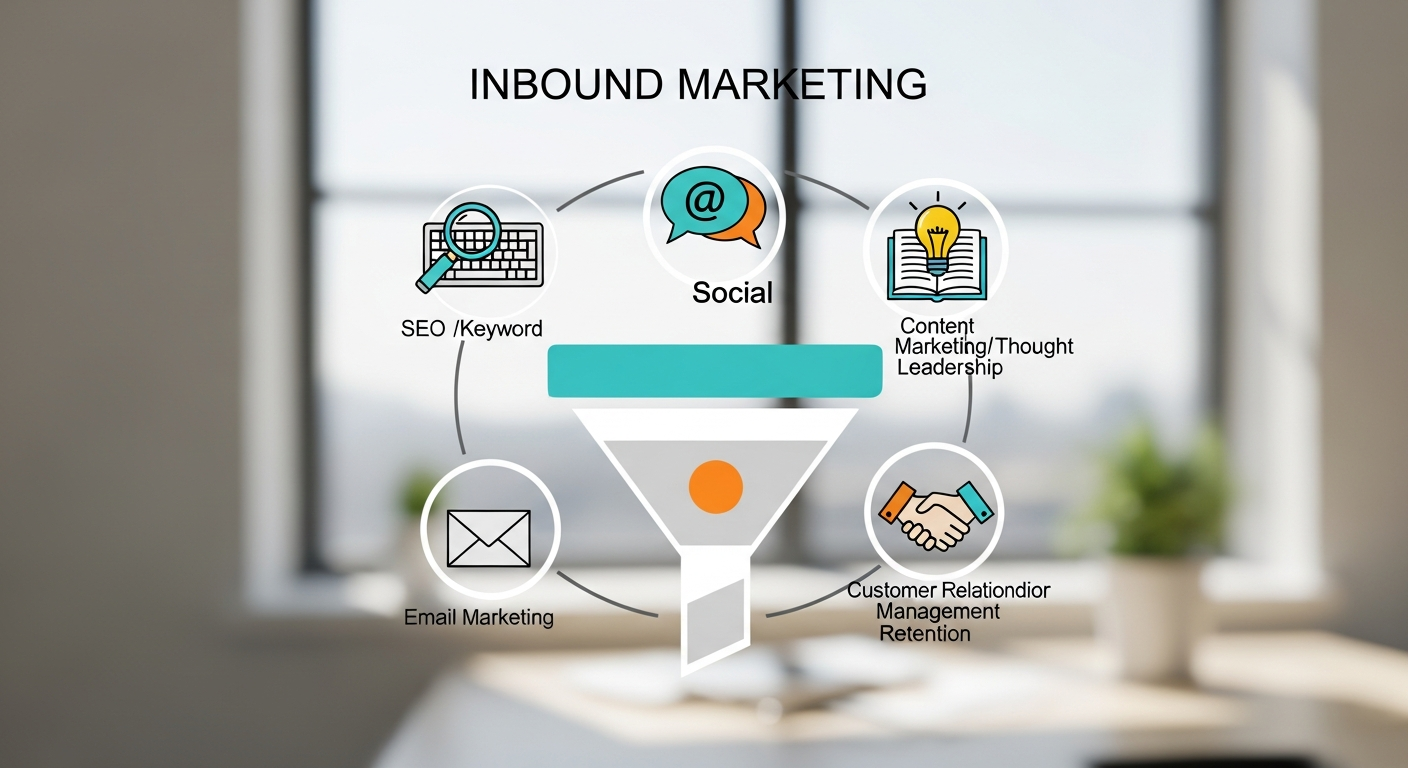
Think of modern inbound as helping people at the right time with the right information. The better the match, the better the response. This method simply makes that process more intelligent and more scalable.
They use content to attract, automation to nurture, and data to improve. That combination turns marketing into a guided experience instead of a random series of posts. Next Gen Inbound Marketing Techniques are effective because they respect attention.
Future Trends to Watch
AI-assisted content workflows will continue to grow, but human strategy will still matter most. Tools can speed up research and personalization, yet the message still needs empathy and clarity. Next Gen Inbound Marketing Techniques will become even stronger when technology supports better judgment.
Interactive tools will also play a bigger role. Quizzes, calculators, assessments, and product finders give users immediate value while revealing intent. Next Gen Inbound Marketing Techniques fit this trend because they are built around engagement, not interruption.
Privacy expectations will rise as well. First-party data, transparent consent, and trust-based communication will matter more than ever. Methods that respect user control will likely have a long-term advantage.
Common Mistakes to Avoid
Do not publish without purpose. Random content rarely builds momentum. Every piece should support a goal inside the funnel. Next Gen Inbound Marketing Techniques work only when content has direction.
Do not focus only on traffic. Visits are helpful, but conversions and lead quality matter more. Next Gen Inbound Marketing Techniques should be judged by business results, not just page views.
Do not ignore customer emotions. Buyers need reassurance, not pressure. Trust, clarity, and simplicity often decide whether someone acts. Next Gen Inbound Marketing Techniques should always reduce friction.
Conclusion
If your goal is sustainable business growth, this approach gives you a clear path. It replaces interruption with value and turns marketing into a long-term asset. Next Gen Inbound Marketing Techniques are powerful because they align with how modern buyers think and decide.
Brands that succeed in the future will not be the loudest. They will be the most useful, the most relevant, and the most consistent. Next Gen Inbound Marketing Techniques make that possible by building trust before the sale and loyalty after it.
Over time, this creates a brand presence that feels reliable instead of noisy. People return because the content consistently solves problems and removes doubt.
That reliability is what turns first-time attention into repeat visits, stronger loyalty, and more confident buying decisions.
Today.
FAQ
What are Next Gen Inbound Marketing Techniques?
Next Gen Inbound Marketing Techniques are modern methods for attracting, engaging, and converting audiences through useful content, personalization, and automation.
How do they work?
They work by matching content to intent, guiding users through the journey, and nurturing them until they are ready to convert.
Why are they important?
They are important because they build trust, improve lead quality, and support sustainable growth without relying only on paid promotion.
Can small businesses use them?
Yes. Small businesses can start with one strong guide, one lead magnet, and one email sequence, then expand as results grow.
Are they better than traditional marketing?
They are often more sustainable because they focus on relevance, trust, and long-term customer value rather than short-term interruption.