
Goal setting gives inbound marketing direction, focus, and measurability. By aligning SMART goals with the funnel and data insights, businesses can drive sustainable growth, improve collaboration, and optimize performance across traditional and NFT marketing campaigns.
Successful inbound marketing campaigns don’t materialize by chance. They are forged with well-defined strategies which permit companies to attract, engage and positively revel in their target audiences. Behind every successful campaign lie a set of definite goals of which few people are aware.
Because it provides direction and measurement, goal setting is crucial in inbound marketing. Without goals, marketing strategies may seem highly speculative and aimless, expend energy and finances but fail to achieve success.
What Does Goal Setting in the Context of Inbound Marketing Mean?

Goal setting for inbound marketing means establishing clear, executable and measurable objectives which are all in line with your company’s broader business goals. These objectives could be to produce more traffic to your website, capturing more leads, continuously increasing your customer base or improving sales ratios.
The principles of effective goal setting are elaborated on in the mnemonic “SMART”:
Specific, Measurable, Achievable, Relevant, Time-bound.
For example, in place of the slightly obscure goal “increase web traffic,” a SMART goal might be “raise website visits by 25% within three months through social content generation and social media linkage.”
The result is a series of pure and tangible data which your inbound marketing campaign can then act upon directly.
Why Is Goal Setting So Important in Inbound Marketing?
It Aids in Orientation and Heightens Focus
Inbound marketing contains many elements from blog and search engine optimization to email campaigns and social media. Without clearly defined goals, marketers may end up using several methods without a unified strategy.
The end result of setting business goals is to get a return on investment. This prevents you from squandering your efforts with tactics that do not serve a larger, more meaningful goal—like, for example, getting it in front of everybody, which might be accomplished using social media likes.
It Enables Measurement Of Results
When your measure is something like the successful implementation of an inbound marketing campaign that is simply impossible to quantify, this is where goal setting comes in handy. It gives you a performance benchmark and can be checked against the figures you get.
Measurable goals—for instance, generating 500 new leads within one month—enable you to track specific metrics and gauge performance accurately for your campaigns.
Putting this another way: As soon as a goal is expressed in numbers like that, and the business team prepares its strategy according to it, you will find that everyone is involved in the result.
Keep Your Marketing Team Motivated
Working toward a clearly defined objective greatly inspires people.
Once concrete and attainable objectives are set, they give your team something to strive for and create the sense that someone is aiming at a purpose — achievement.
For example, a goal such as “publish 10 blog posts and get 3,000 new page views each month” keeps everybody working in the same direction and fired. Power in action is celebration—when goals are reached, to boost morale and bring fresh enthusiasm in ready for what comes next.
How to Set Inbound Marketing Goals with Big Results: A 4-Step Guide

Step 1: Learn about Your Target Audience
The first step in inbound marketing is to think about your audience, because that’s where it all starts! Who are they? Where do they hurt? What kinds of solutions are necessary from you or someone else outside?
Clarity on your audience will help you meet goals that resonate with your ideal customers.
Step 2: Put Your Goals in Line with the Marketing Funnel
Decide which stage of the marketing funnel your goals belong to:
- Top-of-funnel (Awareness): Increase website visitors or name recognition for your business.
- Middle of Funnel (Consideration): Generate leads or discuss business with clients.
- Bottom of Funnel (Decision): Turn leads into paying customers.
By setting goals for each stage, you are not only satisfying the overall strategy for inbound but rather looking out after your whole buyer’s journey.
Step 3: Create SMART Goals
Use the SMART method:
- Specific: Define what you want to accomplish.
- Measurable: Specify metrics or KPIs for tracking your progress.
- Achievable: Set doable targets based on past performance and industry norms.
- Realistic: Synchronize with business objectives.
- Time-bound: Have set start and end dates in line with larger plans.
Step 4: Turn Big Goals into Little Activities
Big goals may be overpowering. Chop them up into small activities that make it easy to keep going.
For example:
Goal: Increase traffic to your blog by 50% over the next 6 months.
- Perform keyword research.
- Publish two blog posts per week.
- Share content to social networks.
With SEMrush, HubSpot, or Google Analytics, keep abreast of each campaign’s performance. If you’re below par, do an in-depth analysis and tweak it using data-driven changes.
A Real-World Example of Goal Setting in Action
Case Study
After identifying a need to generate new leads for their SaaS platform, a software company was able to meet this demand by using inbound marketing goals:
- Specific Goal: Generate 1,000 new leads as a result of content marketing in only 90 days.
Strategy:
- A long-form blog post every other week
- An e-book download gated for email capture
- A carved social media campaign targeting LinkedIn users
Results:
- Traffic to the website increased by 60%
- In 90 days, the company recorded 1,200 leads—exceeding its target.
This structured way of working underscores how goal setting can turn vague ideas into concrete results.
Aligning Inbound Goals with the Marketing Funnel
Effective inbound goals should align with each stage of the marketing funnel. At the awareness stage, goals may focus on increasing organic traffic or social reach. In the consideration stage, objectives shift toward lead generation, email sign-ups, or content downloads. At the decision stage, goals prioritize conversions, demos, or purchases. This alignment ensures a seamless buyer journey and prevents funnel gaps. By setting goals for each stage, marketers can nurture prospects systematically rather than relying on one-off campaigns. Funnel-based goals ensure balanced growth and long-term customer acquisition.
Data-Driven Goal Setting Using Analytics Tools
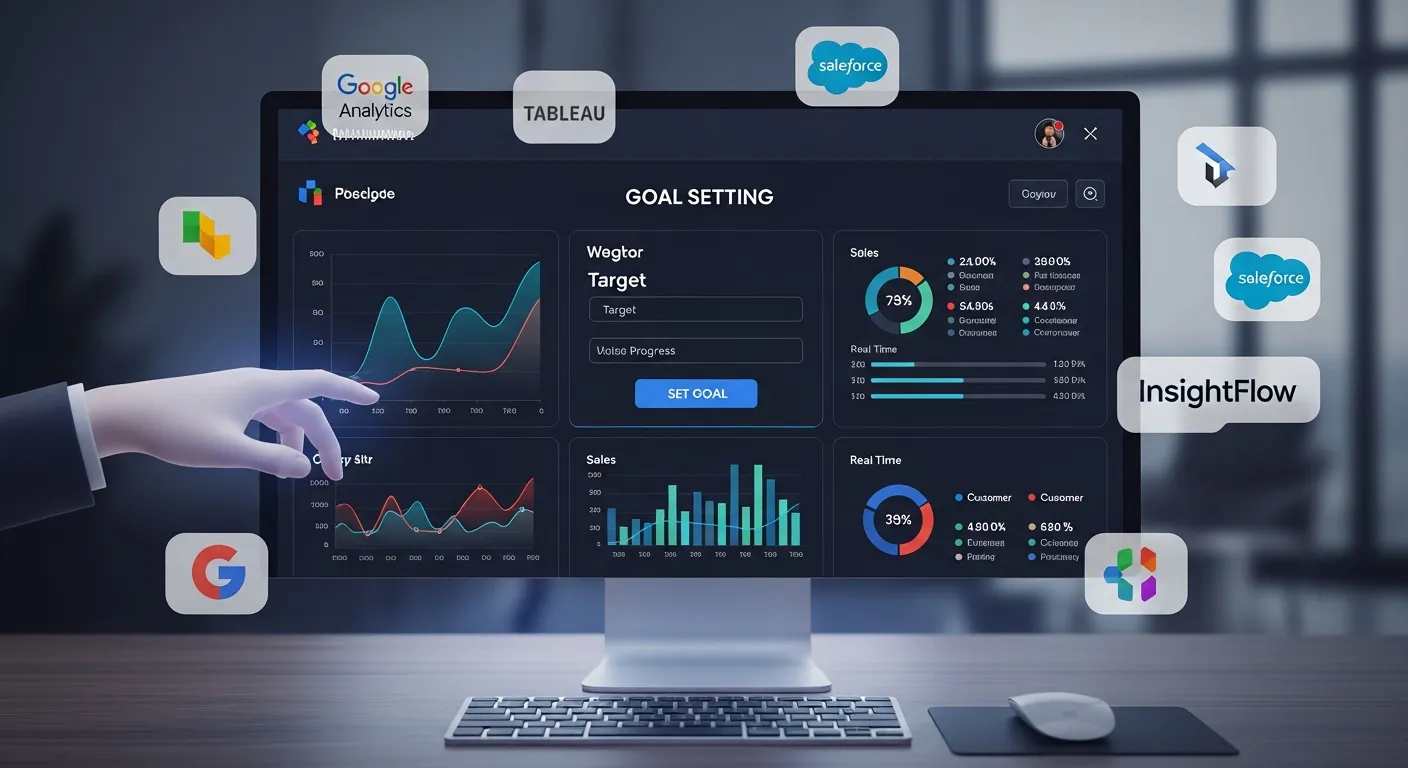
Inbound marketing goals must be grounded in data, not assumptions. Analytics tools like Google Analytics, HubSpot, SEMrush, and CRM platforms provide insights into past performance and audience behavior. These insights help marketers set realistic benchmarks and identify opportunities for improvement. Data-driven goals reduce risk and increase predictability. For example, if organic traffic grew 10% last quarter, aiming for 15–20% growth may be achievable. Regular reporting allows teams to track progress and pivot strategies quickly. Analytics turn goal setting into a continuous improvement process.
Measuring Progress and Optimizing Campaigns
Goals enable measurement, and measurement enables optimization. When inbound goals are clearly defined, marketers can track KPIs such as traffic growth, conversion rates, engagement, and retention. If performance falls short, data reveals where adjustments are needed—content quality, targeting, timing, or channels. This iterative process ensures campaigns improve over time rather than stagnate. Optimization is not about perfection but responsiveness. Inbound marketing becomes more efficient when teams regularly analyze results and refine tactics based on real-world performance.
Boosting Team Collaboration Through Shared Goals
Clear goals unify marketing teams. Writers, designers, SEO specialists, and social media managers all understand how their work contributes to shared outcomes. This alignment reduces duplication, improves communication, and strengthens accountability. When goals are transparent, collaboration improves naturally because everyone works toward the same destination. Teams can celebrate milestones together, which boosts morale and motivation. Goal setting turns individual tasks into collective achievements, making inbound marketing more efficient and rewarding.
Common Goal-Setting Mistakes to Avoid
Many inbound strategies fail due to poor goal-setting practices. Common mistakes include setting vague objectives, tracking too many goals at once, or failing to communicate goals across teams. Another mistake is ignoring historical data and setting unrealistic targets. These errors lead to frustration and misaligned efforts. Successful inbound marketers focus on a small number of high-impact goals, review them regularly, and adjust based on performance. Avoiding these pitfalls ensures goals remain actionable and effective.
Adapting Goals as Markets and Audiences Change
Inbound marketing operates in dynamic environments. Audience behaviour, platforms, and competition evolve constantly. Effective goal setting accounts for this by remaining flexible. Regular reviews allow marketers to adjust targets based on new insights or shifting priorities. Adaptable goals ensure relevance without losing strategic focus. This agility is essential for long-term inbound success, especially in fast-moving digital industries.
Goal Setting for Small and Growing Businesses
Small businesses benefit greatly from inbound goal setting because resources are limited. Focused goals help prioritize activities that deliver maximum impact. Instead of chasing scale immediately, small teams can concentrate on building authority, trust, and qualified leads. Clear objectives prevent wasted effort and accelerate growth. As the business expands, goals can scale accordingly while maintaining strategic clarity.
Goal Setting for NFT and Web3 Inbound Marketing
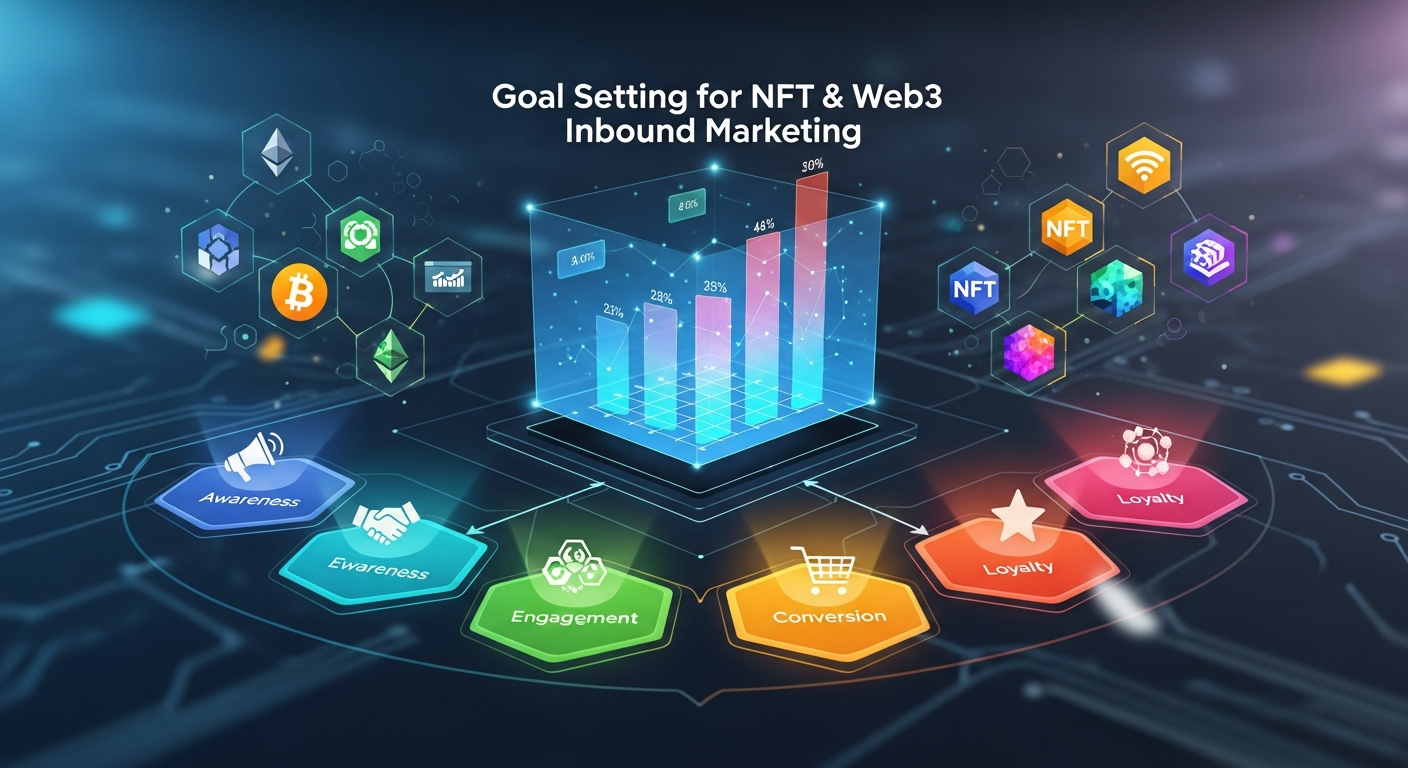
In NFT marketing, inbound goals are critical for building trust and community. Rather than focusing only on sales, NFT projects benefit from goals tied to education, engagement, and long-term holder retention. Objectives may include Discord growth, content engagement, or repeat collector activity. Clear inbound goals help NFT brands avoid hype-driven strategies and focus on sustainable value creation. By aligning inbound goals with community building, NFT marketers can foster loyalty and long-term brand equity.
Your Marketing Transformation with Clear Goals
If you do any inbound marketing at all, you can’t avoid setting goals for your business. It’s a living guide to success, making sure your endeavors produce measurable results that live up to not only the marketing plan but also overall business objectives.
Start your objective-setting today and witness how your pursuit of new leads will prosper. For help in setting goals tailored to the actual experience of your company, and other professional advice to improve your inbound marketing strategy, be sure to add our blog to your favorites or get in touch with our service professionals.
Working together, we will help you be successful!
FAQs: Goal Setting in Inbound Marketing
1. What is goal setting in inbound marketing?
Goal setting in inbound marketing is the process of defining clear, measurable objectives that guide content creation, channel selection, and performance tracking. These goals ensure that every inbound activity—blogs, SEO, email, and social media—supports business growth rather than producing isolated results.
2. Why are goals important for inbound success?
Goals give inbound marketing direction and purpose. Without them, campaigns become scattered and difficult to evaluate. Clear objectives help marketers focus resources, measure progress, justify budgets, and continuously improve results through data-driven decisions.
3. How do goals align marketing with business growth?
Inbound goals translate high-level business objectives—such as revenue growth or brand awareness—into actionable marketing outcomes. This alignment ensures that traffic, leads, and conversions directly support company priorities instead of vanity metrics.
4. How do SMART goals improve inbound campaigns?
SMART goals make inbound strategies actionable by being Specific, Measurable, Achievable, Relevant, and Time-bound. They eliminate vague targets and provide concrete benchmarks, allowing marketers to track performance and optimize campaigns efficiently.
5. Which KPIs matter most in inbound marketing?
Key inbound KPIs include website traffic, engagement rates, lead quality, conversion rates, customer acquisition cost, and retention. These metrics reveal how effectively inbound campaigns attract, convert, and nurture audiences over time.
6. How often should inbound goals be reviewed?
Inbound goals should be reviewed monthly or quarterly, depending on campaign size. Regular reviews help identify performance gaps early, adapt to market changes, and refine strategies for better results.
7. Can inbound goals change over time?
Yes. Inbound goals should evolve based on analytics, audience behavior, and business priorities. Flexible goal setting allows marketers to remain competitive while maintaining strategic focus.
8. What happens without clear inbound goals?
Without goals, inbound marketing efforts lack focus and accountability. Teams may produce content and run campaigns without knowing what success looks like, making results difficult to measure and improve.
9. Are inbound goals different for small businesses?
Small businesses often set more focused inbound goals, prioritizing lead generation, visibility, or community building. While scale differs, the principles of SMART goal setting remain the same.
10. How does goal setting improve team collaboration?
Clear goals align team members around shared priorities. Writers, designers, and marketers understand their roles, communicate more effectively, and work toward common outcomes, increasing productivity and accountability.
11. Can inbound goals support NFT marketing?
Absolutely. In NFT marketing, inbound goals help focus on community growth, education, engagement, and long-term holder retention rather than short-term hype. Clear objectives build trust and sustainable value.
12. Which tools help track inbound marketing goals?
Popular tools include Google Analytics, HubSpot, SEMrush, CRM platforms, and social media analytics. These tools track performance, visualize progress, and support data-driven goal optimization.