Inbound marketing packages offer a scalable, cost-effective growth system combining content, SEO, automation, and analytics to attract, nurture, and convert customers while building long-term trust and brand authority.
Inbound marketing has become a go-to strategy for businesses looking to attract, engage, and delight their ideal customers. But as companies grow, managing an effective inbound strategy becomes increasingly complex. This is where inbound marketing packages come into play, helping businesses streamline their efforts while maximizing results.
If you’re considering adopting inbound marketing or simply looking to refine your current strategy, this guide is for you. We’ll break down what inbound marketing packages entail, why they’re beneficial, and how to choose the right one for your business.
What Are Inbound Marketing Packages?
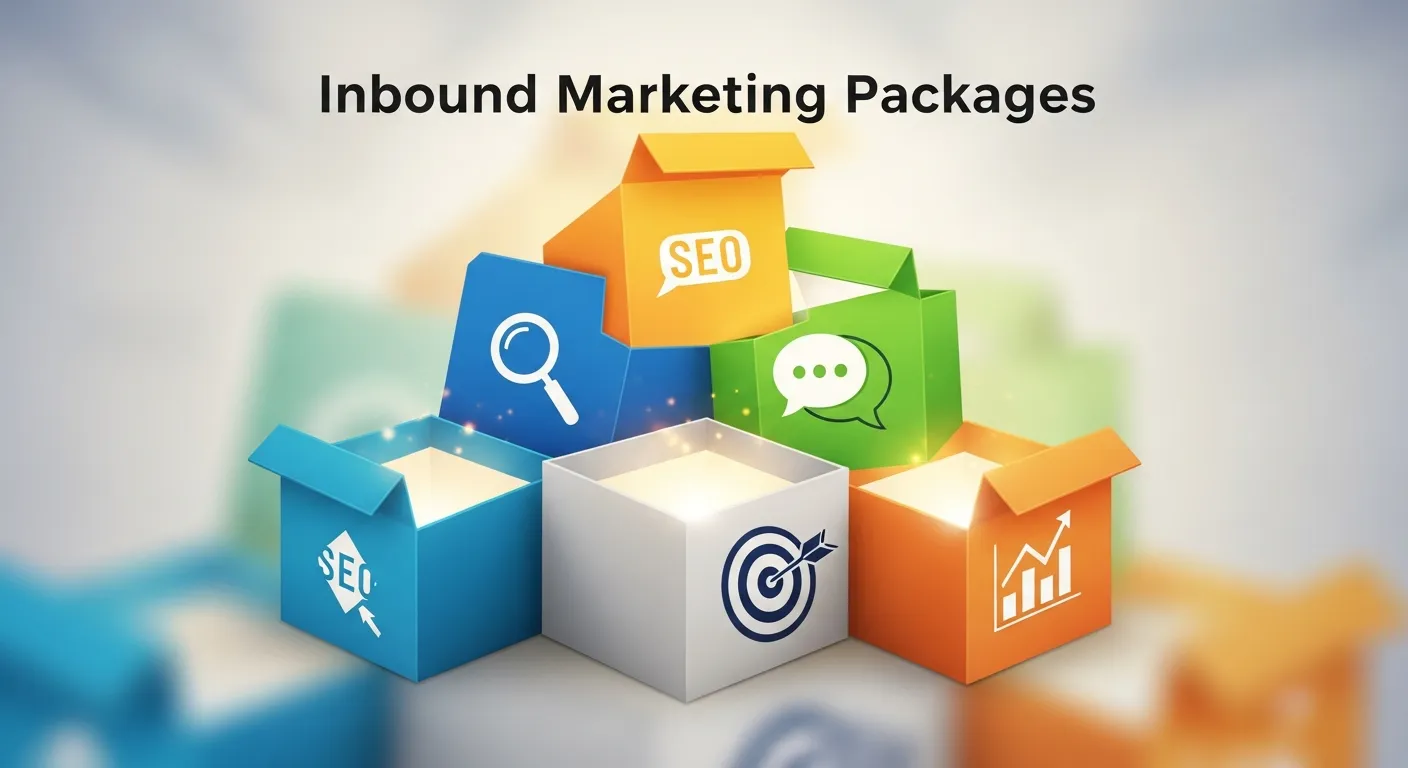
An inbound marketing package is a comprehensive set of services offered by marketing agencies to help businesses execute and manage inbound strategies effectively. These packages are tailored to focus on core inbound practices like attracting website visitors, converting leads, closing customers, and nurturing long-term relationships. Learn more about Inbound Marketing Automation.
What’s Included in an Inbound Marketing Package?
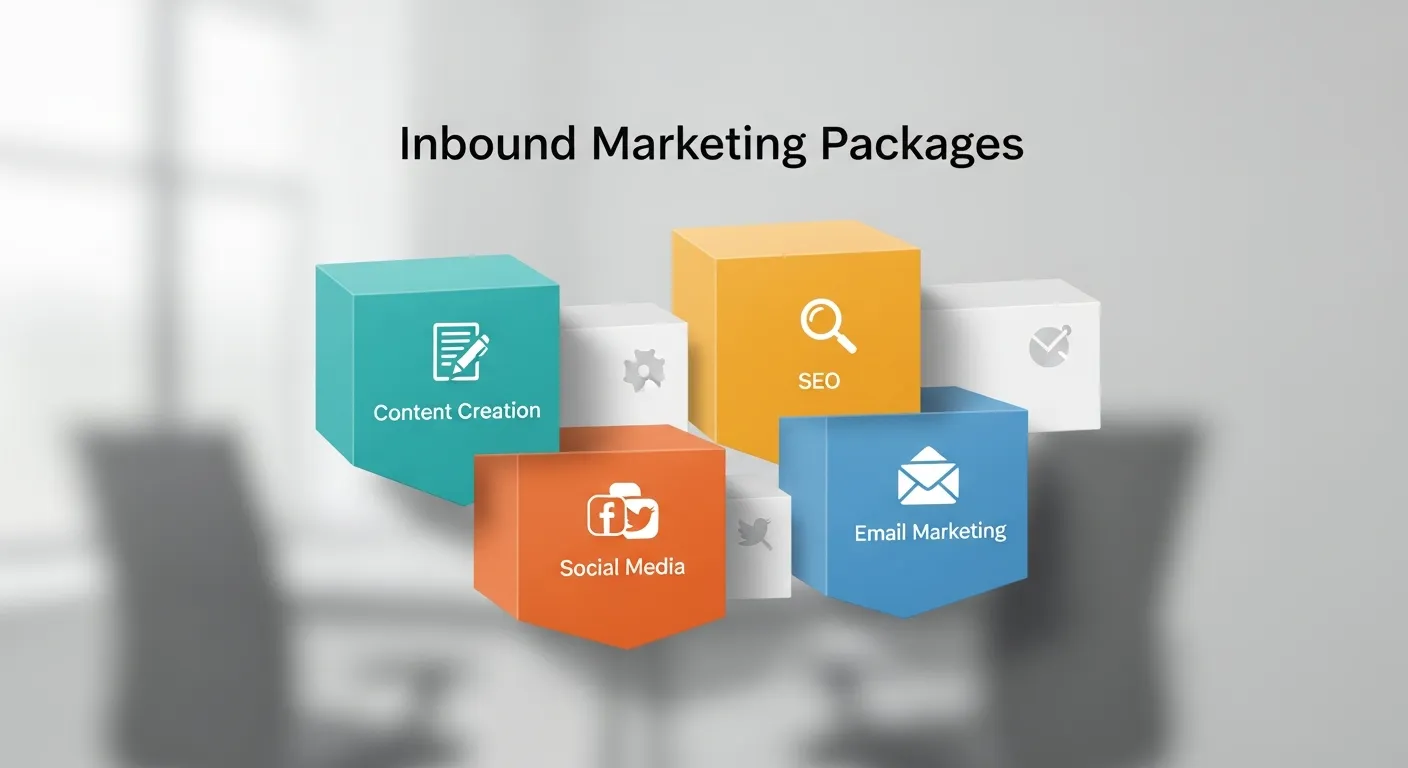
The contents of inbound marketing packages may vary from agency to agency, but most include the following components:
- Content Creation: Blog posts, landing pages, email campaigns, eBooks, and other forms of content designed to attract and engage your target audience.
- Search Engine Optimization (SEO): Keyword research, on-page optimization, technical SEO improvements, and strategies to help your site rank higher on search engines.
- Social Media Management: Regular posting, audience engagement, and analytics tracking across social platforms.
- Email Marketing Campaigns: Drip campaigns, lead nurturing emails, and one-off promotional messages.
- Lead Generation & Conversion Optimization: Tools and techniques like CTAs (calls to action), A/B testing, forms, and optimized landing pages to boost lead acquisition.
- Analytics and Reporting: Tracking website performance, lead behavior, and campaign success, presented in regular reports.
- Strategy Development: A tailored inbound marketing strategy based on your business goals and target audience.
Each component works together like a well-oiled machine, ensuring your inbound approach remains consistent and effective.
Why Should Your Business Invest in an Inbound Marketing Package?
If you’re wondering whether an inbound marketing package is worth the investment, consider these benefits:
1. Save Time and Resources
Managing multiple aspects of inbound marketing can be taxing, especially if you’re overseeing everything in-house. With an inbound marketing package, you gain access to a team of experts who take these responsibilities off your plate so you can focus on running your business.
2. Professional Expertise
Agencies offering inbound marketing packages specialize in this field. Their expertise means they understand best practices, industry trends, and advanced tools to drive results for your campaigns.
3. Strategic Alignment
Every component of an inbound marketing package works toward your larger business goals. From increasing organic traffic to nurturing leads and driving conversions, the package ensures all strategies are aligned with your objectives.
4. Flexibility to Scale
Inbound marketing packages often come in tiered pricing models, including options for small businesses, medium-sized companies, and enterprises. This flexibility allows you to scale your marketing efforts without overcommitting resources.
5. Access to Advanced Tools
By purchasing a package, you often gain access to tools and software that may be too expensive to manage on your own, such as HubSpot, SEMrush, or Canva.
How to Choose the Right Package for Your Business
Not all inbound marketing packages are created equal. To maximize your ROI, you’ll need to choose one that aligns with your business goals. Here’s a step-by-step guide for evaluating your options:
Define Your Objectives
What do you want to achieve? Increased website traffic? Better leads? Higher customer retention? Knowing your goals will help you choose a package that prioritizes the services that matter most to you.
Evaluate the Scope of Services
Check what services the package includes. Does it cover all aspects of inbound marketing, or does it focus on one area, like content or SEO? Ideally, you want a package that’s comprehensive and holistic.
Assess the Agency’s Experience
Work with an agency that has experience in your industry. Review their case studies, client testimonials, and past successes to ensure they’re a good fit.
Look at Cost vs. Value
While budget is important, don’t simply choose the cheapest package. Consider the long-term value of what you’re paying for. A slightly higher cost may yield significantly better results.
Request a Custom Plan
For businesses with unique goals, many agencies offer the option to customize packages. Don’t hesitate to ask for tailored recommendations based on your needs and market.
What Types of Businesses Benefit Most from These Packages?
While inbound marketing packages are customizable, certain types of businesses tend to benefit the most from using them:
- SaaS Companies: Generate leads and nurture them through the buyer’s journey with consistent, educational content.
- eCommerce Brands: Use inbound marketing to drive traffic to product pages and convert casual shoppers into loyal customers.
- Professional Services: Build trust and authority within your niche by showcasing expertise through blogs, whitepapers, and case studies.
- Startups: Gain visibility and traction with cost-effective inbound strategies that build lasting customer relationships.
If your business falls into one of these categories, using a pre-designed inbound marketing package can offer targeted, proven solutions to grow your brand.
Take the First Step Toward Effective Marketing
Inbound marketing packages are more than just a convenience; they’re an essential tool for sustained growth. They offer the expertise, tools, and scalability your business needs to thrive in today’s competitive environment.
If you’re ready to enhance your inbound marketing strategy and start converting visitors into loyal customers, look for an inbound marketing package tailored to your needs. The investment could be the key to driving long-term success for your business.
Reporting, Analytics, and Continuous Improvement
Inbound marketing packages rely heavily on data. Regular reports track traffic sources, lead behaviour, content performance, and ROI. Agencies use these insights to refine strategies, double down on what works, and eliminate inefficiencies. This data-driven approach ensures continuous improvement rather than guesswork, helping businesses stay competitive.
Brand Authority and Trust Building
Inbound marketing builds credibility over time. Consistent, high-value content positions brands as industry experts. Trust-driven marketing leads to higher referral rates, better customer retention, and stronger brand loyalty. Inbound packages help businesses become trusted resources rather than just vendors.
Cost Efficiency Compared to Outbound Marketing
Inbound marketing packages deliver long-term value at lower costs than traditional outbound marketing methods. While ads stop when budgets end, inbound content continues generating leads. Over time, cost per lead decreases while ROI increases. This makes inbound ideal for businesses seeking sustainable growth.
Scalability for Growing Businesses
Inbound marketing packages are designed to scale. Whether increasing content output, expanding channels, or entering new markets, packages grow with your business. This flexibility ensures marketing efforts never become bottlenecks during expansion phases.
Reporting, Analytics, and Continuous Optimization
A key strength of inbound marketing packages is continuous optimization through data-driven insights. Agencies monitor website traffic, content performance, lead behavior, conversion rates, and ROI using advanced analytics tools. These insights reveal what content attracts high-quality leads, which channels drive the most engagement, and where prospects drop off in the funnel. Based on real data—not assumptions—strategies are refined monthly to improve efficiency and results. This ongoing optimization ensures marketing efforts evolve with audience behavior, algorithm changes, and business goals, creating sustainable growth rather than one-time wins.
Why Inbound Marketing Packages Deliver Long-Term Value
Inbound marketing packages help businesses save time, access expert strategy, align marketing with business goals, and scale efficiently. Unlike outbound methods, inbound compounds over time—lowering cost per lead while increasing authority and trust.
Inbound Marketing Packages for NFT & Web3 Projects
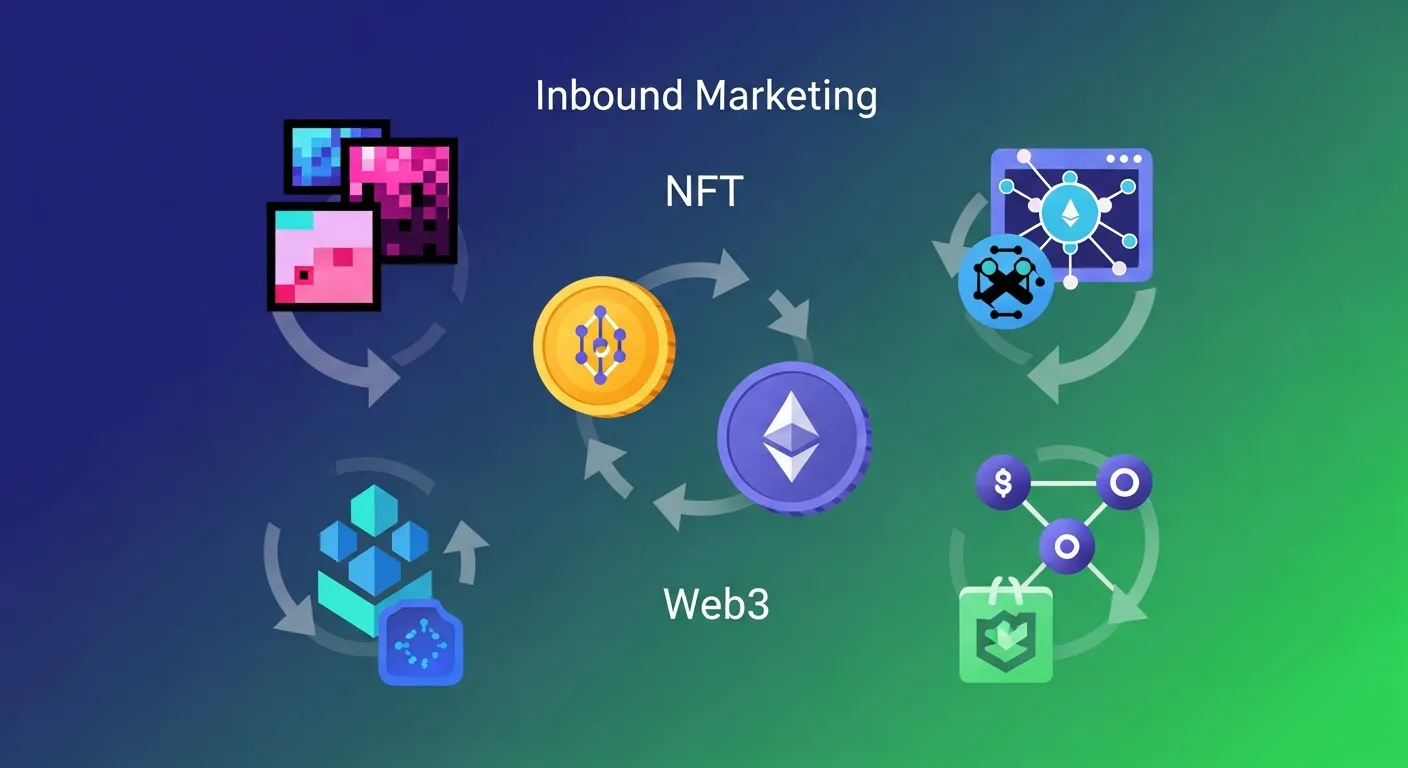
NFT and Web3 brands benefit greatly from inbound marketing packages. Educational blogs, community-focused content, email drops, Discord funnels, and SEO help projects build trust in a sceptical market. Inbound strategies nurture collectors, educate investors, and drive organic discovery—critical for long-term NFT success beyond hype cycles.
Conclusion
Inbound marketing packages provide businesses with a structured, scalable, and data-driven growth system. By combining content, SEO, automation, and analytics, companies attract the right audience, nurture leads, and convert customers sustainably. Whether you’re a startup, enterprise, or NFT brand, inbound marketing offers long-term value that compounds over time.
Frequently Asked Questions (FAQs)
1. What Is an Inbound Marketing Package?
An inbound marketing package is a bundled set of services designed to help businesses attract, engage, and convert customers organically. It typically includes strategy development, content creation, SEO, email marketing, lead nurturing, automation, analytics, and reporting. Instead of isolated tactics, inbound packages provide a holistic approach that aligns marketing efforts with business goals. These packages are managed by experts, ensuring consistency, scalability, and measurable growth over time.
2. How Is Inbound Marketing Different from Digital Marketing?
Digital marketing is a broad umbrella that includes all online marketing activities, such as paid ads, display advertising, and social promotions. Inbound marketing is a strategy within digital marketing that focuses on attracting customers naturally through valuable content and experiences. Instead of interrupting audiences, inbound marketing draws people in by solving problems and answering questions, leading to higher trust and better-quality leads.
3. Are Inbound Marketing Packages Customizable?
Yes, most inbound marketing packages are highly customizable. Agencies often tailor services based on your industry, goals, audience size, and growth stage. You can prioritize areas like SEO, content marketing, lead nurturing, or automation depending on your needs. Customization ensures that you’re not paying for unnecessary services and that the strategy aligns perfectly with your business objectives.
4. How Long Does Inbound Marketing Take to Show Results?
Inbound marketing is a long-term strategy. While early improvements such as traffic growth may appear within the first 2–3 months, meaningful lead generation and conversions typically take 3–6 months or more. The real strength of inbound lies in compounding results—content and SEO efforts continue delivering value long after they’re published.
5. What Tools Are Commonly Included in Inbound Marketing Packages?
Inbound marketing packages often include access to advanced tools such as HubSpot, Google Analytics, Search Console, SEMrush, Ahrefs, Canva, email automation platforms, CRM systems, and social scheduling tools. These tools help manage campaigns, track performance, automate workflows, and improve efficiency while providing actionable insights.
6. Is Inbound Marketing Suitable for Startups and Small Businesses?
Absolutely. Inbound marketing is especially effective for startups and small businesses with limited budgets. Instead of spending heavily on ads, inbound helps build organic visibility, authority, and trust. Many agencies offer scaled-down packages designed specifically for early-stage businesses looking to grow sustainably without overspending.
7. Can Inbound Marketing Replace Paid Advertising?
Inbound marketing can reduce dependency on paid ads, but it doesn’t always replace them entirely. While inbound delivers long-term, cost-effective growth, paid ads can complement it by driving immediate traffic or promoting high-converting offers. The best strategies often combine inbound marketing with selective paid campaigns for balanced results.
8. How Does Inbound Marketing Improve Lead Quality?
Inbound marketing targets users who are actively searching for solutions. By delivering educational and relevant content, businesses attract prospects with genuine interest. Lead scoring, nurturing workflows, and segmented messaging further ensure that sales teams receive well-qualified leads, resulting in higher conversion rates and shorter sales cycles.
9. What Industries Benefit Most from Inbound Marketing?
Inbound marketing works particularly well for SaaS companies, eCommerce brands, professional services, healthcare, education, B2B companies, and technology-driven businesses. Any industry that relies on trust, education, or long buying cycles can benefit significantly from inbound strategies.
10. Is Inbound Marketing Effective for NFT and Web3 Projects?
Yes. Web3 and NFT projects benefit greatly from inbound marketing because education and trust are critical in this space. Blogs, SEO, email campaigns, community content, and thought leadership help projects stand out beyond hype, nurture collectors, and build long-term brand credibility.
11. How Do Agencies Measure the Success of Inbound Marketing?
Agencies measure inbound success through metrics such as website traffic growth, keyword rankings, lead volume, conversion rates, cost per lead, email engagement, customer acquisition cost, and ROI. Regular reporting ensures transparency and allows strategies to be refined based on real performance data.
12. What Should I Look for When Choosing an Inbound Marketing Agency?
Look for an agency with proven inbound expertise, industry experience, transparent reporting, strong case studies, and a strategic—not tactical—approach. The right agency should act as a growth partner, aligning marketing efforts with your business goals and offering flexibility as your needs evolve.