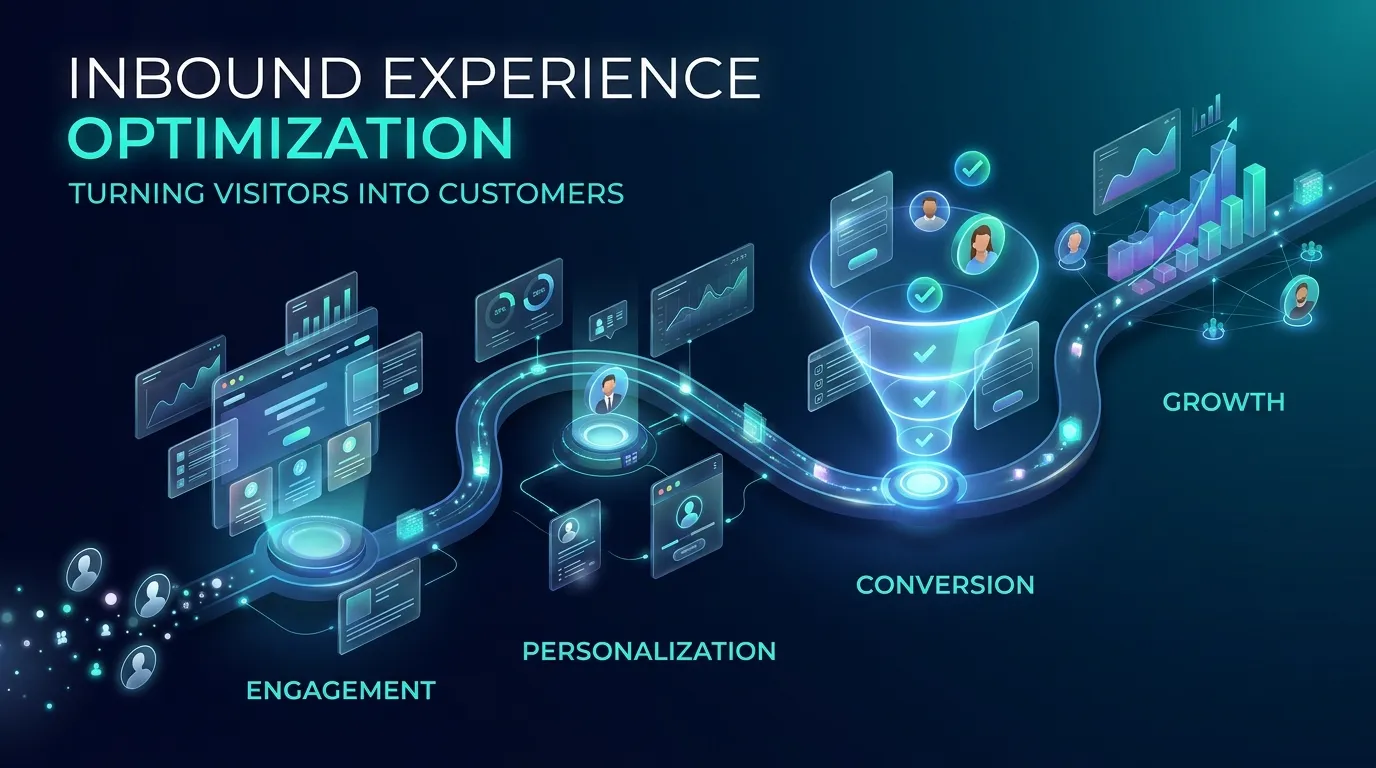
Inbound Experience Optimization improves how visitors discover, explore, and interact with a brand across digital touchpoints. By combining relevant content, clear website design, thoughtful personalization, connected customer journeys, and meaningful engagement measurement, businesses can reduce friction and create more valuable inbound marketing experiences that support trust and conversion.
A visitor arrives at a website with a question, a problem, or a specific goal. They may be looking for useful information, comparing solutions, or trying to understand whether a business can meet their needs. What happens next often determines whether they continue exploring or leave without taking action.
This moment is at the heart of Inbound Experience Optimization. It focuses on making every interaction between a potential customer and a brand useful, relevant, and easy to navigate. Instead of concentrating only on attracting traffic, businesses consider how visitors experience the content, communication, and digital touchpoints that follow their initial discovery.
A strong inbound experience does not depend on a single landing page or marketing campaign. It develops through a connected journey in which information answers real questions, navigation feels natural, and communication reflects the visitor’s interests.
As customer expectations continue to evolve, businesses that prioritize experience can build stronger relationships, improve engagement, and create more meaningful opportunities for conversion.
When Traffic Arrives but the Experience Falls Short
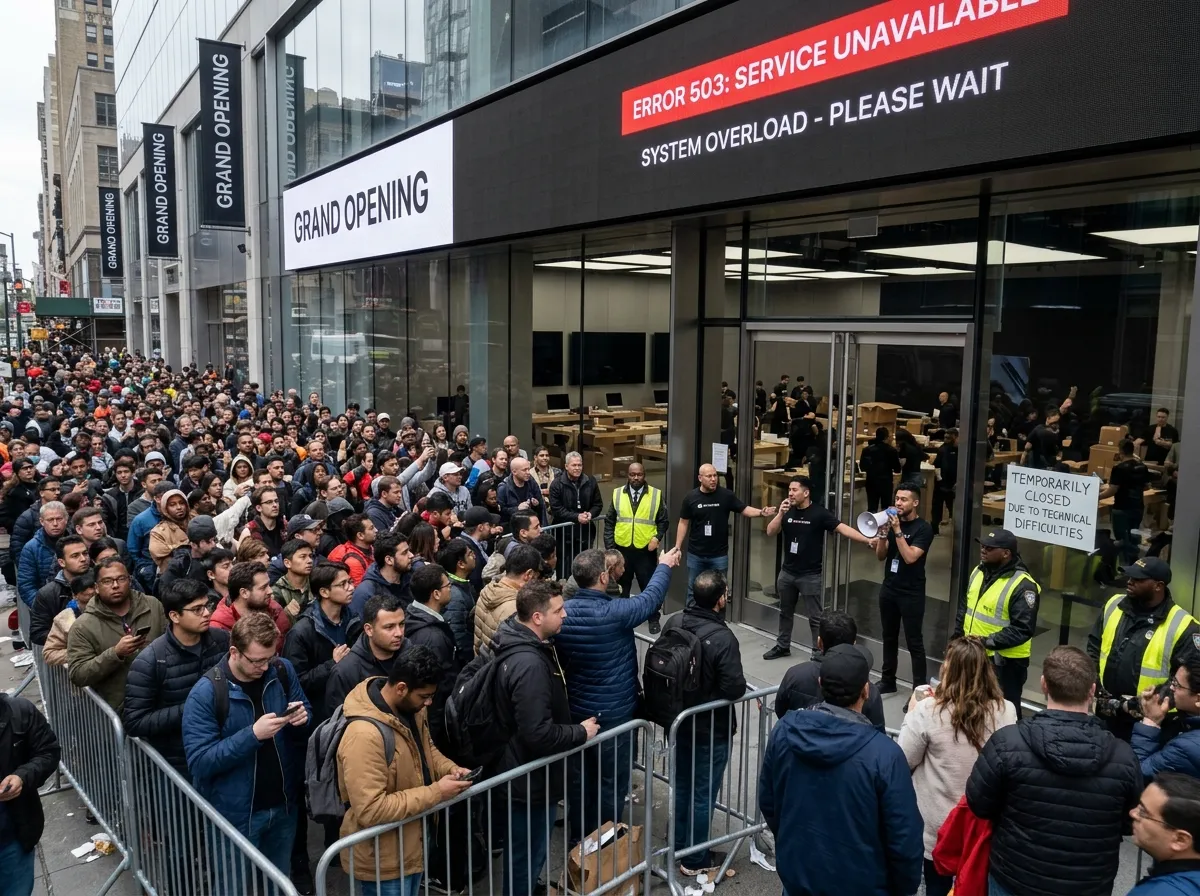
Many businesses invest considerable resources in attracting visitors through search engines, social media, email campaigns, and other marketing channels. Yet traffic alone does not guarantee meaningful results.
A website may receive thousands of visits while generating few inquiries or qualified leads. In some cases, the problem is not the quality of the traffic but the experience visitors encounter after arriving.
A page might contain useful information but present it in a confusing structure. A visitor may find the right article but struggle to locate the next relevant resource. Another person may be interested in a product but leave because the contact process feels unnecessarily complicated.
These situations reveal a gap between attracting attention and creating value.
Inbound Customer Experience Optimization addresses this gap by examining the complete interaction rather than focusing on isolated marketing metrics. It considers whether visitors can find what they need, understand the available options, and move forward without unnecessary friction.
The objective is not to persuade every visitor to convert immediately. It is to create an environment where the right people can make informed decisions at their own pace.
The Experience Begins Before the First Website Visit
Inbound marketing often starts long before someone reaches a company’s website. A potential customer may discover a brand through a search result, a social media discussion, an educational article, or a recommendation from another person.
Each of these interactions creates an expectation.
If a search result promises an explanation of a specific problem, the landing page should deliver that explanation clearly. If a social post introduces a product benefit, the destination should provide enough context to help the visitor understand it.
When the message and destination do not match, the experience becomes disappointing.
An effective Inbound Marketing Experience Strategy connects the promise made during discovery with the information provided after the click. This consistency helps visitors feel that the brand understands their needs rather than simply trying to capture their attention.
It also encourages a more natural relationship between marketing channels. Search content, email communication, social media, and website resources should support the same customer journey instead of operating as disconnected activities.
The experience becomes stronger when every touchpoint contributes something useful.
Website Visitor Experience Improvement Is About Removing Friction
A website does not need to be visually complicated to create a memorable experience. In many cases, clarity and simplicity are more valuable than elaborate design.
Website Visitor Experience Improvement begins with understanding the small obstacles that make browsing difficult.
Visitors may encounter unclear navigation, slow-loading pages, distracting pop-ups, inconsistent layouts, or content that is difficult to read on mobile devices. Even minor inconveniences can affect whether someone continues exploring.
The way information is organized also matters. A visitor should be able to recognize the main purpose of a page without searching through unrelated sections.
For example, someone reading an article about improving lead quality may naturally want to explore related topics such as qualification, data accuracy, or campaign measurement. Providing relevant links within the content can make that next step easier.
Good website experiences respect the visitor’s time. They present information in a logical order, use clear language, and make important actions easy to understand.
When a website feels helpful rather than demanding, visitors are more likely to develop confidence in the brand.
Personalization That Feels Helpful, Not Intrusive
Personalization has become an important part of digital marketing, but its effectiveness depends on how it is used.
Personalized Inbound User Experience means adapting content, communication, or recommendations to reflect a visitor’s interests and needs. It does not require businesses to personalize every element of a website.
A useful example is presenting relevant resources based on the topic someone is exploring. A visitor researching marketing automation may benefit from articles about workflow design, campaign reporting, or software integration.
Similarly, returning visitors may appreciate access to resources that build on their previous interests rather than receiving the same introductory information repeatedly.
However, personalization should remain respectful.
Visitors should not feel that a business is making uncomfortable assumptions about them or using personal information without appropriate permission. Relevant recommendations, clear preferences, and transparent communication create a more positive experience than excessive tracking or overly specific messaging.
The most effective personalization often feels natural because it helps people find information they would have searched for themselves.
Customer Journey Experience Optimization and the Value of Continuity
The customer journey rarely follows a perfectly predictable path. People may discover a business, leave to compare alternatives, return later, and explore a different set of resources before making a decision.
Customer Journey Experience Optimization focuses on making these transitions feel connected.
A visitor who reads an educational article may not be ready to request a consultation. They might first want to understand the available solutions, evaluate potential costs, or learn how a product works.
If the website immediately pushes a sales message, the experience may feel premature.
A better approach provides suitable next steps based on the visitor’s likely needs. Educational content can lead to deeper explanations, while product-focused resources can introduce comparisons, case studies, or demonstrations.
This is where content organization becomes especially valuable. Inbound Marketing Content Mapping explores how content can be aligned with different stages of the buyer journey.
When resources are connected thoughtfully, visitors can progress from general understanding to more informed consideration without feeling forced into a decision.
Continuity also matters across channels. A person who receives an email after downloading a resource should encounter communication that relates to that interest rather than an unrelated promotional message.
A connected journey helps customers understand the brand while maintaining control over their own decisions.
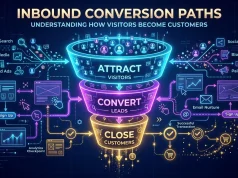
Inbound Conversion Experience: Making the Next Step Feel Natural

Conversion is often treated as the final objective of inbound marketing. However, the experience surrounding a conversion can influence whether the resulting relationship becomes valuable.
The Inbound Conversion Experience includes the moments when visitors complete actions such as subscribing to a newsletter, requesting information, downloading a resource, or contacting a sales team.
These actions should feel like logical extensions of the information already provided.
For example, a visitor who has just explored a detailed guide may be interested in receiving a related checklist or additional educational content. A person comparing solutions may prefer a consultation or product demonstration.
The offer should match the context.
Forms also influence conversion experience. Asking for too much information too early can create unnecessary resistance. Visitors are more likely to complete a form when they understand its purpose and see a clear benefit in providing their details.
A successful conversion experience balances business needs with customer expectations.
It does not simply encourage people to click. It helps them take an action that makes sense for their situation.
User Experience for Inbound Marketing: Content and Design Working Together
Content and design are often discussed as separate marketing activities, but visitors experience them as one connected environment.
User Experience for Inbound Marketing depends on how effectively content communicates within the website’s structure.
A well-written article can lose its value if the text is difficult to read, headings are unclear, or important information is buried beneath unnecessary elements. Similarly, an attractive design cannot compensate for content that fails to answer the visitor’s question.
Readability plays a significant role.
Shorter paragraphs, descriptive headings, meaningful examples, and clear explanations help visitors understand information without unnecessary effort. Visual elements can also support comprehension when they explain a concept or provide useful context.
Internal links contribute to this experience by connecting related information. Rather than requiring visitors to return to search results, relevant links allow them to explore additional resources directly from the page.
The result is a website that feels like a helpful knowledge environment instead of a collection of isolated articles.
Inbound Engagement Optimization Beyond Clicks and Page Views
Engagement is often measured through clicks, page views, time on page, or email interactions. These metrics can provide useful information, but they do not always explain whether visitors are receiving meaningful value.
Inbound Engagement Optimization considers the quality of interaction as well as its volume.
A visitor who reads a detailed resource, explores related content, and returns later may demonstrate stronger interest than someone who clicks several pages without finding useful information.
Engagement should therefore be interpreted in context.
Businesses can examine which content encourages deeper exploration, which resources support lead generation, and which interactions contribute to customer understanding.
For example, a campaign may attract a large audience but generate little engagement from the people most likely to benefit from the product. Another campaign may reach a smaller group while creating stronger relationships with relevant prospects.
This is why inbound engagement should connect with broader marketing measurement. Inbound Campaign Attribution provides a useful perspective on understanding how different marketing touchpoints contribute to outcomes.
When businesses evaluate engagement alongside attribution, they can better understand which experiences support customer progress.
A Customer-Centric Inbound Strategy Starts With Listening
A Customer-Centric Inbound Strategy places customer needs at the center of marketing decisions.
This requires more than reviewing analytics dashboards. Businesses also need to understand the questions, concerns, and expectations that influence customer behavior.
Customer feedback can reveal issues that website metrics may not explain. Visitors may find a page confusing, struggle to understand product differences, or feel uncertain about what happens after submitting a form.
Sales and support teams can provide valuable insight because they frequently hear the questions customers ask before and after making a purchase.
These observations can guide improvements to content, navigation, communication, and conversion processes.
A customer-centered approach also recognizes that different people may need different levels of information. Some visitors want a quick answer, while others prefer detailed research before making a decision.
The experience should accommodate these differences without becoming overwhelming.
When marketing decisions reflect genuine customer needs, the brand becomes more useful and trustworthy.
Inbound Experience Personalization Across Channels
The website is an important part of inbound marketing, but it is not the only place where customers interact with a brand.
Email, social media, search results, advertising, and other digital channels can influence how people perceive the business.
Inbound Experience Personalization helps maintain relevance across these interactions.
For example, a person who subscribes to educational content may appreciate receiving articles related to their selected interests. Someone who has already explored a product category may benefit from additional information rather than repeated introductory promotions.
Advertising can also support the experience when it is relevant to the visitor’s interests and the surrounding context. Programmatic Ads can help businesses reach suitable audiences through automated media buying, but the value of advertising still depends on the message, targeting, and destination experience.
Personalization should not create a disconnected journey in which every channel delivers a different message.
The strongest experiences maintain consistency while adapting communication to the customer’s needs and preferences.
Measuring Inbound Experience Optimization Through Meaningful Outcomes
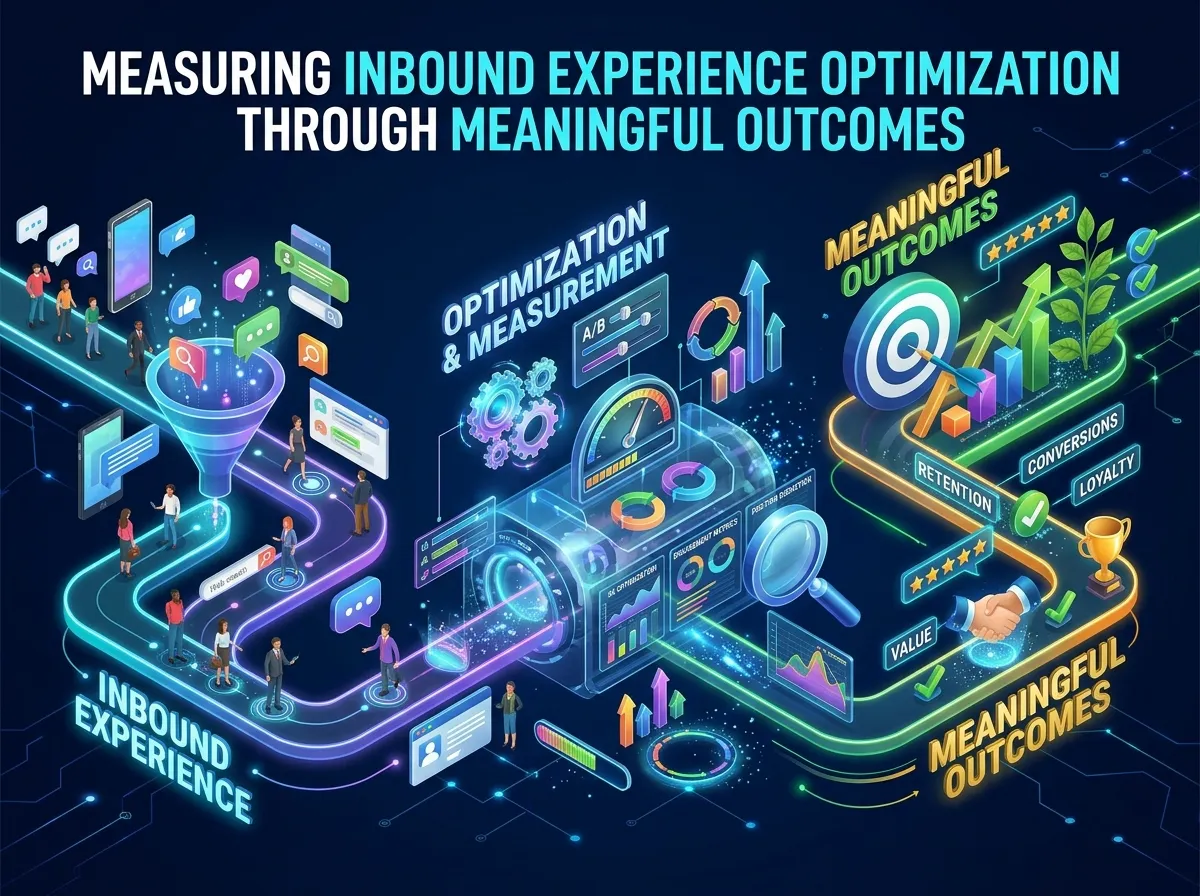
Improving inbound experience requires businesses to understand whether their changes are making a difference.
Traditional marketing metrics remain useful, but they should be interpreted alongside customer experience indicators.
For example, conversion rates can reveal whether visitors are completing desired actions. Returning visitor behavior may indicate whether people find the website valuable enough to revisit. Form abandonment can highlight unnecessary friction, while content engagement can show whether resources are helping visitors explore relevant topics.
Customer feedback and qualitative research provide another important perspective.
A page may achieve a high conversion rate while still creating confusion for some users. Similarly, a visitor may spend considerable time on a resource because it is difficult to navigate rather than because it is especially engaging.
Measurement should therefore combine behavioral data with an understanding of customer intent.
Businesses can use these insights to refine their content, simplify interactions, and improve the relationship between marketing activity and customer expectations.
Creating Inbound Experiences That Earn Trust
Inbound Experience Optimization is ultimately about making digital interactions more valuable for the people who encounter a brand.
It connects the promise of marketing with the reality of the customer experience. It ensures that useful content is easy to discover, relevant information is presented clearly, and the next step feels appropriate rather than forced.
As digital competition increases, businesses cannot rely only on attracting attention. They need to create experiences that encourage visitors to stay curious, explore confidently, and return when they need additional information.
A strong inbound experience is built through consistency, relevance, and respect for customer choices.
When businesses understand their visitors and remove unnecessary friction, inbound marketing becomes more than a traffic-generation activity. It becomes a foundation for lasting relationships, stronger engagement, and sustainable business growth.
Frequently Asked Questions
1. What is Inbound Experience Optimization?
Inbound Experience Optimization is the process of improving the interactions visitors have with a brand across its website, content, and digital marketing channels to make their journey more relevant and useful.
2. Why is inbound customer experience optimization important?
It helps businesses create smoother customer journeys, improve engagement, reduce friction, and build trust with potential customers.
3. How does an inbound marketing experience strategy work?
It connects content, website design, communication, and marketing channels around customer needs so that visitors receive relevant information at each stage of their journey.
4. What is website visitor experience improvement?
Website visitor experience improvement focuses on making a website easier to navigate, understand, and use through better content structure, performance, accessibility, and design.
5. How does personalization improve inbound user experience?
Personalization helps visitors discover relevant content, recommendations, and communication based on their interests and preferences.
6. What is customer journey experience optimization?
It improves the continuity of customer interactions across discovery, research, consideration, and conversion so that each touchpoint supports the next.
7. How can businesses improve the inbound conversion experience?
Businesses can improve conversion by providing relevant offers, simplifying forms, explaining the value of actions, and making next steps clear.
8. What does inbound engagement optimization measure?
It evaluates the quality of visitor interactions, including content exploration, returning visits, meaningful clicks, and engagement with relevant marketing resources.
9. How does a customer-centric inbound strategy support growth?
It focuses marketing decisions on customer needs, helping businesses deliver more useful information, build stronger relationships, and improve long-term trust.
10. How can businesses measure Inbound Experience Optimization?
They can measure conversion rates, content engagement, returning visitors, form completion, customer feedback, and the contribution of marketing touchpoints to business outcomes.