
Inbound Marketing Localization ensures your brand resonates with diverse global audiences by adapting content, messaging, and workflows to local markets. Proper localization boosts engagement, trust, and conversions. Companies that implement it strategically gain a lasting competitive advantage worldwide.
Inbound Marketing Localization is more than just translating your content into multiple languages—it’s about adapting your entire inbound marketing strategy to resonate with local audiences across diverse cultural, linguistic, and technical contexts. Organizations that attempt a one-size-fits-all approach often struggle with low engagement, reduced conversions, and misaligned messaging. Proper localization involves understanding local search behaviors, buyer journeys, content preferences, cultural nuances, payment methods, and technology usage. From adjusting visual elements and tone to optimizing website structure and marketing workflows, each decision impacts how effectively your brand connects with global audiences. This FAQ section answers the most common questions marketers have when expanding globally, helping you implement scalable, impactful Inbound Marketing Localization strategies.
Beyond Language: Cultural Nuances in Content

Words matter, but context matters even more when reaching global audiences. Direct translations often fail to capture the cultural nuances that can make or break your message. In Inbound Marketing Localization, understanding these subtleties is critical—what works in one market may fall flat or even offend in another. Humor, for instance, rarely translates well across cultures. A joke that resonates in the U.S. might confuse or alienate audiences in Japan or Brazil. Similarly, visual elements like colors, symbols, and imagery carry different meanings around the world, and failing to adapt these can reduce the effectiveness of your campaigns. Even seemingly universal concepts like time, space, and family can be interpreted differently, affecting how your messaging is received.
Understanding Local Search Behaviors
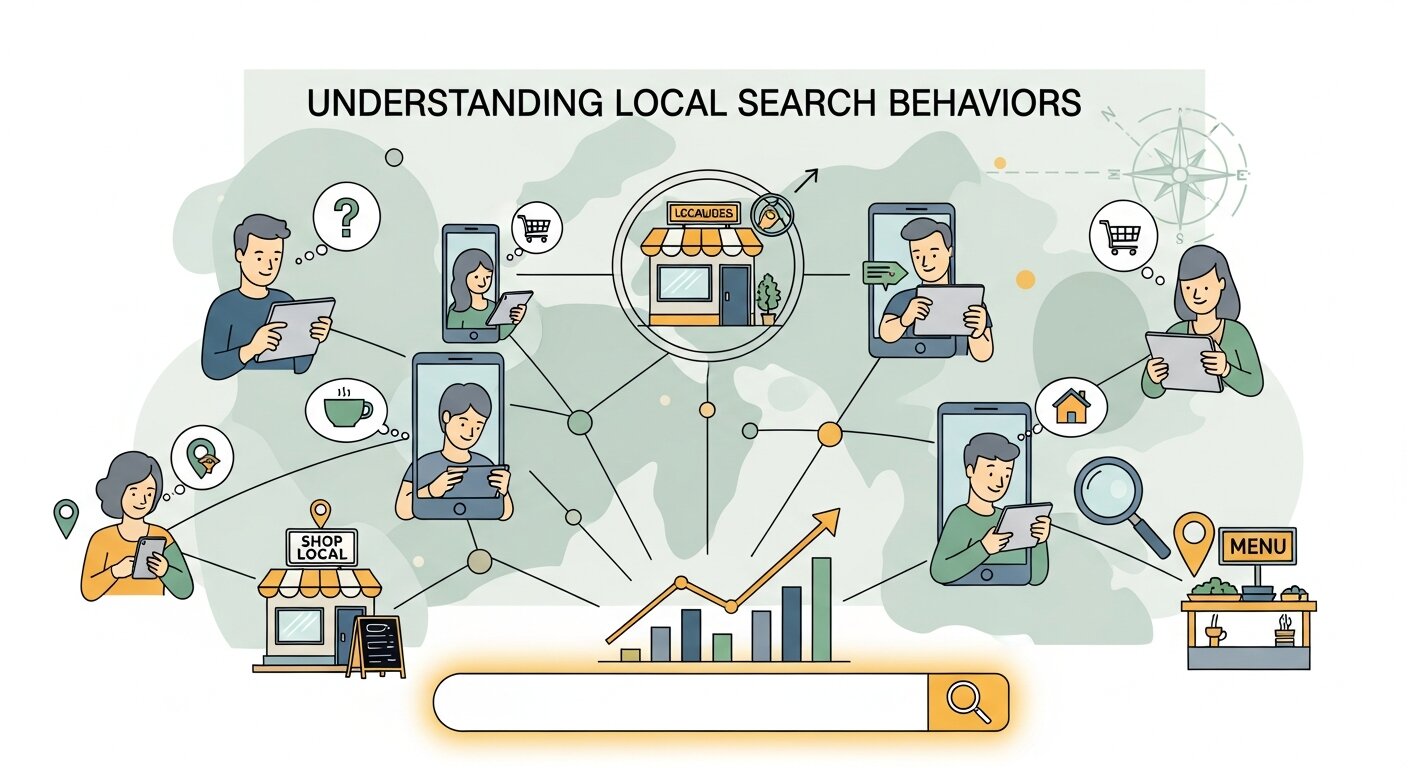
Search engines and local search behaviors vary widely across regions. While Google dominates globally, alternatives like Baidu in China, Yandex in Russia, and Naver in South Korea hold significant local market share. Effective Inbound Marketing Localization requires more than translating keywords—it demands researching how local audiences phrase their queries and the terminology they naturally use. According to Backlinko, 46% of all Google searches have local intent, and this varies by market and industry. Voice search behaviors further complicate the picture, as linguistic differences and cultural context strongly influence how people interact with search assistants in different languages. Incorporating these insights is a key component of successful Inbound Marketing Localization strategies.
Content Types and Formats Across Markets
Content preferences differ dramatically between regions. Some audiences respond best to comprehensive written guides, while others prefer visual or audio content formats study on content preferences. Social media usage also varies: platforms popular in one country may be irrelevant in another global social media statistics. Additionally, expectations around content length differ by culture—what’s considered thorough and authoritative in one market may feel overwhelming or insufficient elsewhere. At InboundMarketo.com, we’ve found that tailoring content formats to local preferences can increase engagement by up to 70% case study or report. This demonstrates the impact of thoughtful Inbound Marketing Localization when adapting content to meet the expectations of diverse audiences.
Local Buyer Journeys and Decision Processes
Purchase decisions vary across cultures. Some buyers prioritize extensive research, while others rely heavily on personal or professional recommendations buyer behavior research. B2B buying committees operate differently in different markets, with hierarchies, approval processes, and relationship-building expectations all reflecting local business culture B2B buying committee studies. In some countries, transactions move quickly; in others, building trust over time is essential. Implementing effective Inbound Marketing Localization means mapping these local buyer journeys carefully and crafting content for each stage of the decision process. Businesses that integrate these insights into their campaigns often see better conversion rates and stronger customer relationships.
Putting It All Together
Successful global campaigns are not about blanket messaging—they’re about precision. By combining insights on language, visuals, search behaviors, content formats, and buyer behavior, Inbound Marketing Localization ensures that your brand speaks clearly and compellingly in every market. From small adjustments in tone to major adaptations in strategy, every decision matters global marketing strategy tips. Companies that embrace Inbound Marketing Localization don’t just translate content—they transform it for local relevance, boosting engagement, trust, and conversions worldwide.
By consistently applying these principles, your marketing team can make Inbound Marketing Localization a core part of your international growth strategy, ensuring that every audience feels understood, respected, and connected to your brand localization best practices.
Website Architecture and Technical Considerations

Website architecture plays a critical role in achieving global inbound success. Choosing between subfolder structures (example.com/fr/) and country-specific domains (example.fr) can significantly impact search visibility, local trust, and SEO performance domain structure guide. A well-planned structure is a core component of effective Inbound Marketing Localization, as it ensures content is organized in a way that both search engines and local users can navigate easily.
Page load speed becomes even more important when targeting markets with less reliable internet infrastructure. Slow-loading pages not only reduce engagement but also hurt search rankings page speed optimization tools. Mobile optimization requirements vary as well. In many developing regions, mobile devices are the primary access point to online content mobile usage stats. Responsive design, fast mobile load times, and touch-friendly navigation are essential to achieve successful Inbound Marketing Localization outcomes in these markets.
Payment preferences also vary dramatically worldwide. While credit cards dominate in some regions, local payment methods—such as Alipay in China, iDEAL in the Netherlands, or M-Pesa in parts of Africa—often outperform global options global payment methods. Incorporating these methods is an important consideration in Inbound Marketing Localization, as it directly impacts conversion rates and customer satisfaction.
Data-Driven Localization Strategies

Effective Inbound Marketing Localization starts with rigorous market research. Gather insights about local competitors, audience behavior, preferred channels, and keyword usage market research tools. Data-driven strategies help you avoid assumptions that may not hold true across markets. Testing assumptions with pilot campaigns is crucial—small-scale experiments can provide actionable insights before committing to full-scale localization A/B testing guide.
Research supports this approach. According to Common Sense Advisory, 75% of consumers prefer to buy products in their native language, and 60% rarely or never purchase from English-only websites study. These statistics highlight why Inbound Marketing Localization is not optional—it is essential for global revenue growth. Continuously monitoring performance metrics across markets is equally critical. What drives engagement and conversions in one region may fail in another, sometimes for subtle cultural, linguistic, or behavioral reasons. Adapting quickly based on these insights ensures long-term success.
Building Local Teams and Partnerships
Local expertise is indispensable for global inbound strategies. Deciding whether to hire in-market teams or partner with local agencies and consultants is a key decision in Inbound Marketing Localization agency selection tips. Cultural consultants provide valuable guidance on local sensitivities, messaging nuances, and untapped opportunities cultural consultancy services.
Local influencers and thought leaders often have far more credibility than global celebrities in specific markets influencer marketing stats. Their recommendations can create authentic connections with audiences, a tactic that has been repeatedly proven effective in Inbound Marketing Localization campaigns. Networking patterns also vary by region; understanding how professionals share knowledge and interact within local industry networks helps you build distribution channels that resonate professional networking insights.
Localization Case Study: Success and Failure
A global software company once attempted a campaign in Japan using directly translated content from their U.S. operations. The distinctions between formal and informal language were not properly addressed, cultural context was ignored, and the campaign failed dramatically.
After bringing in local experts and rebuilding the strategy, the company developed Japan-specific content that reflected local buyer behavior, cultural expectations, and business communication norms. Conversion rates increased by 340%, demonstrating the power of thoughtful Inbound Marketing Localization. The difference wasn’t just linguistic—it was understanding the decision-making process, evaluation criteria, and purchasing habits unique to Japanese organizations.
This example underscores why companies investing in Inbound Marketing Localization see higher engagement, stronger trust, and better ROI. It also highlights that success in global markets requires more than translation—it requires a holistic, data-driven approach that considers technical architecture, content, user experience, and cultural insight.
Balancing Global Consistency with Local Relevance
Maintaining a consistent brand identity while adapting to local markets is one of the most challenging aspects of global marketing. Core brand values should remain consistent worldwide, but the way they are expressed often requires careful adaptation. For example, imagery, tone, and messaging (link to guide on brand messaging) may need subtle shifts to resonate with local audiences without diluting the global brand. This balance is at the heart of effective Inbound Marketing Localization localization overview, ensuring that your brand feels authentic and relevant in each market while remaining recognizable across regions.
Visual identity elements—logos, color schemes, typography, and design patterns design adaptation tips—often need minor adjustments to align with local cultural preferences. Colors, for example, can carry dramatically different meanings across cultures, and failing to account for these nuances can unintentionally affect perception cultural color guide). Editorial guidelines editorial guideline examples should similarly include flexibility for cultural adaptations while maintaining the overarching brand voice. In addition, marketing automation workflows marketing automation best practices may need to be redesigned for different regions, taking into account communication preferences, optimal timing, and platform usage. Thoughtful execution in these areas is a key component of successful Inbound Marketing Localization localization strategy.
Starting Your Localization Journey
The first step in Inbound Marketing Localization audience research guide is in-depth audience research for each target market. Understanding local pain points, search behaviors, content preferences, and preferred channels is critical for creating relevant and engaging campaigns market research tools. Markets should be prioritized based on potential return and complexity, as some regions may offer quicker wins with minimal localization effort while others demand deeper cultural adaptation.
Creating templates and processes localization workflow templates that streamline localization while allowing for market-specific customization ensures efficiency without sacrificing relevance. This approach is central to scalable Inbound Marketing Localization scalable localization guide, enabling teams to manage multiple markets while preserving quality and local resonance. Building measurement frameworks marketing KPIs tailored to each region is also crucial. Performance metrics that matter in one market—such as engagement rate or lead quality—may differ in another. Tracking these metrics helps refine strategies and maximize the impact of Inbound Marketing Localization efforts over time.
Maximizing Impact Through Cultural Insight
Effective Inbound Marketing Localization cultural insight studies goes far beyond direct translation. It requires a nuanced understanding of cultural norms, purchasing behaviors, decision-making processes, and market expectations cultural marketing research. By leveraging these insights, organizations can craft content and campaigns that truly connect with local audiences. This approach reduces the risk of miscommunication, avoids costly mistakes, and enhances brand credibility global marketing case studies.
Local adaptation also extends to technology and workflow considerations. Marketing automation, content delivery systems, and customer support platforms global tech adaptation guide should accommodate local preferences in language, timing, and interaction style. Companies that invest in these adjustments demonstrate respect for their audience, strengthening relationships and building long-term customer loyalty research.
Conclusion: Why Inbound Marketing Localization Matters
Organizations that embrace Inbound Marketing Localization effectively create stronger, more meaningful connections with global audiences. Beyond translation, it enables brands to engage authentically, increase conversions, and enhance customer satisfaction. The effort required to implement comprehensive localization pays off through improved engagement, higher conversion rates, and stronger customer relationships worldwide.
As markets become increasingly interconnected, the ability to adapt your inbound marketing strategy to the nuances of different regions is no longer optional—it is essential for sustainable growth. By embedding Inbound Marketing Localization into your processes and culture, your organization positions itself to thrive across multiple markets while maintaining a consistent, recognizable global brand.
With careful planning, data-driven insights, and culturally informed execution, Inbound Marketing Localization becomes not just a tactic, but a strategic advantage that drives long-term business success and global relevance.
Frequently Asked Questions
What is Inbound Marketing Localization?
Inbound Marketing Localization is the process of adapting your inbound marketing strategy—including content, campaigns, workflows, and technology—to meet the unique cultural, linguistic, and behavioral needs of each target market.
How is localization different from translation?
Translation only converts text from one language to another, while localization ensures that messaging, visuals, tone, and functionality align with local cultural norms, search behavior, and audience expectations.
Why is Inbound Marketing Localization important for global growth?
Localized inbound campaigns improve engagement, trust, and conversion rates. According to research, 75% of consumers prefer buying in their native language, and 60% rarely purchase from English-only websites.
How do I start a localization strategy?
Begin with market research to understand local pain points, search trends, content preferences, and competitor behavior. Then, prioritize markets, develop adaptable templates, and test campaigns at a small scale.
Should I use country-specific domains or subfolders?
Both options have pros and cons. Subfolders (example.com/fr/) help consolidate domain authority, while country-specific domains (example.fr) can boost local trust and search engine visibility. The choice should align with your SEO and brand strategy goals.
How do local search behaviors affect localization?
Keywords, search intent, and voice search queries vary by region. Effective localization requires researching local terminology and tailoring content to match how audiences naturally search for solutions.
What role do cultural nuances play in marketing localization?
Cultural norms affect humor, visuals, tone, content length, and even purchasing behavior. Ignoring them can lead to miscommunication, offense, or disengagement, which is why understanding these subtleties is key to effective Inbound Marketing Localization.
How should content formats vary across markets?
Some markets prefer long-form written content, others favor visuals, videos, or podcasts. Social media usage also differs, so platforms and formats should align with local preferences to maximize engagement.
How do I measure the effectiveness of localized campaigns?
Track engagement, conversion rates, lead quality, and customer behavior per region. Metrics may differ by market, so compare against local benchmarks and continuously refine strategies.
Can local teams or influencers improve localization efforts?
Absolutely. Local teams, consultants, and influencers provide cultural insights, authentic messaging, and trust-building opportunities that global teams may overlook. They are often critical to successful Inbound Marketing Localization.