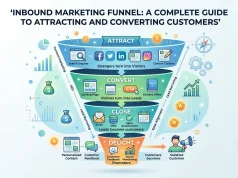
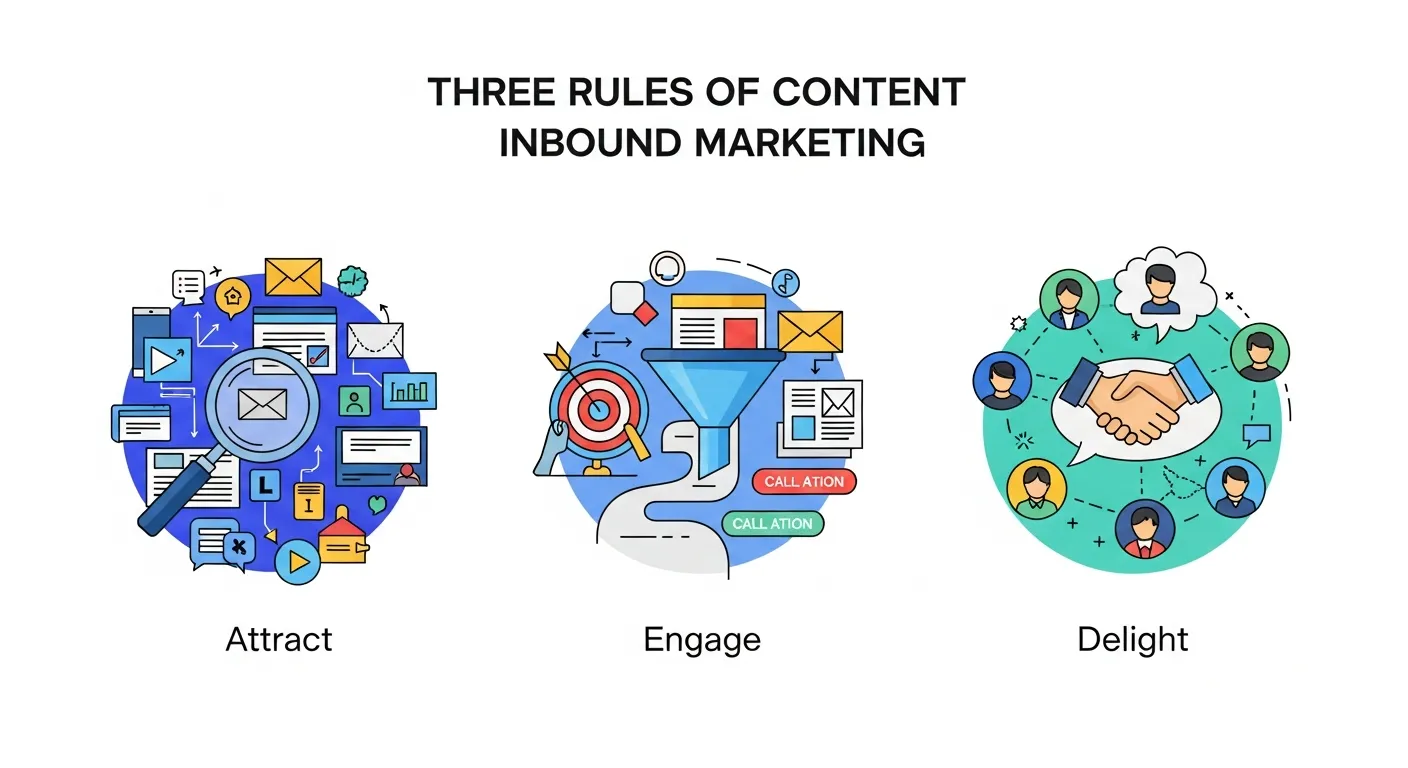
Content inbound marketing drives sustainable growth by attracting audiences through value-driven, audience-focused content. By understanding your audience, prioritizing helpful content over promotion, and maintaining consistent engagement, brands build trust, loyalty, and long-term conversions organically.
Inbound marketing has become a non-negotiable strategy for businesses that want to attract their audience genuinely and drive long-term growth. At its core lies content inbound marketing, a methodology that provides useful, relevant, and engaging content to lure prospects to your brand organically. However, more than generic content is needed to see results. Success in this arena boils down to a clear understanding of inbound principles and the disciplined application of its golden rules.
Understanding Content Inbound Marketing
Content inbound marketing focuses on attracting customers by aligning content with their needs at every stage of the buyer’s journey. Instead of interrupting audiences, it invites them in through blogs, videos, guides, and social content that answers questions and solves problems. This approach builds trust before a sale ever happens. Over time, brands become trusted resources rather than advertisers. Successful inbound marketing combines SEO, content strategy, and audience psychology to create a seamless experience that converts visitors into loyal customers naturally. Learn more about Select Inbound Marketing Explained: How to Attract, Convert & Delight Customers Inbound Marketing Explained.
Why Inbound Marketing Outperforms Traditional Marketing
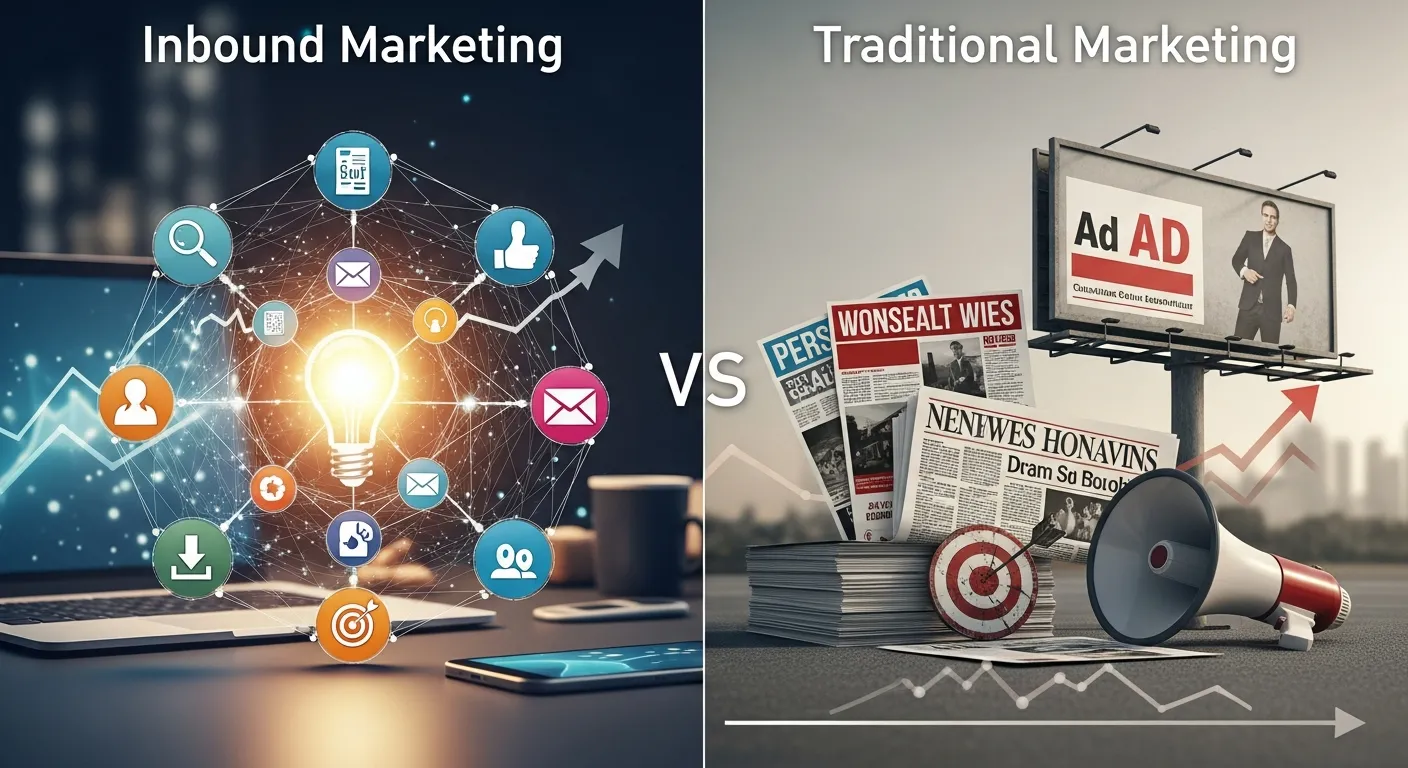 Inbound marketing delivers higher ROI because it targets users already searching for solutions. Unlike ads that disappear once budgets end, inbound content continues driving traffic over time. It nurtures relationships, shortens sales cycles, and builds authority. Customers feel empowered rather than pressured, leading to stronger brand loyalty. Businesses using inbound strategies often experience lower cost per lead and higher engagement rates compared to outbound campaigns.
Rule 1: Identify and Prioritize Your Audience
When it comes to successful inbound marketing, understanding your audience is everything. Without a clear grasp of your audience’s pain points, motivations, and behaviors, your strategy will always miss the mark. This first rule ensures that every piece of content speaks directly to the right people at the right time. But how do you get to this level of clarity? Learn more about
Create Buyer Personas
Buyer personas are semi-fictional representations of your ideal customers based on research. To craft effective personas, you’ll need to dig into the following details:
- Demographics: (age, gender, income, profession, etc.)
- Goals (What are they trying to achieve?)
- Pain Points: (What challenges or frustrations are they experiencing?)
- Content Preferences: (Do they prefer blog posts, tutorials, or videos?)
- Where They Spend Time Online: For instance, if your audience consists of young professionals interested in career growth, your content would need to focus on productivity hacks, advancements in their respective fields, or leadership skills.
Personalize Your Content
Once you have buyer personas in place, you should tailor your content to resonate with their needs. For example:
- Use a conversational tone if you’re targeting Gen Z.
- Offer in-depth white papers and research-heavy blogs for C-suite executives.
- Share quick, actionable tips on Instagram if you’re reaching time-strapped young entrepreneurs.
The more specific you are about your audience’s identity, the easier it is to craft content they’ll find valuable. Ultimately, relevance breeds trust and loyalty.
Building Effective Buyer Personas
Buyer personas are research-based profiles representing ideal customers. They include demographic data, motivations, pain points, content preferences, and online behavior. Personas help marketers anticipate questions, objections, and interests. With accurate personas, content becomes targeted instead of broad, improving relevance and conversions. Strong personas guide topic selection, tone, format, and distribution channels across your inbound strategy.
Rule 2: Deliver Value Over Promotion
 Traditional marketing often emphasizes selling, but inbound marketing flips this narrative. People aren’t looking for sales pitches; they’re looking for solutions, answers, and inspiration. This fundamental rule is about being helpful first and selling second.
Why Value Matters
Did you know that 77% of consumers feel more connected to companies that prioritize providing value over simply marketing themselves? By delivering educational or entertaining content, brands can nurture relationships and establish lifelong trust.
Types of Content That Deliver Value
- Educational Content: Teach your audience something new. Whether it’s an eBook on effective time management or a tutorial on using social media tools, educational value builds credibility.
- Practical Tools: Templates, guides, and checklists are not just helpful; they also reinforce your role as a problem-solver for your audience. For example, a budgeting app could offer free downloadable financial trackers.
- Storytelling: Nothing connects quite like storytelling. Share case studies, user testimonials, or behind-the-scenes stories that humanize your brand.
Avoid the Hard Sell
Instead of aggressively pitching your product or service, position yourself as an ally. For example, instead of saying, “Buy our skincare products!” lead with something like, “Discover how to build a skincare routine that glows!” Provide tips and practical knowledge before segueing into how your products fit into the solution.
Deliver Value Over Promotion
Inbound marketing succeeds when brands educate before selling. Audiences seek answers, not advertisements. High-value content positions your brand as a problem-solver rather than a salesperson. Educational, inspirational, and practical content builds authority and nurtures long-term trust. Promotion becomes effective only after value has been established.
High-Value Content Formats That Work
Successful inbound strategies use diverse content formats such as blogs, eBooks, tutorials, checklists, case studies, and videos. Educational guides build expertise, tools provide immediate help, and storytelling creates emotional connections. Mixing formats keeps content engaging while serving different learning preferences. High-value formats encourage sharing and repeat visits.
Avoiding the Hard Sell Trap
Aggressive selling often creates resistance and damages long-term trust with audiences. In contrast, inbound marketing works best when it gently guides potential customers toward solutions rather than pushing them into a purchase. The core principle is value first—content should be built primarily around education, insight, and problem-solving, allowing the audience to recognize their needs organically.
A widely used guideline is the 90/10 rule: approximately 90% of your content should focus on helping, informing, and empowering users, while only 10% should be promotional. This approach positions your brand as a trusted advisor rather than a salesperson.
Soft calls-to-action, such as offering additional resources, inviting readers to learn more, or suggesting practical next steps, feel natural and supportive. When messaging is solution-oriented and customer-focused, users engage willingly, resulting in higher-quality leads, stronger relationships, and increased conversions—without creating pressure or resistance.
Pro Tip: Content should focus on the audience’s needs in 90% of cases. Save the remaining 10% for promotions and CTAs.
Rule 3: Engage Consistently and Authentically
One viral post won’t sustain success in inbound marketing. Consistency and authenticity are your strongest allies, especially when building relationships with an audience who can easily see through insincerity.
Why Consistency Matters
Imagine visiting your favorite blog or YouTube channel only to find it hasn’t been updated in months. Chances are you’d leave for good. Consistency not only keeps your audience engaged but also boosts your visibility on search engines. Google loves fresh content. Case in point, businesses that blog consistently receive 55% more website visitors than those that don’t.
Engage Consistently and Authentically
Consistency builds familiarity and reliability. Publishing regularly keeps audiences engaged and improves SEO performance. Authenticity ensures messaging feels human and relatable. Together, they create long-term audience relationships. Brands that show personality, transparency, and responsiveness stand out in crowded digital spaces.
Scaling Inbound Marketing for Long-Term Success
As your inbound strategy matures, scalability becomes key. Repurposing content across platforms, automating distribution, and analyzing performance metrics allow growth without burnout. Continuous optimization ensures relevance as audience needs evolve. Sustainable inbound marketing is a long-term asset that compounds over time.
Tips for Consistent Content Creation
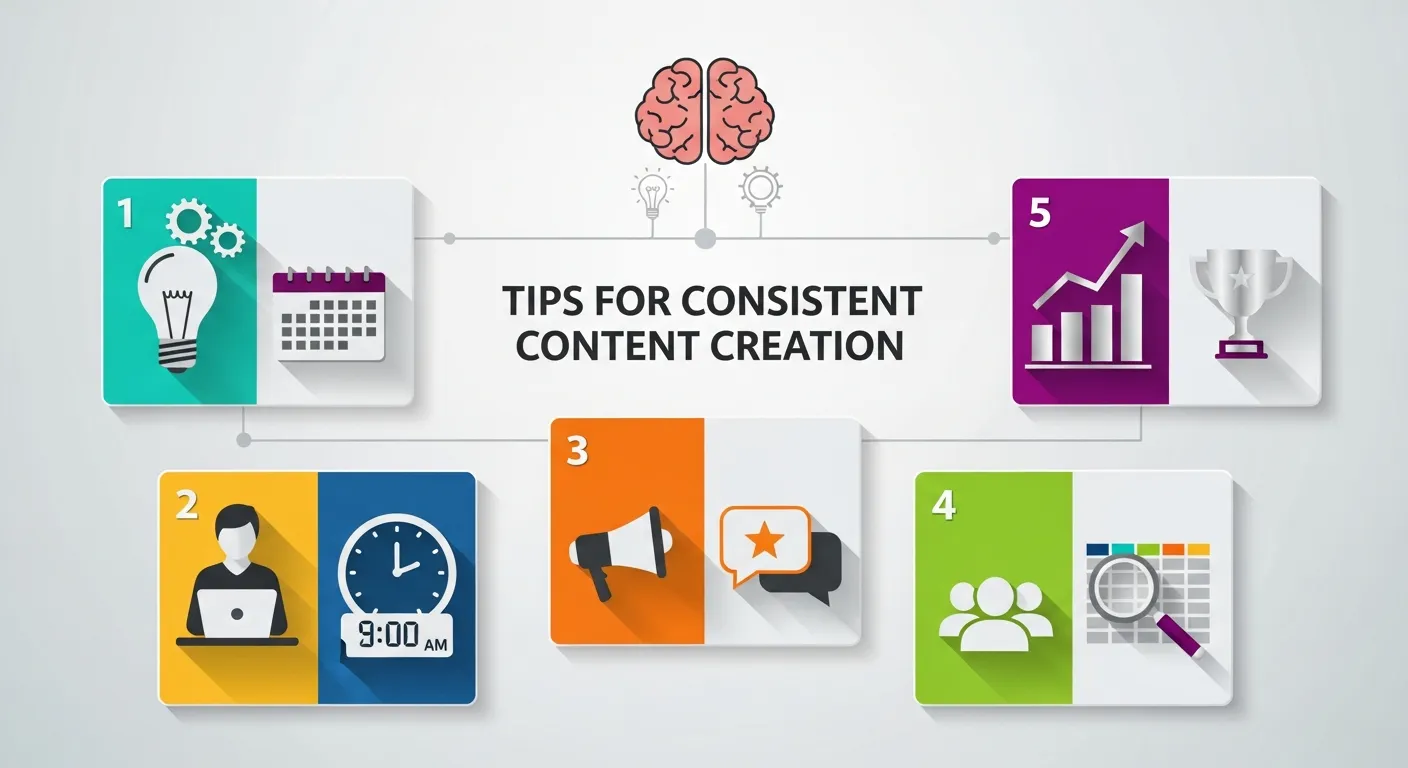
- Develop an Editorial Calendar: Plan content topics for weeks or even months in advance. This ensures your audience regularly gets new, relevant resources.
- Repurpose Your Content: One blog post can transform into multiple content formats–think infographics, podcasts, and newsletters. Repurposing reduces the workload while keeping platforms fresh.
The Role of Authenticity
Authenticity in inbound marketing means being real, transparent, and audience-focused. Here’s how to make it central to your content:
- Keep It Conversational: Write like you’re speaking directly to your readers. Skip the jargon and overcomplicated language.
- Show Vulnerability: Share lessons learned from failures or challenges your company has faced. Human stories resonate more than a perfected façade.
- Engage with Your Audience: Respond to comments on blog posts or social media. Take their feedback seriously and incorporate it into your content to show you’re listening.
When you engage consistently and deliver authentic experiences, your audience perceives you as dependable and relatable.
Putting It All Together
The beauty of inbound marketing is that it allows brands to connect with their audience on a deeper, more meaningful level. When executed properly, the payoff is worth far more than leads and conversions; it’s about lifelong relationships that foster loyalty and trust.
By prioritizing your audience, delivering exceptional value, and providing consistent, authentic engagement, you’ll set your inbound marketing strategy up for success.
Are you ready to take your content marketing to the next level? Start applying these rules today and watch the difference they make in your marketing efforts.
Conclusion
Content inbound marketing isn’t about quick wins—it’s about building trust, authority, and lasting relationships. By prioritizing your audience, delivering real value, and showing up consistently with authenticity, you create a strategy that attracts, engages, and converts naturally. Apply these golden rules to future-proof your marketing and drive sustainable growth.
Frequently Asked Questions About Content Inbound Marketing
1. What is content inbound marketing?
Content inbound marketing is a strategy that attracts potential customers by creating and sharing valuable, relevant, and helpful content. Instead of pushing ads, it draws people in organically through blogs, videos, guides, and other educational resources that solve real problems and answer user questions.
2. Why is inbound marketing so effective?
Inbound marketing works because it builds trust before selling. By educating and helping audiences first, brands reduce customer acquisition costs, improve lead quality, and achieve long-term ROI. It aligns with how modern consumers research before buying.
3. How is inbound marketing different from outbound marketing?
Inbound marketing attracts audiences naturally through content and SEO, while outbound marketing interrupts users with ads, cold calls, or promotions. Inbound feels helpful and permission-based, whereas outbound often feels intrusive.
4. Is inbound marketing better than paid advertising
Inbound and paid advertising serve different purposes. Inbound delivers sustainable, long-term growth, while paid ads provide quick visibility. When combined strategically, they create a balanced marketing ecosystem.
5. What types of content work best for inbound marketing
High-performing inbound content includes blog posts, how-to guides, videos, case studies, whitepapers, webinars, and educational social content. Content that solves problems and answers questions performs best.
6. How important are buyer personas in inbound marketing?
Buyer personas are essential. They ensure your content speaks directly to your ideal audience’s goals, pain points, and preferences, making your inbound strategy more relevant and effective.
7. How often should I publish inbound content?
Consistency matters more than volume. Publishing high-quality content once or twice a week is a strong starting point. A consistent schedule builds trust and improves SEO performance over time.
8. Is SEO part of content inbound marketing?
Yes. SEO is a core pillar of inbound marketing. It helps your content get discovered organically through search engines, driving long-term traffic and visibility without ongoing ad spend.
9. How long does inbound marketing take to show results
Inbound marketing is a long-term strategy. Most businesses begin seeing meaningful results within 3–6 months, with stronger compounding growth over time as content authority builds.
10. What metrics measure inbound marketing success?
Key metrics include website traffic, engagement rates, lead generation, conversion rates, customer retention, and ROI. These insights help optimize and scale your strategy.
11. Can small businesses benefit from inbound marketing
Absolutely. Inbound marketing is cost-effective, scalable, and ideal for small businesses with limited budgets. Quality content can outperform expensive ad campaigns over time.
12. How does inbound marketing support sales teams
Inbound marketing educates prospects before they reach sales, making leads more informed and sales-ready. This shortens sales cycles and improves close rates.
13. Is inbound marketing a long-term strategy?
Yes. Inbound marketing compounds in value. Content created today can generate traffic, leads, and conversions for years, making it one of the most sustainable marketing strategies available.