
In the ever-evolving landscape of digital marketing, inbound strategies that attract, engage, and delight prospects remain crucial. Today, artificial intelligence—and in particular OpenAI’s ChatGPT—offers powerful new capabilities to streamline content creation, personalize customer interactions, and drive conversions. In this comprehensive guide, we’ll explore how savvy marketers can integrate ChatGPT into every stage of the inbound marketing funnel to achieve measurable results.
Why ChatGPT Matters for Inbound Marketing
ChatGPT is a conversational AI model trained on vast amounts of text data. Unlike traditional chatbots, it can generate human-like prose, brainstorm creative ideas, and answer complex questions in real time. For inbound marketers, this means:
- Powerful Content Generation: From blog posts and e-books to social media captions, ChatGPT can draft outlines, suggest headlines, and produce publishable copy at scale.
- Enhanced Engagement: Deploy ChatGPT as a conversational assistant on your website or messaging channels to answer visitor queries, recommend resources, and guide prospects to the next step.
- Personalization at Scale: Use AI to analyze visitor inputs and tailor content or offers dynamically, creating a one-to-one experience without manual effort.
Mapping ChatGPT to the Inbound Funnel
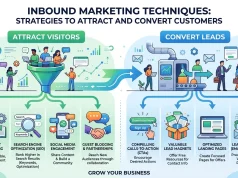
Effective inbound marketing follows three stages: Attract, Engage, and Delight. Let’s examine how ChatGPT can amplify each phase.
1. Attract: Fueling Your Content Engine
High-quality, SEO-optimized content is the cornerstone of attracting organic traffic. ChatGPT can help by:
- Keyword Brainstorming: Input target themes or seed keywords, and have ChatGPT generate long-tail variations, question-style queries, and topic clusters.
- Outline Creation: Provide a content brief, and let the AI propose structured outlines with headings, subheadings, and key bullet points.
- Drafting & Editing: Generate first drafts quickly, then refine tone, style, and length. ChatGPT can also rephrase sentences, check grammar, and adapt copy for different personas.
2. Engage: Conversational Touchpoints
Once visitors land on your site, guiding them through tailored experiences boosts time on page, form completions, and lead quality.
- Website Chatbots: Integrate ChatGPT–powered chat widgets that answer FAQs, share relevant articles, and collect contact information when appropriate.
- Email Outreach: Draft personalized email sequences based on user behavior or lifecycle stage. ChatGPT can craft subject lines, preview text, and body content optimized for opens and clicks.
- Interactive Content: Employ AI to generate quizzes, calculators, or interactive assessments that adapt questions and insights on the fly, enhancing engagement metrics.
3. Delight: Scaling Customer Success
Delighting your customers ensures retention and turns buyers into brand advocates. AI can support ongoing satisfaction through:
- Automated Support: Deploy ChatGPT in your help center to field common questions, offer troubleshooting steps, and free up human agents for complex issues.
- Content Recommendations: Analyze customer profiles and behaviors to suggest blog posts, tutorials, or advanced guides that resonate with their needs.
- Feedback Collection: Conduct conversational surveys to gather qualitative feedback, then summarize insights to inform product or marketing improvements.
Best Practices for Implementing ChatGPT

To maximize ROI and maintain brand integrity, follow these guidelines:
- Define Clear Use Cases: Start with one or two focused applications—like blog ideation or a basic FAQ bot—then expand as you measure results.
- Human-in-the-Loop: Always review AI-generated content for accuracy, brand voice, and compliance before publishing or deploying.
- Monitor Performance: Track metrics such as time saved on content creation, chatbot engagement rates, and lead quality improvements.
- Data Privacy & Ethics: Ensure your implementation complies with GDPR, CCPA, and industry standards. Be transparent about AI usage.
Measuring Success: Key Metrics
To evaluate the impact of ChatGPT integrations on your inbound marketing, track:
- Content Throughput: Number of blog posts, social updates, or email drafts produced per month.
- Engagement Rates: Chatbot sessions, average session duration, and click-through rates on AI-drafted emails.
- Lead Quality: Conversion rate from inbound inquiries routed through AI touchpoints.
- Customer Satisfaction: Support resolution times, CSAT scores, and churn rates for AI-assisted service.
AI-Powered Audience Segmentation with ChatGPT
ChatGPT can help marketers break down large audiences into highly specific segments based on behavior, demographics, and intent signals. By analyzing customer inputs, queries, and engagement patterns, it suggests micro-segments that allow more targeted inbound campaigns. This improves messaging relevance and increases conversion rates. Instead of broad marketing, brands can deliver highly personalized content for each segment. This also helps reduce wasted ad spend and improves ROI across inbound funnels. When combined with CRM data, ChatGPT enhances segmentation accuracy and helps marketers understand what each audience group truly values in their journey.
ChatGPT for Landing Page Conversion Optimization
Landing pages play a critical role in inbound marketing, and ChatGPT can significantly improve their performance. It can generate high-converting headlines, persuasive CTAs, and structured page copy tailored to user intent. It also helps identify weak points in messaging that may cause drop-offs. By testing multiple variations of content, marketers can improve clarity and reduce friction. ChatGPT can also simulate user objections and suggest responses within the page copy. This leads to better engagement, higher trust, and improved conversion rates, especially for SaaS, eCommerce, and service-based businesses.
AI-Enhanced Lead Nurturing Sequences
Lead nurturing becomes more effective when ChatGPT is used to create behaviour-based messaging sequences. Instead of generic emails, AI can design personalized workflows that respond to user actions like downloads, clicks, or visits. This helps guide prospects through the funnel more naturally. ChatGPT can generate multiple follow-up messages that address objections, provide value, and push leads closer to conversion. It ensures consistency across touchpoints while maintaining a human-like tone. This results in stronger relationships, improved trust, and higher long-term customer lifetime value for businesses.
ChatGPT for Content Gap Analysis
Identifying missing content opportunities is essential for inbound success. ChatGPT can analyze existing topics and suggest areas where competitors are outperforming or where audience needs are unmet. It helps marketers discover untapped keywords, questions, and pain points that can be turned into high-performing blog posts or resources. This strategic approach ensures content remains competitive and aligned with search intent. By continuously filling content gaps, brands can dominate niche topics and strengthen their organic visibility over time, leading to more consistent inbound traffic.
Improving User Experience with AI Chatflows
ChatGPT-powered chatflows enhance website user experience by guiding visitors through personalized journeys. Instead of static FAQs, users receive dynamic, conversational responses tailored to their needs. This reduces confusion and helps visitors find solutions faster. It also improves time on site and lowers bounce rates. ChatGPT can direct users to relevant blogs, product pages, or support resources instantly. These intelligent chatflows act like virtual assistants, making websites more interactive, helpful, and conversion-focused without requiring additional human support resources.
ChatGPT for Competitor Content Analysis
ChatGPT can analyze competitor content strategies by summarizing their strengths, weaknesses, and keyword focus areas. It helps marketers understand what type of content is ranking and why. Based on this analysis, ChatGPT can suggest improved content angles, better headlines, and stronger positioning strategies. This allows brands to create content that is more valuable and differentiated. Instead of copying competitors, businesses can strategically outperform them by targeting underserved topics and improving content depth, structure, and engagement.
AI-Powered Ad Copy Optimization
Paid advertising becomes more efficient when ChatGPT is used to generate and refine ad copy variations. It can create multiple headline and description options tailored to different audience emotions and intents. Marketers can test these variations to find the highest-performing messages. ChatGPT also helps refine tone, clarity, and emotional triggers in ads, improving click-through rates. This reduces guesswork in ad creation and allows faster optimization cycles. As a result, businesses can achieve better ROI from paid campaigns while maintaining consistent messaging across platforms.
ChatGPT for Customer Onboarding Automation
Customer onboarding is a crucial phase in the inbound funnel, and ChatGPT can streamline it significantly. It can create step-by-step onboarding guides, interactive walkthroughs, and personalized welcome messages. This ensures new users quickly understand product value and reduce early churn. ChatGPT can also answer onboarding questions in real time, improving user confidence. By simplifying the learning process, businesses improve activation rates and long-term engagement. Automated onboarding also reduces support workload while enhancing customer satisfaction.
Building Authority with AI Content Strategy
ChatGPT helps brands establish authority by creating deep, high-quality content clusters around core topics. These clusters improve topical relevance and search engine trust. By consistently publishing expert-level content, businesses position themselves as industry leaders. ChatGPT can assist in generating thought leadership articles, case studies, and in-depth guides. Over time, this builds credibility and strengthens inbound lead quality. Authority-driven content also attracts backlinks, increasing organic reach and long-term SEO performance.
Real-Time Marketing Insights with ChatGPT

ChatGPT can process marketing data insights and convert them into actionable recommendations. Instead of manually analyzing reports, marketers can use AI to summarize performance trends, engagement drops, or conversion improvements. This allows faster decision-making and more agile campaign adjustments. ChatGPT can also suggest next steps based on data patterns, helping teams optimize strategies in real time. This makes inbound marketing more responsive, efficient, and data-driven, improving overall campaign performance and ROI.
Conclusion
Integrating ChatGPT into your inbound marketing arsenal unlocks new efficiencies, enhances personalization, and frees your team to focus on high-value strategy. By thoughtfully deploying AI for content creation, conversational engagement, and customer success, you’ll attract qualified leads, foster lasting relationships, and drive sustainable growth. Start small, iterate, and measure performance—and you’ll soon see why ChatGPT is becoming indispensable for modern inbound marketers.